
What You Need to Know About Cannabis on the Haverstraw Ferry
Commuting the Hudson: What You Need to Know About Cannabis on the Haverstraw Ferry Haverstraw-Ossining Ferry is another way to travel between Westches…
06/16/2026|admin

You can tell everything about a dispensary by its menu. Not the prices, not the branding – the information. A seasoned smoker scrolling through an online weed menu picks up on details that most people fly right past, and those details are the difference between ordering something transcendent and getting stuck with something forgettable.
If you have been buying weed in NYC for any real length of time, you already know the frustration. Some dispensary websites read like a grocery list – strain name, price, done. Others dump so much data on you that it feels like reading a lab report for fun. The sweet spot exists, and knowing how to find it – and how to read it – puts you in a completely different category as a buyer.
Here is how experienced NYC smokers actually navigate online dispensary menus, what separates useful product information from filler, and why the details matter more than most people think.
Before a connoisseur ever walks into a store or places a delivery order, the menu tells them whether a dispensary is serious. It is the storefront, the handshake, and the resume all at once.
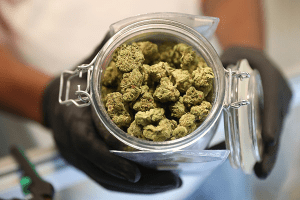
A bare-bones menu signals one of two things: either the dispensary does not know enough about its own products to describe them well, or it does not think its customers care. Neither one is a good sign. On the other hand, a menu packed with flower descriptions that include genetics, terpene profiles, and grow information tells you this is a place that respects the plant and the people buying it.
The New York Office of Cannabis Management requires certain disclosures on packaging, but an online menu can go far beyond the minimum. The best ones do.
Beginners look at the name. Connoisseurs look at the lineage.
Knowing that a strain is a cross between two specific parents tells you more about what to expect than any star rating or catchy product description ever could. If you have experience with one parent strain, you can make educated guesses about the flavor, the effect window, and the intensity.
Look for menus that list:
A dispensary like The Flowery makes this kind of information accessible because they understand their audience. When you are shopping brands like Cookies or MFNY, knowing the genetic backstory changes how you evaluate what is worth trying.
THC percentage is the most overrated number on any weed menu. Ask any connoisseur and they will tell you the same thing – terpenes drive the experience far more than a raw potency number.
The key terpenes to look for on a menu include:
| Terpene | Flavor Notes | Common Effects |
|---|---|---|
| Myrcene | Earthy, herbal | Relaxing, sedating |
| Limonene | Citrus, bright | Uplifting, stress relief |
| Caryophyllene | Peppery, spicy | Anti-inflammatory, calming |
| Linalool | Floral, lavender | Anxiety relief, sleep aid |
| Pinene | Pine, fresh | Focus, alertness |
| Terpinolene | Fruity, floral | Energizing, creative |
When a menu lists terpene percentages alongside THC and CBD numbers, it gives you a real picture of what the smoke will taste like, feel like, and how long the effects will last. According to discussions on r/NewYorkMMJ, experienced buyers routinely prioritize terpene data over THC content when making purchasing decisions.
If a menu does not list terpenes at all, that is a red flag. It means either the dispensary did not bother to get that data from its suppliers, or it does not think you need it. Either way, you deserve better.
This is where true connoisseurs separate from the pack. Harvest date and packaging date tell you how fresh the product is, and freshness directly impacts terpene retention, moisture content, and overall smoking quality.
Flower that has been sitting on a shelf for six months is not the same product it was at harvest. Terpenes degrade, moisture drops, and what was once a sticky, aromatic bud becomes dry and harsh. The best online menus include:
Even if a menu does not list the harvest date directly, a recent testing date usually means the product is relatively fresh. If the testing date is more than four months old, proceed with caution.
The concentrates section of any dispensary menu is where information gaps become most obvious. There is an enormous difference between products, and a menu that just says “wax” or “shatter” without further detail is not doing its job.
Here is what to look for when browsing concentrates online:
Extraction method – Hydrocarbon, rosin press, CO2, or ethanol extraction all produce different end products. Live resin made from fresh-frozen material preserves terpenes that dried-and-cured extraction loses. This distinction matters.
Input material – Was this made from trim, popcorn buds, or top-shelf flower? The input determines the output. Premium concentrates start with premium starting material.
Consistency description – Badder, sauce, diamonds, sugar, and rosin all have different textures and different ideal consumption methods. A menu that specifies consistency helps you choose based on how you prefer to consume.
Brands like Heavy Hitters and Select typically provide this level of detail on their cartridges and disposables, which makes browsing their products online a much better experience.
Most casual buyers scroll. Connoisseurs filter.
The ability to narrow down a menu by effect, terpene, brand, or product type saves an enormous amount of time and leads to better purchases. When shopping at The Flowery’s online menu, using filters effectively means you are not wading through hundreds of products to find the three that match what you are actually looking for.
Smart filtering strategies include:
The NYC Cannabis subreddit regularly discusses which dispensary websites have the best filtering tools, and menu navigation quality comes up as a deciding factor for where people shop.
Product descriptions are marketing. That is fine – every industry does it. But a connoisseur learns to read through the marketing to find the substance.
Red flags in product descriptions:
Green flags:
The best product descriptions read like they were written by someone who actually smoked the product, not someone who Googled the strain name and paraphrased the first result.
If you are using weed delivery in NYC, you are making a purchase without ever touching, smelling, or seeing the product in person. That makes the online menu even more important than it is for in-store shopping.
A delivery menu should give you enough information to feel confident about what is showing up at your door. That means photos of the actual product (not stock images), detailed descriptions, and current inventory status. Nothing is worse than placing a delivery order and getting a substitution because the menu was not updated.
The Flowery runs delivery across NYC and keeps their online menu synced with real inventory, which eliminates the guesswork that plagues other delivery services.
At the end of the day, a dispensary’s online menu is a statement of values. A menu built for connoisseurs provides depth. A menu built for tourists provides simplicity. Neither approach is wrong, but knowing what you are looking at helps you choose where to spend your money.
If you care about terpenes, genetics, freshness, and extraction methods, shop at places that care about those things too. The Flowery’s locations across NYC – from the East Village to Brooklyn – all pull from the same detailed online menu, so the experience is consistent whether you are shopping in person or online.
The menu is not just a list of products. It is a conversation between the dispensary and its customers. Make sure you are shopping somewhere that is actually saying something worth hearing.
What should I look for first on an online weed menu?
Start with strain genetics and terpene profiles rather than THC percentage. Lineage tells you more about the likely effects and flavor than potency numbers alone. A strain’s parent genetics give experienced smokers a reliable preview of what to expect.
Why is THC percentage not the most important number on a dispensary menu?
THC measures one cannabinoid in isolation. The entourage effect – how cannabinoids, terpenes, and flavonoids interact – determines the actual experience. A 22% THC flower with a rich terpene profile can deliver a more satisfying experience than a 30% THC flower with minimal terpene content.
How can I tell if weed on a dispensary menu is fresh?
Look for harvest dates, packaging dates, or testing dates. If the testing date is within the last two to three months, the product is likely fresh. Avoid products with testing dates older than four months, as terpene degradation and moisture loss will have impacted quality.
What is the difference between live resin and regular concentrates on a menu?
Live resin is made from fresh-frozen plant material, preserving the full terpene profile that drying and curing would normally reduce. Regular concentrates use dried material. Live resin typically tastes more like the living plant and provides a more complex effect profile.
How do I find products similar to what I used to buy on the medical market?
Filter by terpene profile rather than strain name. Medical and recreational markets sometimes carry the same genetics under different brand names. Matching the dominant terpenes of your old favorite will get you closer to the same experience than matching the strain name.
Do all NYC dispensaries show terpene information on their menus?
No. Terpene disclosure varies widely between dispensaries. Some list full terpene percentages, some mention dominant terpenes without numbers, and some skip terpene information entirely. Dispensaries that include detailed terpene data tend to cater to more knowledgeable customers.
Is the online menu the same as the in-store menu?
At well-run dispensaries, yes. The online menu should reflect current in-store inventory in real time. However, some dispensaries update their online menus less frequently, which can lead to ordering something online that is actually out of stock. Check the menu update frequency before relying on it.
What makes a dispensary menu connoisseur-friendly?
Detailed genetics, terpene data, harvest or testing dates, extraction method information for concentrates, and robust filtering options. A connoisseur-friendly menu treats you like someone who knows what they want and gives you the tools to find it efficiently.
Commuting the Hudson: What You Need to Know About Cannabis on the Haverstraw Ferry Haverstraw-Ossining Ferry is another way to travel between Westches…
If you are 21 or older, you can legally purchase and consume adult-use cannabis in both the Town and Village of Haverstraw. However, navigating the sp…

Yes, weed is completely legal in New York for adults 21 and older. You can buy it, possess it, use it, and grow limited amounts at home without breaki…