Haverstraw Cannabis Laws 2026: A Guide to Local Consumption and Safety
If you are 21 or older, you can legally purchase and consume adult-use cannabis in both the Town and Village of Haverstraw. However, navigating the sp…
06/16/2026|admin
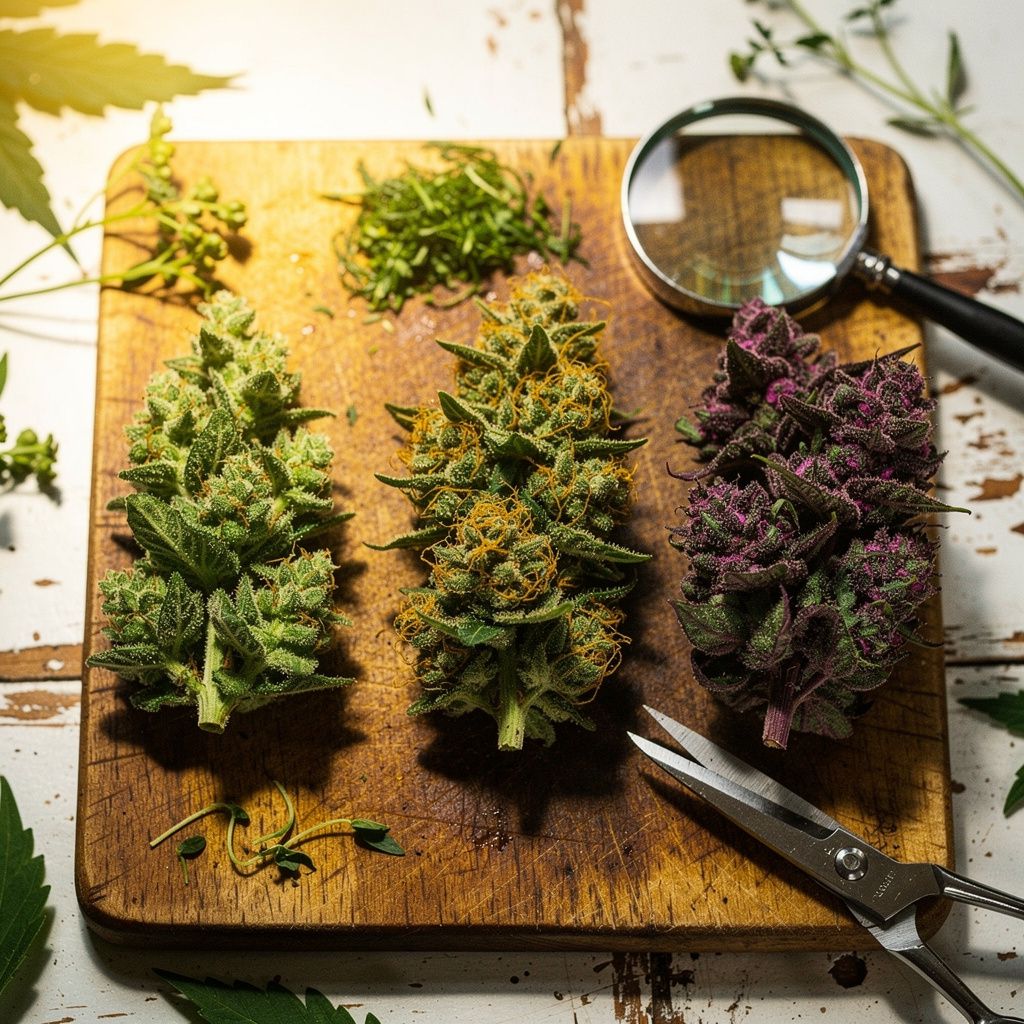
Cannabis strains are named cultivars of the cannabis plant, each with a distinct chemical profile. In practical retail terms, strains are sorted into three categories: indica (more body-relaxing, often associated with evening use), sativa (more head-forward, often associated with daytime use), and hybrid (blended characteristics). That framework is useful shorthand but scientifically loose — the real driver of how a strain feels is its terpene profile and cannabinoid ratio, not whether a book-of-names labels it indica or sativa. This guide explains what the terminology actually means and how to shop smart at a licensed NY dispensary like The Flowery.
Walk into any dispensary and you’ll see flower, pre-rolls, and edibles sorted by indica, sativa, or hybrid. That framework comes from old botanical classifications of two different cannabis subspecies — Cannabis indica (shorter, broader leaves, traditionally from the Hindu Kush region) and Cannabis sativa (taller, narrower leaves, traditionally from equatorial regions).
The folk wisdom that stuck is:
For shopping purposes, this framework is useful. Budtenders use it. Menus use it. Consumers use it. And it’s correlated enough with actual effect that most people get what they expect.
But it’s not the whole story.
Terpenes are aromatic compounds in cannabis (and in every other plant with a smell — pine, lemon, lavender). They’re what makes different strains smell and taste differently. And more importantly, they shape how the high feels.
Here are the big ones:
| Terpene | Aroma | Typical Effect |
|---|---|---|
| Myrcene | Earthy, musky | Sedating (common in indicas) |
| Limonene | Citrus | Uplifting, mood-elevating |
| Pinene | Pine | Focus, alertness |
| Linalool | Floral, lavender | Calming, anxiety-reducing |
| Caryophyllene | Peppery | Body relaxation, anti-inflammatory |
| Terpinolene | Fresh, herbal | Often in energizing sativas |
| Humulene | Hoppy, woody | Appetite suppression |
A high-myrcene strain will feel sedating whether it’s called an indica or a sativa. A high-limonene strain will feel uplifting regardless of label. This is why two “indica” strains can feel totally different — their terpene profiles are actually different.
THC is the main psychoactive cannabinoid. But the ratio of THC to other cannabinoids changes the experience significantly.
A high-THC, low-CBD strain feels different from a balanced THC:CBD strain of the same “indica” label. Reading the label matters.
At a Flowery location, product labels carry:
A budtender can walk you through any of this. If you’re asking the right questions — “what terpenes dominate in this one?” — you’ll get precise answers, not marketing.
Northern Lights, Granddaddy Purple, Bubba Kush, OG Kush, Purple Punch.
High-myrcene, high-caryophyllene typically. Body relaxation, evening/night use, sleep support.
Sour Diesel, Jack Herer, Green Crack, Durban Poison, Super Lemon Haze.
High-limonene, high-terpinolene or pinene typically. Head effects, daytime use, social/creative settings.
Wedding Cake, Gelato, Blue Dream, GSC (Girl Scout Cookies), Zkittlez, Runtz.
Balanced or leaning slightly one direction. Most consumers default to hybrids because the experience is versatile.
The same “Gelato” from two different cultivators can feel very different. Genetics drift. Growing conditions matter. A strain name is not a guarantee — it’s a pointer to a genetic lineage.
At a licensed NY dispensary like The Flowery, the cultivar notes and test data are your actual reference, not the strain name alone. If a strain worked for you, check which cultivator grew it. That’s often the better bet for repeatability than just asking for the strain by name.
High-THC doesn’t mean high-quality. A 32% THC strain can actually be less pleasant than a 22% strain with a richer terpene profile. Many connoisseurs chase terpene complexity over raw potency.
If you’re a high-tolerance consumer who needs the potency, sure, check the THC number. Otherwise, ask the budtender what they’re smoking personally — that question unlocks the most informed recommendations.
The Flowery’s flower category rotates constantly. Premium, mid-tier, and smalls/popcorn options at different price points. Most of the classic indicas, sativas, and popular hybrids show up at least monthly. NY-native cultivators are increasingly represented — if supporting local growers matters to you, ask for NY cultivators specifically.
Same-day delivery is available for most NYC ZIPs, which makes it easy to try new strains without leaving home.
“Indica, sativa, hybrid” is shorthand — useful for conversation, loose as a guide. The real drivers are terpenes, cannabinoid ratios, and the specific cultivator that grew the flower. Read labels. Ask budtenders. Keep notes on what you liked and what didn’t work.
Cannabis strains are personal in a way that’s almost unique among plants. What relaxes one person makes another anxious. The best thing you can do is try things at a reasonable dose, pay attention to the terpene profile, and build your own list over time.
At a NY-licensed dispensary, you’ve got the data and the staff to do it right.
If you are 21 or older, you can legally purchase and consume adult-use cannabis in both the Town and Village of Haverstraw. However, navigating the sp…
To The Moon Vape: Quality, Effects & Where to Buy in NYC To The Moon vape cartridges are available at The Flowery’s 12 NYC locations and via same-day …
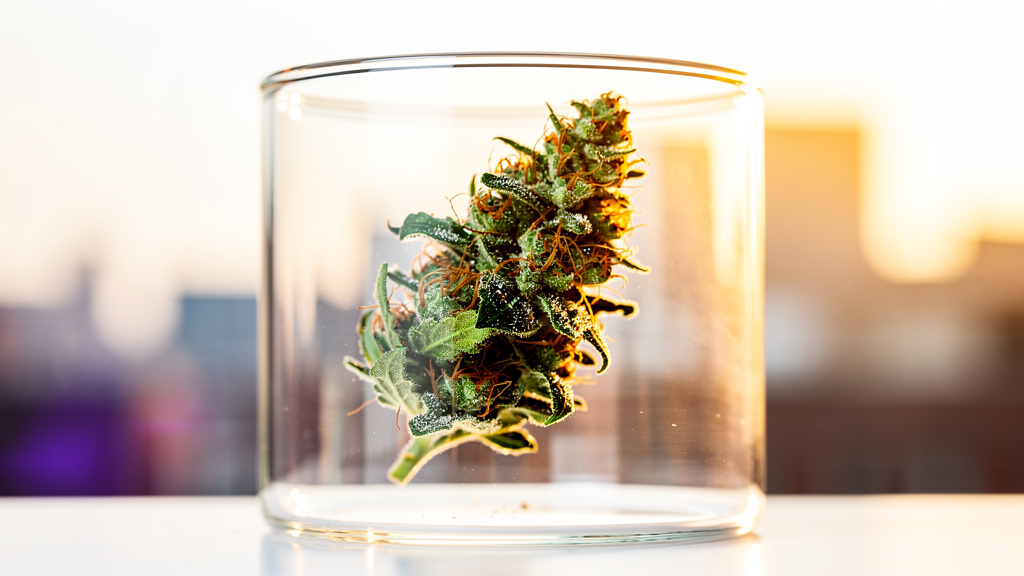
Indica strains generally relax your body and help with sleep, sativa strains tend to energize your mind and boost creativity, and hybrids blend both e…