How to Read a Weed Label in NY: COA, Terpenes, Milligrams Explained
A NY weed label tells you the strain name, the THC and CBD content, the terpene profile, the testing date, the batch number, and the COA (certificate …
05/15/2026|admin
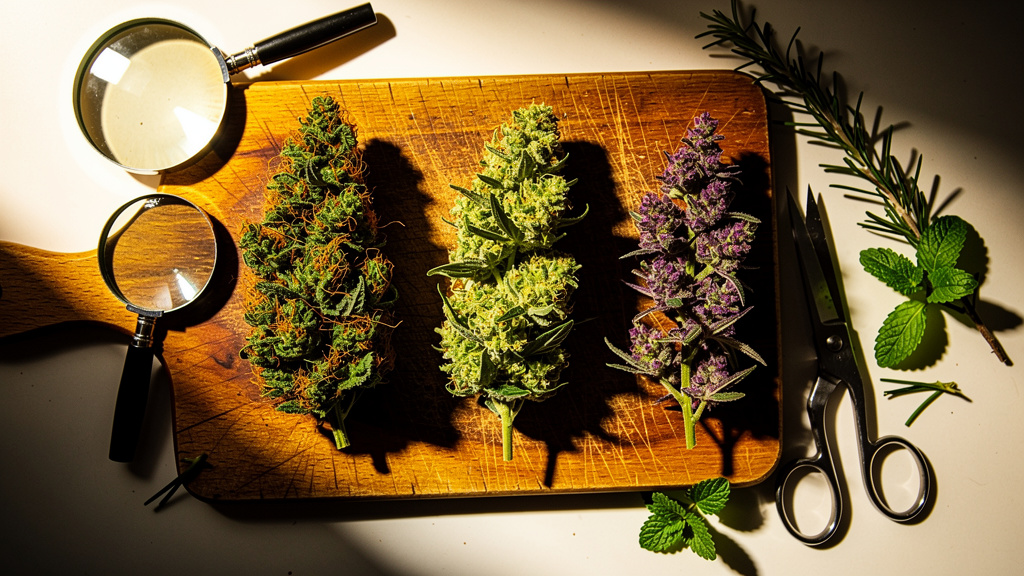
If you have recently started exploring legal weed – maybe after decades of not touching the stuff, or maybe for the very first time at 55, 60, or beyond – the labeling on modern pot products probably looks like a chemistry exam. THC 23.4%, CBD 0.8%, total terpenes 2.1%, myrcene, limonene, caryophyllene… it feels designed to confuse.
It is not. Once you know what each number actually means for your experience, you can walk into any dispensary and make confident choices without relying entirely on someone else’s recommendation. Here is the plain-English guide to everything on a weed label.
THC (tetrahydrocannabinol) is the compound that gets you high. The percentage tells you how much THC is in the product by weight. Higher percentage generally means stronger effects.
What the numbers mean in practice:
| THC Range | What to Expect | Best For |
|---|---|---|
| 10-15% | Mild, gentle effects | First-timers, cautious users, daytime use |
| 16-20% | Moderate, well-rounded | Regular users, balanced experience |
| 21-25% | Strong, potent | Experienced users who want pronounced effects |
| 26%+ | Very strong | High-tolerance users only |
The mistake most people make: Chasing the highest THC number on the shelf. More is not always better. A 30% THC strain can feel unpleasant if your tolerance is low – racing heart, anxiety, couch-lock you did not want. Starting in the 15-18% range and working up is far smarter than jumping to the strongest thing available.
The budtenders at The Flowery are great at steering people away from this trap. Tell them your experience level and they will point you to a THC range that matches where you actually are, not where you think you should be.
CBD (cannabidiol) does not get you high but can influence how THC feels. Products with higher CBD ratios tend to produce mellower, less anxious experiences. This makes CBD-containing products especially relevant for older adults or anyone who wants therapeutic benefits without intense psychoactive effects.
Look for:
– High THC, low CBD (most common): Full psychoactive effect
– Balanced THC:CBD (1:1 or 2:1 ratios): Gentler high with body relaxation
– High CBD, low THC: Minimal or no intoxication, good for relaxation and inflammation
The Flowery stocks products across this entire spectrum. Their edibles section includes CBD-forward gummies alongside standard THC options, and tinctures come in various ratios specifically for people who want to dial in their preferred balance.
This is where labels get interesting and where most new consumers zone out. Terpenes are aromatic compounds found naturally in the plant. They are responsible for how weed smells and tastes, but more importantly, they influence how each strain makes you feel.
The terpenes you will see most often:
Myrcene – Earthy, musky, slightly fruity. The most common terpene in pot. Promotes relaxation and sedation. Strains high in myrcene tend to feel heavier and more indica-like regardless of their genetic classification.
Limonene – Citrus, lemon, orange peel. Associated with mood elevation, stress relief, and uplifting energy. Strains with high limonene often produce happy, sociable feelings.
Caryophyllene – Peppery, spicy, woody. The only terpene that also acts on the body’s endocannabinoid system. May help with inflammation and pain without adding psychoactive effects.
Pinene – Pine needles, fresh forest. Associated with alertness and focus. Can counteract some of THC’s memory-impairing effects. Good for daytime use.
Linalool – Floral, lavender. Calming and anxiety-reducing. Common in strains recommended for relaxation and sleep.
Some labels list “total terpenes” as a single percentage, usually between 1-4%. Higher terpene content generally means more flavor and more pronounced experiential effects. Products above 2% total terpenes tend to have richer, more complex effects compared to low-terpene products.
This matters especially for flower and live resin cartridges where terpene preservation is part of the product’s value proposition. Distillate carts, by contrast, often have terpenes added back after extraction – still effective but less natural in profile.
Strain names (Blue Dream, OG Kush, Gelato, etc.) are a mix of useful and misleading. The name tells you the genetic lineage, which gives a rough indicator of effects. But the same strain grown by different cultivators can vary significantly in potency, terpene profile, and experience.
Trust the lab numbers over the name. Two “Blue Dreams” from different brands might have completely different THC percentages and terpene profiles. The label data tells the real story.
If reading labels still feels overwhelming after this guide, here are the exact questions to ask a budtender:
The Flowery hires people who love explaining this stuff. They are not going to push you toward the most expensive product. They want you to have a good experience because that is what brings you back.
Visit any of their twelve NYC-area locations or ask the delivery driver for recommendations when ordering through their same-day delivery service.
Does higher THC always mean a better high?
No. Higher THC means stronger effects, which can be unpleasant if your tolerance is low. “Better” is about matching the product to your goals and experience level.
Should I care about terpenes if I only eat edibles?
Terpenes matter less in edibles since they are partially lost during cooking/processing. They are most relevant for flower and vape products where you inhale them directly.
What does “total cannabinoids” mean?
The sum of all cannabinoid compounds (THC, CBD, CBN, CBG, etc.) in the product. A broader view of the product’s chemical profile beyond just THC.
Are lab test results trustworthy?
Licensed dispensaries in New York use state-certified testing labs. The results are as reliable as the system allows and far more trustworthy than any claim made by an unlicensed seller.
Can I bring my reading glasses into the dispensary?
Of course. Labels are small. The Flowery staff will also happily read off specifics if the print is too fine.
A NY weed label tells you the strain name, the THC and CBD content, the terpene profile, the testing date, the batch number, and the COA (certificate …

Yes, weed is completely legal in New York for adults 21 and older. You can buy it, possess it, use it, and grow limited amounts at home without breaki…
The Complete Purchase Privacy Guide for The 55+ Silver Consumer If you’re 55 or older and considering cannabis for the first time or returning after d…