Properly stored weed flower holds peak quality for 6 to 8 weeks, while improper storage can drop quality within 2 weeks. The four factors that matter most are light exposure, humidity, temperature, and air contact. The best home storage is an airtight glass jar with a 58 to 62 percent humidity pack, kept in a dark cabinet at room temperature (60 to 70 degrees Fahrenheit). For NYC apartments with summer heat issues, this approach prevents the most common quality problems.
What Actually Degrades Weed Flower Over Time?
Four enemies steal weed quality. Each does its own kind of damage.
Light, especially UV, breaks down THC and converts it into less psychoactive cannabinoids. A jar left in direct sunlight on a windowsill can lose 25 to 40 percent of its THC potency in 2 weeks. The damage is irreversible.
Air (specifically oxygen) oxidizes both THC and the terpenes. The flower turns brittle, the flavor flattens, and the smoke becomes harsh. A loosely sealed container loses quality faster than an airtight one.
Heat speeds up every degradation process. A jar kept above 75 degrees Fahrenheit loses terpenes faster than one at 65 degrees. Storage above 80 degrees can produce mold problems in addition to the potency loss.
Humidity extremes go both ways. Too dry (below 55 percent relative humidity) and the flower becomes brittle and harsh. Too wet (above 65 percent) and mold becomes a real risk. The sweet spot is 58 to 62 percent.
| Factor | Bad | Good |
|---|---|---|
| Light | Direct sun or LED | Dark cabinet |
| Air | Loose lid, plastic bag | Airtight glass |
| Temperature | Above 75°F | 60–70°F |
| Humidity | Below 55% or above 65% | 58–62% |
Key Takeaway: Light, air, heat, and humidity extremes degrade weed. An airtight dark cabinet at room temperature solves all four.
What Is the Best Container for Weed at Home?
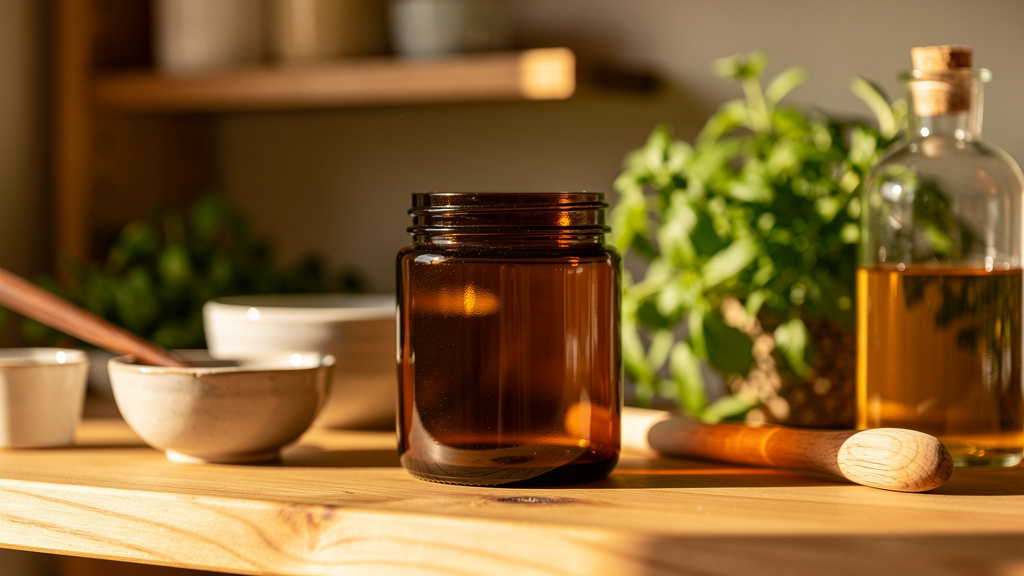
Glass mason jars with airtight lids are the gold standard for home weed storage. The dispensary jar your weed comes in is usually a workable option for short-term storage (less than 4 weeks) but is not always perfectly airtight. A dedicated mason jar offers better seal quality for longer storage.
Plastic containers are not ideal. Static charge attracts trichomes (the resin-coated structures that hold most of the THC) to the container walls, reducing the potency of what you actually consume. Plastic also leaches over time and can affect the flavor.
Metal tins are workable for short-term storage and travel. They block light and provide a reasonable seal. They are not as airtight as a mason jar with a fresh seal.
Vacuum-sealed bags are the best for long-term storage (months at a time). They remove the air contact problem completely. Buy a small kitchen vacuum sealer if you regularly buy weed in quarter ounce or larger sizes and want to keep some sealed for the back half of the supply.
The dispensary jar is fine for the eighth you are working through this week. Switch to a mason jar for anything you are storing more than 4 weeks.
Key Takeaway: Mason jars for short-term storage. Vacuum bags for long-term. Avoid plastic. Dispensary jars are workable for a few weeks.
How Do You Use a Humidity Pack?
A two-way humidity pack (like a Boveda or Integra Boost) maintains a target relative humidity inside a sealed container. The 58 percent and 62 percent packs are the two main options for weed flower.
Pick the 62 percent pack for most modern flower. The 58 percent pack is better for older, drier flower or for users who prefer a slightly drier smoke.
A standard 8 gram or 67 gram humidity pack lasts 2 to 4 months inside a sealed mason jar, depending on the air volume in the jar and how often you open it. The pack absorbs or releases moisture as needed to maintain the target humidity.
Drop the pack inside the jar with the weed. Do not let the pack touch the flower directly if you can avoid it (some users put it inside a small cloth bag). Replace the pack when it becomes hard or rigid, which means it has dried out or saturated and can no longer regulate.
Key Takeaway: A 62 percent two-way humidity pack solves the humidity problem. One pack lasts 2 to 4 months.
How Should You Store Weed in a Hot NYC Apartment?
Summer apartments in NYC can hit 80 to 90 degrees Fahrenheit if there is no air conditioning. This is bad for weed storage. The fix is to relocate storage to the coolest spot in the apartment.
A cabinet in an interior wall (not a wall facing direct sun) tends to run 5 to 10 degrees cooler than the room average. The bottom of a closet works for the same reason.
Avoid the refrigerator. Repeatedly cycling weed between fridge temperature and room temperature creates condensation inside the jar, which raises humidity to mold-risk levels. The cycling itself also stresses the trichomes.
A freezer can work for long-term storage of unopened, vacuum-sealed weed. The freezer is too cold for daily access but holds quality very well over 6 to 12 months for stored backstock. Do not put a mason jar with humidity-pack flower in the freezer. The combination of cold and humidity is bad.
For most NYC apartments, a kitchen cabinet on an interior wall or a closet shelf at chest height is the right home for the everyday weed jar. The setup is simple, the access is easy, and the temperature is the most stable spot in the apartment.
Key Takeaway: Interior cabinet at room temperature. Skip the fridge. Freezer only for sealed long-term backstock.
How Should You Store Different Weed Formats?
Each format has slightly different storage best practices.
Whole flower goes in a mason jar with a 62 percent humidity pack in a dark interior cabinet. 6 to 8 weeks at peak quality with proper storage. 3 to 4 months acceptable.
Pre-rolls follow the same rules as flower. They are already in their cone, so they go into the dispensary tube or a small airtight jar. Same dark cabinet. Same humidity pack option.
Edibles live by their best-by date. Store them in the original sealed packaging. Most edibles are shelf-stable for 6 to 12 months at room temperature. Chocolate edibles should not be refrigerated unless the room temperature regularly exceeds 75 degrees Fahrenheit.
Vape cartridges should be stored upright (mouthpiece up) at room temperature, away from direct sunlight. Heat and light can darken the oil and degrade flavor. Sealed cartridges hold quality for 6 to 12 months.
Tinctures store in a cool dark cabinet. The amber or dark glass bottles they come in are already designed for light protection. 12 to 24 months of shelf stability for most tincture products.
Key Takeaway: Flower in a mason jar with humidity pack. Edibles in original packaging. Carts upright. Tinctures in dark cabinet.
Frequently Asked Questions
Does putting weed in the freezer keep it fresher longer?
Only for long-term sealed storage. Freezer storage works for backstock you will not touch for months. For day-to-day storage, the freezer’s condensation cycling damages trichomes and is worse than room temperature in a dark cabinet.
How long does dispensary-fresh flower last in a sealed jar?
With proper storage (mason jar, humidity pack, dark cabinet, room temperature), 6 to 8 weeks at peak quality. 3 to 4 months at acceptable quality. Beyond that, terpenes have faded and the smoke is noticeably harsher.
Can I store weed in a plastic bag?
Not ideal. Plastic creates static that pulls trichomes off the flower and can leach into the smell and flavor over time. Use glass instead.
How do I tell if my weed has gone bad?
Old weed smells flat or musty instead of bright. The flower becomes brittle and crumbles easily. If you see visible mold (white, gray, or fuzzy patches), throw it out. Mold is not safe to consume.
Does The Flowery sell storage jars and humidity packs?
The Flowery’s accessories section carries some storage options including jars and humidity packs. Inventory rotates. Check the current selection on the shop page.
For NYC weed users, proper home storage is the difference between flower that smokes great for 8 weeks and flower that has lost its edge in 2. A mason jar, a 62 percent humidity pack, and a dark cabinet at room temperature is the whole setup. The Flowery’s flower is at peak quality when it leaves the store. Keep it that way at home.