“Is this weed organic?” is one of the most common questions health-conscious buyers ask at dispensaries across NYC. The answer is more complicated than you’d think, because the USDA doesn’t certify weed as organic (it’s still federally illegal), which means the word “organic” in weed marketing doesn’t carry the same regulated weight it does for your produce. Here’s what organic actually means in the weed context, how to identify quality cultivation practices, and what New York law requires for the products on dispensary shelves.
Why There’s No USDA Organic Weed
Weed remains a Schedule I substance under federal law. The USDA Organic certification program is a federal program. Federal agencies won’t certify a federally illegal product. That means no pot product in any state – including New York – can legally carry the USDA Organic seal.
Some producers use terms like “organically grown,” “clean green,” or “all-natural” to signal cultivation practices. These terms are not standardized or verified by any regulatory body in most states. New York’s OCM (Office of Weed Management) requires licensed producers to meet specific cultivation standards, but those standards are based on safety testing, not organic certification.
This doesn’t mean clean cultivation doesn’t exist in legal weed. It means the consumer needs to look beyond labels and ask better questions.
What New York Law Actually Requires
Every product sold at a licensed NYC dispensary like The Flowery passes through state-mandated testing. The testing covers:
Pesticide screening – New York tests for a panel of restricted pesticides. Products that exceed allowable limits cannot be sold. This is non-negotiable under OCM regulations.
Heavy metal testing – Lead, cadmium, mercury, and arsenic levels are screened. Weed plants are bioaccumulators – they absorb heavy metals from soil – so this testing matters regardless of whether the plant was grown “organically.”
Microbial contaminants – Mold, yeast, bacteria, and other microbial contaminants are screened. This is especially important for immunocompromised consumers or anyone using pot for health purposes.
Residual solvents – For concentrates and vapes, testing verifies that extraction solvents have been fully purged from the final product.
Potency verification – THC and CBD levels are independently verified to match label claims. No more guessing whether the 20% THC on the label is real.
These testing requirements apply to every product on The Flowery’s shelves, regardless of how the plant was cultivated. The result: you’re getting verified-safe products even without a USDA Organic stamp.
How to Evaluate Cultivation Quality
Without a standardized organic certification, health-conscious consumers need to evaluate quality through available information:
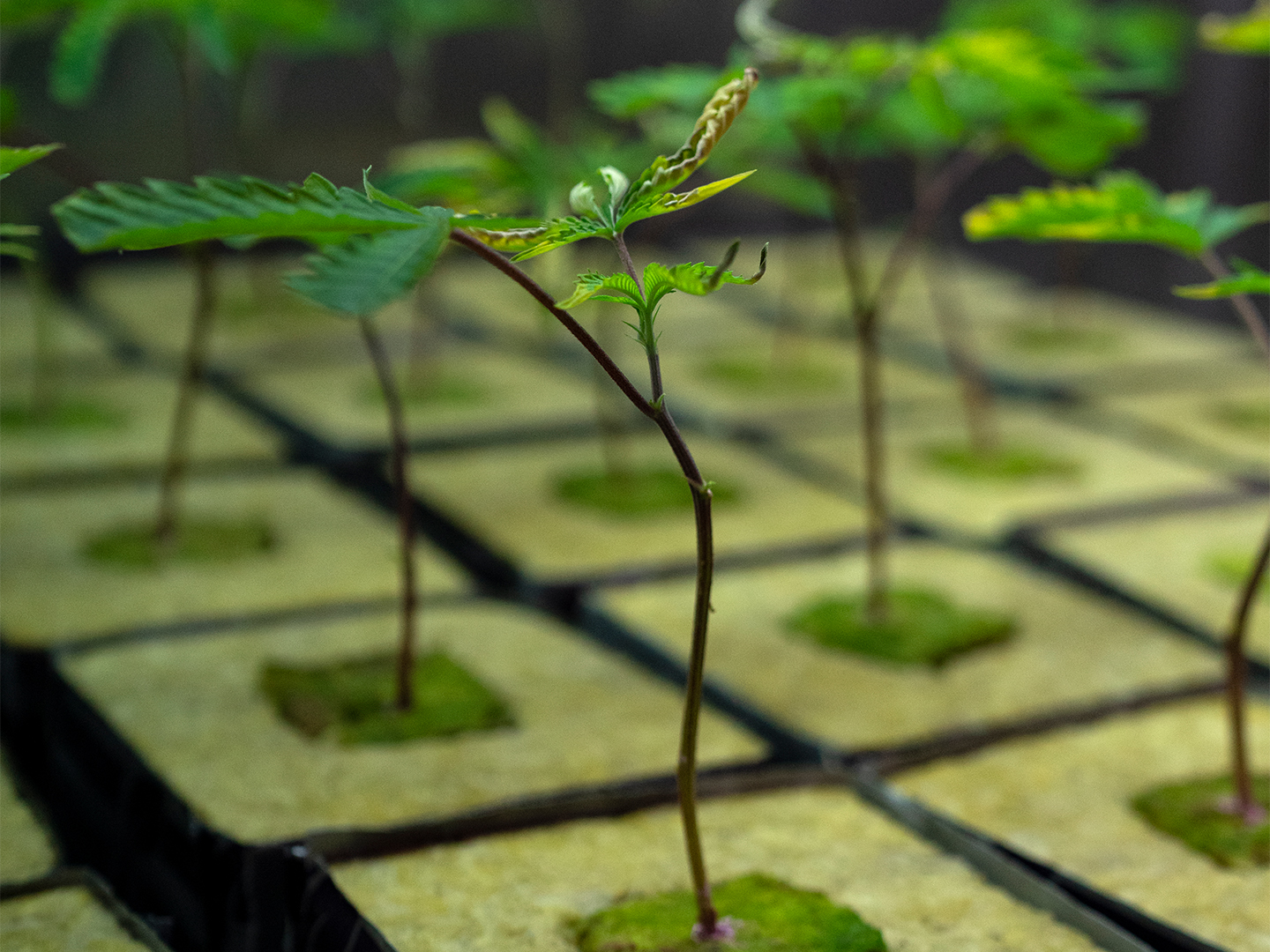
Ask about the producer. The Flowery’s budtenders can tell you about the licensed producers behind each product. Some New York cultivators use living soil, integrated pest management, and minimal chemical inputs. Others use conventional indoor growing methods with synthetic nutrients. The budtender can help you navigate toward producers whose practices align with your values.
Read the terpene profile. Rich, diverse terpene profiles generally indicate healthier, more carefully cultivated plants. Terpenes are delicate compounds that degrade under stress – plants that were rushed, over-fertilized, or poorly cured tend to have flat terpene profiles.
Check the lab results. New York requires Certificates of Analysis (COAs) for all legal products. These reports detail exactly what’s in the product and what’s not. If you want transparency, the data exists.
Buy from licensed dispensaries only. This is the single most important step for health-conscious consumers. Unlicensed shops and street market products skip all of the testing above. A 2023 study by the Connecticut Agricultural Experiment Station found detectable levels of heavy metals in 90% of unlicensed weed samples tested, compared to compliant levels in licensed products.
What “Clean” Weed Looks Like
The closest thing to “organic” in the current New York market:
- Flower grown in living soil (soil rich with beneficial microorganisms)
- Minimal pesticide use with integrated pest management (predatory insects, environmental controls)
- No synthetic growth regulators
- Proper cure time (2-4 weeks minimum for quality flower)
- Independent lab verification of all safety parameters
Several producers available at The Flowery follow these practices. Brands like Dank NY and other small-batch cultivators emphasize quality cultivation. Ask your budtender which brands align with clean-cultivation values.
Product Categories for Health-Conscious Consumers
Beyond cultivation method, the product format matters for health-conscious use:
Tinctures – No combustion, precise dosing, minimal processing. Sublingual absorption avoids the lungs entirely.
Edibles – No inhalation. Precise dosing per piece. Check ingredients for allergens and artificial additives.
Topicals – External application only. No psychoactive effects, no inhalation, targeted relief.
Vapes – If you choose inhalation, live resin cartridges are closer to the natural plant than distillate. No combustion means fewer byproducts than smoking.
Flower – The least processed form of weed. If you smoke, use a glass pipe or vaporizer to reduce paper and wrap byproducts.
Visit any of The Flowery’s 12 NYC and Hudson Valley locations and tell your budtender you’re looking for the cleanest products available. They’ll steer you toward the right options. Order same-day delivery if you already know what you want.
What Sets The Flowery Apart
The loyalty program rewards regular shoppers with points on every purchase. Points convert to discounts on future orders — whether you shop in-store or through delivery. For customers who have found their preferred products and reorder consistently, the math works out to meaningful savings over a few months.
Consistency matters when you find something that works. The advantage of buying from a licensed dispensary with a deep brand portfolio is that your favorite product will be there next time. If it does go out of stock, the staff can recommend the closest alternative from a different brand. That kind of continuity doesn’t exist when you’re buying from inconsistent sources.
Trust in the legal market builds one experience at a time. The first purchase from a licensed dispensary feels different from buying through informal channels — there’s a receipt, there’s a lab report available, there’s a staff member who can answer questions, and there’s a customer service line if something isn’t right. That accountability layer doesn’t exist in the unlicensed market, and it changes the entire dynamic.
The Flowery’s staff training goes beyond product knowledge. Budtenders learn about dosing guidance, interaction awareness, consumption method tradeoffs, and how to read what a customer actually needs versus what they initially ask for. That first-time buyer asking for “the strongest thing you have” usually needs a gentle redirect toward something they’ll actually enjoy.
Frequently Asked Questions
Can I trust “organic” claims on pot products?
Be skeptical. Without USDA certification, the term isn’t regulated in weed. Look for specific cultivation details rather than generic claims.
Is licensed weed safer than unlicensed weed?
Yes. Licensed products pass mandatory testing for pesticides, heavy metals, mold, and potency. Unlicensed products undergo no testing.
Does The Flowery test its products?
All products sold at The Flowery are tested by independent, state-certified laboratories as required by New York OCM regulations.
Are edibles healthier than smoking?
Edibles avoid inhalation entirely, which eliminates combustion-related health concerns. However, they metabolize differently and effects last longer. Neither is categorically “healthier” – they’re different consumption methods with different trade-offs.
What’s the cleanest way to consume weed?
Tinctures (no inhalation, precise dosing) and topicals (external only) are the lowest-impact consumption methods. Dry herb vaporizers are the cleanest inhalation method.