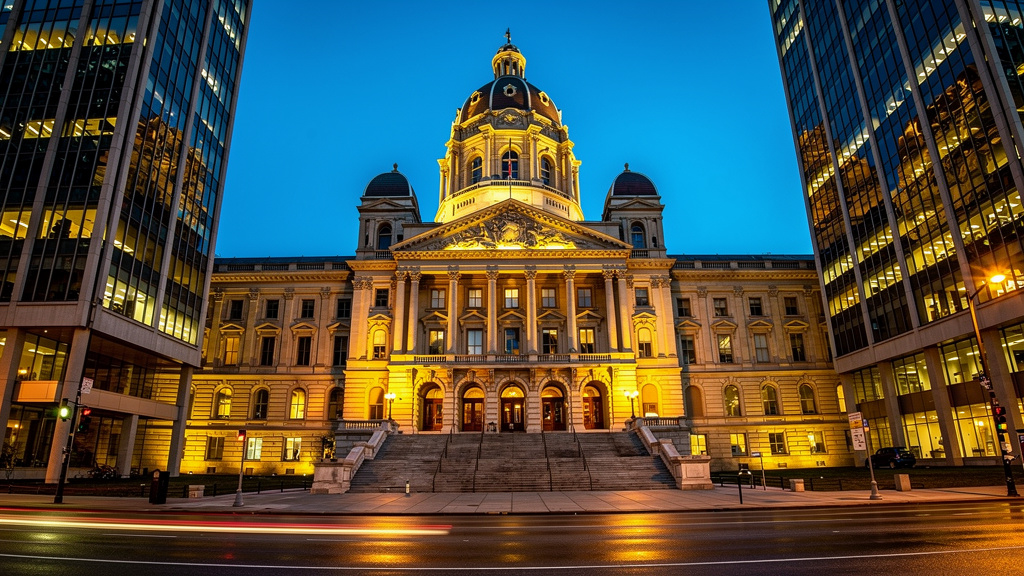
The OCM is the Office of Cannabis Management – New York State’s regulatory agency responsible for licensing, overseeing, and enforcing all legal cannabis activity including dispensaries, cultivators, processors, and consumption lounges. Created under the 2021 Marijuana Regulation and Taxation Act (MRTA), the OCM is why your weed from a licensed dispensary is tested, labeled, and verified safe while unlicensed product offers no such guarantee.
What the OCM Actually Does
Think of the OCM as the DMV of weed – except instead of registering vehicles, they license every business that touches cannabis in New York State. Their job covers the entire supply chain from seed to sale:
Licensing. Every cultivator, processor, distributor, retailer, and consumption lounge in New York must hold an OCM-issued license. No license, no legal operation. The OCM reviews applications, conducts background checks, and issues or denies licenses based on regulatory criteria.
Testing standards. The OCM mandates that all cannabis products undergo independent third-party laboratory testing before reaching dispensary shelves. This testing covers THC/CBD potency, terpene content, pesticide residues, heavy metal contamination, microbial contamination (mold/bacteria), and residual solvents from extraction.
Enforcement. When unlicensed shops pop up (and they do, constantly), the OCM coordinates enforcement actions – issuing cease-and-desist orders, seizing product, padlocking storefronts, and imposing fines. They’ve conducted hundreds of enforcement actions since 2023.
Consumer protection. Packaging requirements, labeling standards, child-resistant containers, dosing limits per package, health warnings – all mandated by OCM regulations. When you buy from The Flowery or any licensed dispensary, the packaging format exists because the OCM requires it.
Social equity. The OCM administers New York’s social equity licensing program, which prioritizes individuals and communities disproportionately harmed by cannabis prohibition for early access to retail licenses.
Why This Matters to You as a Buyer
Every time you purchase from a licensed dispensary, the OCM’s regulatory framework is working behind the scenes to protect you:
| What OCM Requires | What It Means for You |
|---|---|
| Mandatory lab testing | Verified potency – 25% THC means 25% THC |
| Pesticide screening | No harmful residues in your flower |
| Heavy metal testing | No lead, cadmium, or arsenic contamination |
| Microbial testing | No mold or harmful bacteria |
| Accurate labeling | What the package says is what’s inside |
| Child-resistant packaging | Safer storage around families |
| Seed-to-sale tracking | Full chain of custody, full accountability |
When you buy from an unlicensed shop or delivery service, none of these protections exist. That “20% THC” label? Might be accurate, might be fantasy. Those gummies labeled “10mg per piece”? Could be 3mg. Could be 30mg. There’s no OCM oversight to verify.
The Licensing Categories
The OCM issues different license types for different parts of the cannabis supply chain:
Cultivator licenses – Farms that grow cannabis plants. Indoor, outdoor, mixed-light operations. Multiple tiers based on canopy size.
Processor licenses – Facilities that turn raw cannabis into products: oils, edibles, concentrates, pre-rolls, etc. Separate from cultivation.
Distributor licenses – Companies that transport product between cultivators, processors, and retailers. The logistics layer.
Retail dispensary licenses – Shops like The Flowery that sell directly to consumers. Both CAURD (social equity priority) and general retail licenses exist.
Consumption lounge licenses – Venues where people can consume cannabis on-site. The only legal indoor public consumption option.
Microbusiness licenses – Vertically integrated small operations that can cultivate, process, and sell from one location.
Each license type carries specific requirements around security, record-keeping, employee training, product handling, and compliance reporting. The OCM audits and inspects licensees regularly.
The OCM vs. The Old Way
Before the MRTA and OCM, New York’s cannabis landscape was:
– Fully criminalized recreational possession
– Limited medical program (strict qualifying conditions, few dispensaries)
– Massive illegal market with zero consumer protection
– Disproportionate arrest rates hitting Black and Latino communities hardest
The OCM represents the state’s attempt to:
– Create a regulated market with consumer safety standards
– Dismantle the illegal market through enforcement and competitive pricing
– Direct economic opportunity toward communities harmed by prohibition
– Generate tax revenue while protecting public health
– Establish New York as a model for responsible cannabis regulation
Progress has been imperfect – licensing delays, enforcement challenges, and market development have been slower than promised – but the trajectory is clear: New York is building a comprehensive regulatory framework that protects consumers and creates legitimate economic opportunity.
How to Verify a Dispensary Is Licensed
Before buying from any cannabis retailer in New York:
- Check the OCM’s public license database – search by business name or address
- Look for the OCM license number posted visibly in the store
- Licensed dispensaries always provide receipts with business information
- Product packaging from licensed sources carries required labeling elements
If a shop can’t produce their license number, doesn’t provide receipts, sells products without proper labeling, or isn’t listed on the OCM database – it’s unlicensed. Walk out.
The Flowery displays their licensing information at all twelve locations and operates in full compliance with OCM regulations. Every product on their shelves passes through the required testing and tracking chain before reaching you.
Current OCM Priorities (2026)
The OCM’s agenda continues to evolve as the market matures:
Enforcement escalation. Unlicensed operations are being targeted more aggressively. Fines have increased, padlocking happens faster, and repeat offenders face criminal referrals.
Additional licensing rounds. More retail licenses are being issued as the market demonstrates capacity. This increases consumer access to licensed product.
Consumption lounge development. The on-site consumption license category is expanding, creating new social spaces for legal cannabis use.
Tax structure assessment. Evaluating whether current tax rates effectively compete with the illegal market or need adjustment.
Interstate commerce exploration. Early-stage discussions about potential interstate cannabis commerce as more states legalize and federal policy evolves.
The Bottom Line for First-Time Buyers
The OCM exists so you don’t have to be a cannabis expert to buy safely. When you walk into a licensed dispensary like The Flowery, the regulatory framework has already:
– Verified the product is what the label claims
– Tested for contaminants that could harm you
– Ensured proper storage and handling throughout the supply chain
– Established accountability if something goes wrong
– Created a paper trail from farm to your hands
Your job as a consumer is simple: buy from licensed shops, check that products have proper labeling, and enjoy the peace of mind that comes with a regulated market. The Flowery’s loyalty program and delivery service make consistently shopping licensed easy and rewarding.
Frequently Asked Questions
What does OCM stand for?
Office of Cannabis Management – the New York State agency that regulates all aspects of the legal cannabis market, from cultivation licensing to retail oversight to enforcement against illegal operators.
Is the OCM the same as the Cannabis Control Board?
The Cannabis Control Board (CCB) is the governing body that sets policy and approves regulations. The OCM is the executive agency that implements and enforces those policies day-to-day. They work together but serve different functions.
Can I report an unlicensed dispensary to the OCM?
Yes. The OCM accepts reports of unlicensed cannabis operations through their website at cannabis.ny.gov. Reports help enforcement teams prioritize actions and protect communities.
Do medical dispensaries also fall under OCM?
Yes. The OCM oversees both medical and adult-use cannabis programs in New York. Medical dispensaries operate under their own license category with additional requirements.
How do I know my weed was actually lab tested?
Licensed product carries batch-specific testing information on the label or via QR code. This links to certificates of analysis from independent labs. If there’s no batch number or testing reference, the product likely wasn’t tested through proper channels.
Does the OCM regulate delivery services?
Yes. Licensed delivery is regulated by the OCM. Only licensed dispensaries can legally deliver cannabis. Unlicensed delivery services operate illegally regardless of how professional they appear.