NYC Weed Prices Explained: What Creatives Actually Pay at The Flowery
The creative economy in NYC runs on coffee, collaboration, and weed. But if you’re a freelancer, artist, or musician managing your own budget, pot pri…
04/13/2026|admin
Let’s cut through the noise. You’ve seen the $80 eighths on dispensary shelves. You’ve also seen the $30 ones. The marketing copy on both promises basically the same thing – “top-shelf,” “fire,” “premium.” So what are you actually paying for when you spend more on weed in New York, and is the difference real enough to justify the price?
The answer is more nuanced than “you get what you pay for,” but also more interesting. Premium pot in NYC occupies a specific quality tier that has real, measurable differences from budget options. Whether those differences matter to you depends on your palate, your habits, and how much the experience of consumption factors into your enjoyment. Let’s break it all down with actual numbers.
First, let’s establish what things actually cost. New York’s legal weed market has settled into fairly consistent pricing bands, though individual dispensary locations may vary slightly based on neighborhood and overhead.
| Product | Budget Tier | Mid Tier | Premium Tier |
|---|---|---|---|
| Flower (eighth) | $25 – $35 | $38 – $50 | $55 – $80 |
| Pre-roll (single) | $8 – $12 | $12 – $18 | $18 – $25 |
| Vape cartridge (0.5g) | $25 – $35 | $35 – $50 | $50 – $70 |
| Gummies (10-pack) | $18 – $25 | $25 – $35 | $35 – $50 |
| Concentrate (1g) | $30 – $45 | $45 – $65 | $65 – $90 |
| Tincture (30ml) | $30 – $40 | $40 – $55 | $55 – $75 |
These ranges reflect what you’ll find on licensed dispensary menus as of early 2026. The spread between budget and premium is roughly 50% to 100% depending on category. That’s not trivial. On a monthly spend of $200, choosing exclusively premium over budget adds $100 to $200 to your tab.
The question is what that extra money buys. And the answer comes down to four specific quality factors.
Premium flower costs more to produce. That’s not marketing spin – it’s agricultural reality. Small-batch indoor grows with controlled environments, hand-watering, careful nutrient cycling, and extended curing periods produce demonstrably better product. They also cost two to three times more per pound than large-scale greenhouse or outdoor operations.
Hand-trimming alone adds significant labor cost. Machine-trimmed bud loses trichomes – the sticky, crystalline structures that contain cannabinoids and terpenes. Hand-trimming preserves them, which directly impacts potency, flavor, and aroma. When you see that premium eighth priced at $60, a meaningful portion of that reflects the 10 to 15 minutes of skilled labor that went into trimming just those 3.5 grams.
The National Organization for the Reform of Marijuana Laws has noted that as legal markets mature, consumer education around cultivation quality becomes increasingly important for distinguishing genuine premium product from overpriced commodity flower with good packaging.
Terpenes are volatile compounds. They degrade with time, heat, light, and oxygen exposure. A freshly cured batch of weed with a rich terpene profile smells and tastes dramatically different from the same strain six months later. That degradation isn’t subtle – it’s the difference between a ripe peach and one that’s been in the fridge for three weeks.
Premium pricing partly reflects faster inventory turnover. Dispensaries that charge more for premium flower tend to order smaller batches more frequently, which means fresher product on the shelf. Budget operations buy in bulk and sell through slowly, which saves on procurement costs but sacrifices freshness.
When browsing the online shop, check for packaging dates whenever they’re listed. Premium products with recent dates are delivering on their price promise. Premium products with packaging dates older than 90 days are not – regardless of what the label says.
The premium gap is widest in concentrates and vapes. Budget vape cartridges typically use distillate – a refined THC extract that’s been stripped of most plant compounds and then has botanical terpenes added back in for flavor. It works. It gets you high. But it’s one-dimensional.
Premium cartridges and live resin products preserve the full spectrum of cannabinoids and terpenes through cryogenic extraction processes that start with flash-frozen plant material. The result is a product that tastes like the actual strain it came from and produces a more complex, layered high.
Is that worth an extra $20 to $30 per half-gram cart? For a daily vaper, probably yes. For someone who hits a cart occasionally, the budget option serves its purpose.
Reddit users on r/NewYorkMMJ have extensively debated this exact trade-off. The consensus leans toward spending up on concentrates even if you go mid-range on flower, because the quality gap in extracts is easier to perceive and harder to ignore.
The premium story in edibles is less about potency and more about formulation. Budget gummies get the job done, but they often use artificial flavors, high-fructose corn syrup, and imprecise dosing. Premium edible brands invest in natural ingredients, consistent dosing per piece, and flavor profiles that make the product genuinely enjoyable to eat.
Brands like Kiva and Camino have built their entire reputation on making edibles that you’d want to eat even without the THC. Their gummies and chocolates use real fruit flavors, fair-trade chocolate, and functional ingredients like CBN for sleep or CBD for balance.
The New York State Office of Cannabis Management regulates dosing accuracy, but premium brands typically exceed the regulatory tolerance, delivering plus or minus 10% of the labeled dose per piece versus the wider variance you sometimes see in budget options.
Not every purchase needs to be premium. Strategic spending means knowing where the quality gap matters most to you personally and allocating accordingly.
For daily flower smokers, buying exclusively premium gets expensive fast. A better approach: keep one premium strain in your rotation for evenings or weekends, and use a solid mid-tier option for daily consumption. That cuts your monthly flower spend by 30% to 40% without meaningfully reducing your quality of life.
For concentrate and vape users, spending up is almost always worth it. The quality difference is stark, the health implications of better extraction methods are real, and the per-session cost difference is smaller than it looks because premium products tend to be more efficient – you need less to achieve the same effect.
For edible buyers, premium matters most if you care about the eating experience itself. If you’re just dropping a gummy before bed, the $20 option works fine. If you’re sharing edibles at a dinner party, the premium product is a better representation of your taste.
Smart premium shoppers don’t just pay more – they optimize. The loyalty program is the most direct offset. If you’re spending $300 per month at premium price points, your annual loyalty rewards can easily return $150 to $250, effectively dropping your per-unit premium cost by 5% to 8%.
Delivery eliminates the impulse factor. When you shop online, you build your cart deliberately, review it, and submit. In-store, premium shoppers often add $20 to $40 of unplanned items per visit. Over a year, that adds up to hundreds in unnecessary spend. The discipline of online ordering is itself a savings tool.
Timing purchases around promotional periods stacks further savings. Premium brands participate in holiday sales, and buying two or three weeks’ supply during a 20% off event is one of the simplest ways to access premium quality at mid-tier prices.
Yes, with conditions. Premium weed delivers a meaningfully better experience in flower quality, concentrate purity, and edible formulation. The differences are real, not imagined, and they compound across a more satisfying overall consumption experience.
But premium doesn’t mean always buying the most expensive thing on the menu. It means buying intentionally, understanding what drives price differences, and allocating your budget toward the categories where you’ll notice the upgrade most. For most premium shoppers, that means splurging on concentrates, being selective with flower, and choosing edibles based on occasion.
The worst version of premium shopping is paying top dollar reflexively without understanding why. The best version is making informed choices that maximize the quality-to-cost ratio across your entire consumption portfolio.
Why does premium weed cost so much more in NYC?
New York’s weed taxes, Manhattan-level commercial rents, and compliance costs all layer onto the base production cost. Premium products add small-batch cultivation, hand-trimming, and faster inventory rotation on top of that. The markup isn’t arbitrary – it reflects real costs at every stage from seed to shelf.
Is the most expensive weed on the menu always the best?
No. Price sometimes reflects limited availability or brand hype rather than a proportional quality increase. The $50 to $60 range for flower consistently offers the best quality-to-value ratio. Above that, you’re increasingly paying for scarcity and status. Below that, you’re accepting genuine quality trade-offs.
How much should I budget monthly for premium pot in NYC?
Regular premium consumers typically spend between $200 and $400 monthly, depending on consumption frequency and product mix. A balanced approach – premium for concentrates and special occasions, mid-tier for daily use – lands most shoppers in the $250 to $350 range with good variety and consistent quality.
Do premium edibles hit harder than budget ones?
Not necessarily harder, but more consistently. Premium edibles offer more precise dosing per piece, meaning your 10mg gummy actually contains close to 10mg. Budget edibles can vary more widely, making it harder to predict your experience. The high itself depends on your tolerance and the specific formulation, not the price tag.
Where can I find the best deals on premium weed in NYC?
Loyalty programs, holiday promotions, and online-exclusive deals are the three best levers. Consolidating purchases at one dispensary maximizes loyalty rewards. Shopping during promotional weekends – 4/20, Labor Day, holiday sales – lets you stock up on premium products at mid-tier prices.
Is it worth switching from the gray market to licensed premium?
Absolutely. Licensed dispensaries offer lab-tested products with verified potency, no contaminant risk, and legal purchase protections. The gray market may offer lower prices, but you sacrifice quality assurance, strain accuracy, and the legal standing that comes with buying from a licensed operation.
How do I know if a premium product is actually premium?
Look for specific indicators: harvest dates within 90 days, full terpene profiles on the label, small-batch designations, solventless extraction for concentrates, and natural ingredient lists for edibles. Generic claims like “top-shelf” without supporting details are marketing, not quality markers.
The creative economy in NYC runs on coffee, collaboration, and weed. But if you’re a freelancer, artist, or musician managing your own budget, pot pri…
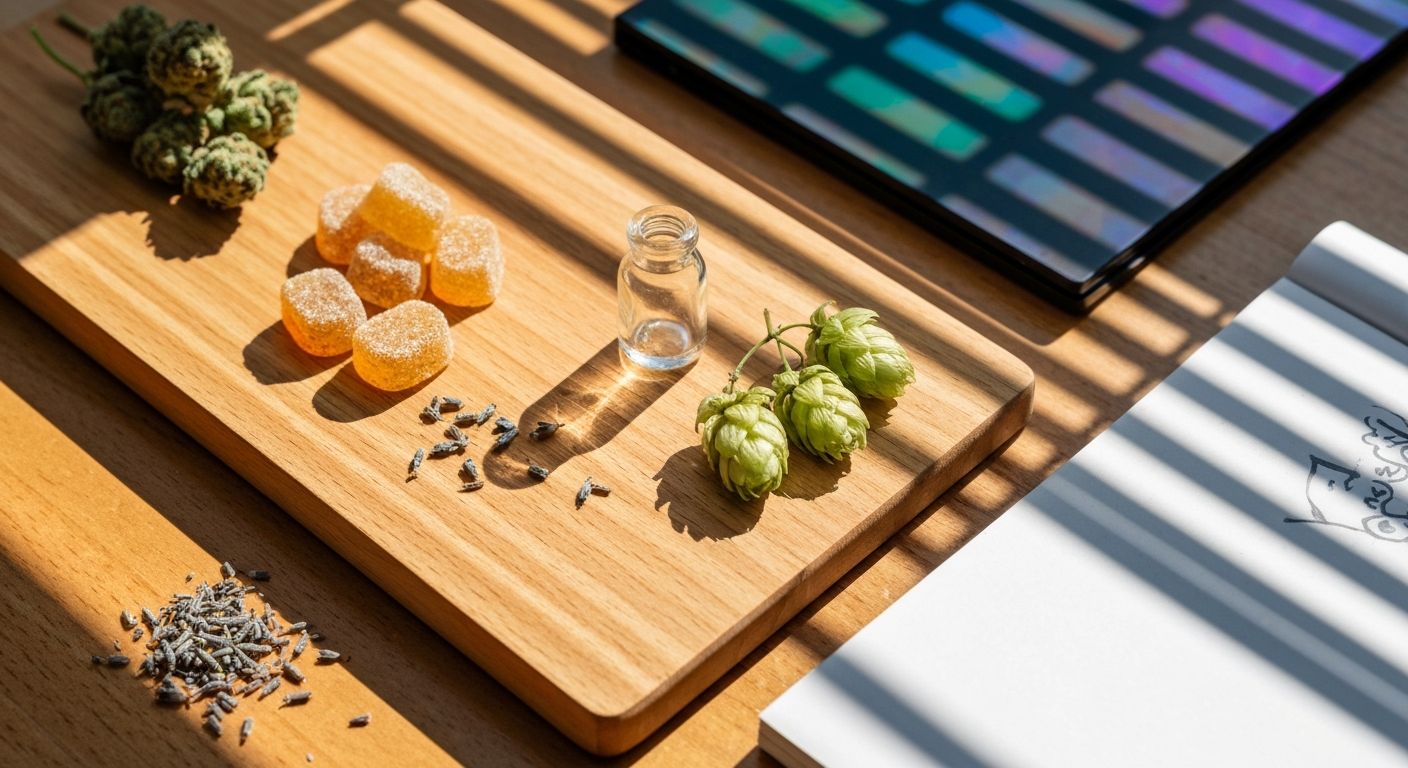
That top-shelf eighth sitting behind the glass at $65 looks identical to the $40 option two rows down. Same general color, same crystal coverage to th…
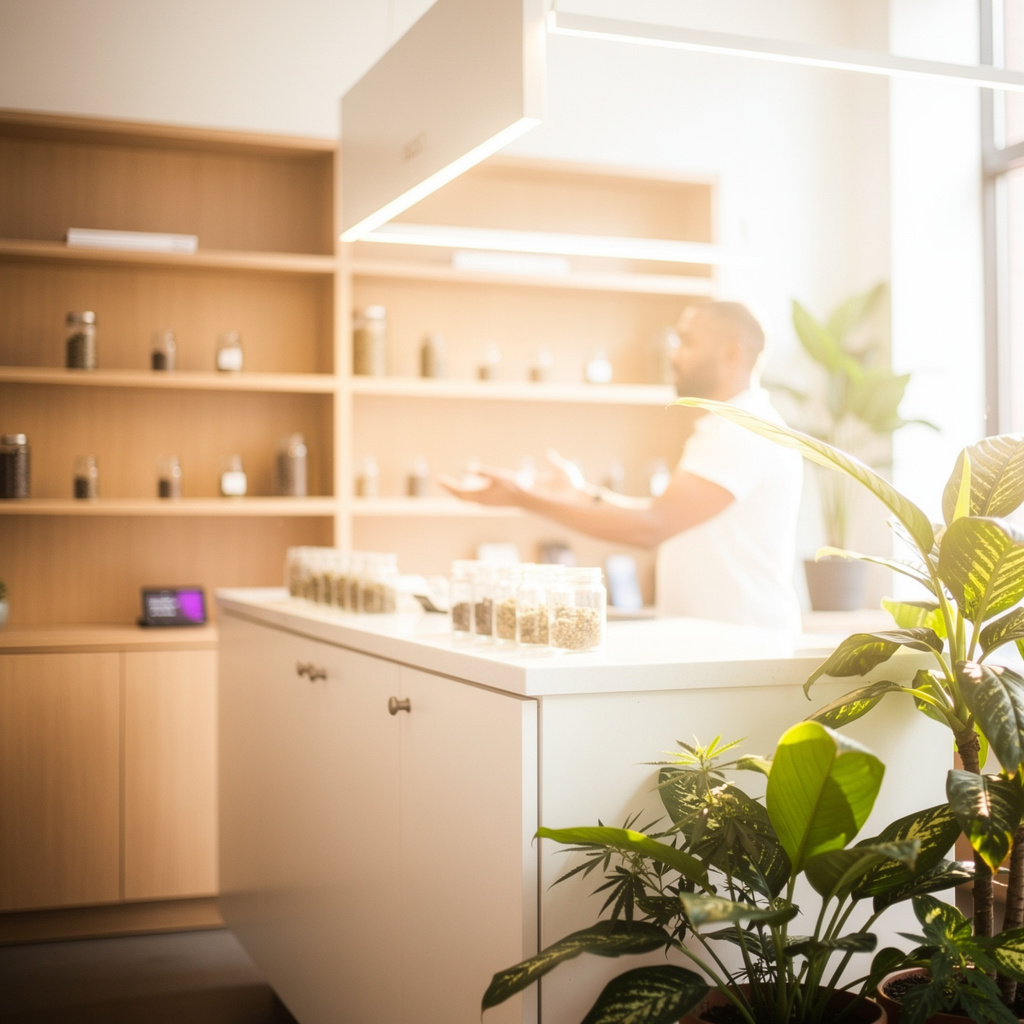
Staff Expertise for Convenience-Focused Professional The Flowery’s staff are trained to understand professional cannabis use. They do the research for…