
Cannabis for Stress Relief: What Science Says
Cannabis for Stress Relief: What Science Says Research shows cannabis can reduce acute stress and anxiety in some users, particularly strains with bal…
04/08/2026|Tejas Patil
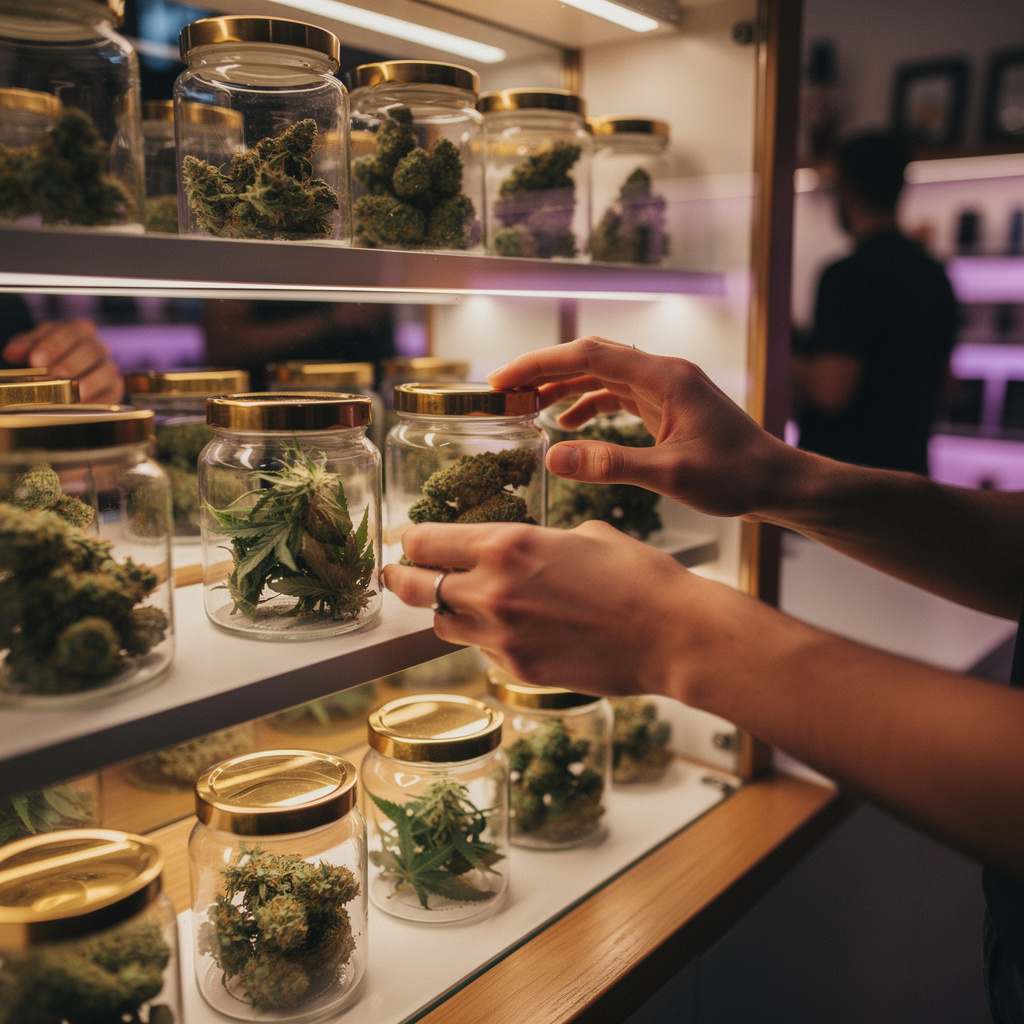
Let’s cut to it. You’ve seen the sticker shock at licensed dispensaries and wondered if legal pot is just a luxury tax on getting high. As someone who microdoses for focus, creativity, and stress management – not for a Saturday bender – the pricing question hits differently. Every dollar matters when you’re buying weed as a daily tool, not a weekend treat.
The truth is more nuanced than the Reddit threads suggest. Legal weed pricing in NYC has dropped significantly since the first dispensaries opened, and when you calculate the actual cost per dose for microdosing, the math starts looking very different from what the headlines imply. If you’re shopping smart at places like The Flowery’s online shop, you can build a microdosing routine that costs less than your daily coffee habit.
Here’s where most pricing complaints fall apart: they compare eighths and full-gram carts without considering how many actual sessions each product delivers. A microdose is typically 1-5mg of THC, depending on your tolerance and goals. That changes everything.
A $40 pack of gummies with 100mg total THC contains anywhere from 20 to 40 microdoses at 2.5-5mg each. That’s $1-2 per dose. Compare that to a $7 latte or a $15 cocktail, and suddenly legal weed isn’t the expensive option – it’s the bargain.
The New York Office of Cannabis Management has been working to bring prices closer to market equilibrium, and the results are showing. Flower prices have dropped roughly 25-30% from early 2025 highs, and edible pricing has become especially competitive.
Not every product category works equally well for precision dosing. Some are built for it. Others require too much guesswork.
| Product Type | Cost Per Microdose (2.5mg) | Dosing Precision | Best For |
|---|---|---|---|
| Low-dose gummies | $1.00 – $1.75 | Excellent | Daily consistency |
| Tinctures | $0.75 – $1.50 | Excellent | Flexible timing |
| Vape cartridges | $1.25 – $2.00 | Moderate | Quick onset |
| Pre-ground flower | $1.50 – $3.00 | Low | Experienced users |
| Infused beverages | $2.50 – $4.00 | Excellent | Social settings |
Tinctures deserve special attention from the microdosing crowd. A single bottle with 300mg total THC at $45-55 delivers over 100 microdoses at the 2.5mg level. That’s roughly $0.50 per dose when you catch a sale. The dropper markings let you dial in exactly where you want to be, which is the whole point of microdosing in the first place.
Walk into an unlicensed shop and you might find gummies at half the price. Tempting, sure. But here’s the problem microdosers specifically can’t afford to ignore: consistency.
When your goal is a subtle cognitive shift – enhanced focus during a work session, mild anxiety relief before a presentation, gentle creativity support during a brainstorm – precision matters more than potency. A gummy that claims 5mg but actually delivers 12mg isn’t a deal. It’s a ruined afternoon.
Licensed products in New York undergo testing through labs certified by the New York State Department of Health. That testing verifies the actual THC content matches what’s on the label, within a regulated margin. For someone taking 2.5mg before a strategy meeting, the difference between tested and untested product isn’t about safety theater – it’s about actually being able to function.
The r/NYCweed community has documented this extensively, with multiple posts showing lab test comparisons between licensed and unlicensed products. The variance in unlicensed edibles can be staggering – sometimes 50-200% off from stated dosage.
Let’s get practical. A typical microdosing professional might dose 4-5 days per week, once or twice daily. That’s roughly 25-40 doses per month. Here’s what that looks like financially.
At the gummy tier with brands like Wyld or Camino, you’re looking at $30-60 per month for a consistent microdosing program. Supplement with a vape cartridge for situational use – quick onset before meetings, for example – and you’re adding maybe $25-40 monthly.
Total monthly spend for a well-designed microdosing routine: $55-100. That’s less than most gym memberships, less than a weekly dinner out, and less than what many professionals spend on supplements and nootropics that have far less research behind them.
Here’s where the pricing conversation gets genuinely interesting for regular microdosers. Programs like The Flowery’s loyalty program reward consistent purchasing. When you’re buying the same products regularly – which microdosers absolutely do – those points compound.
A 10% effective discount through loyalty rewards brings that $55-100 monthly budget down to $50-90. First-time buyer deals, daily specials, and bundle pricing can shave it further. The dispensaries that understand their repeat customers are the ones worth building a relationship with.
Time is money, and this is New York. For professionals microdosing as part of their productivity stack, the time cost of visiting a dispensary matters. Delivery services in NYC have become remarkably efficient, and the pricing is typically identical to in-store.
That said, visiting locations like the East Village has its own value. Budtenders who understand microdosing can steer you toward new products that fit your protocol. A five-minute conversation about onset time or duration can save you from buying the wrong product entirely – which is the most expensive mistake a microdosers makes.
Not all microdosing occasions are created equal. There are moments when spending $3-4 per dose instead of $1-2 actually makes sense.
High-stakes work days – presentations, creative deadlines, important calls – warrant your most reliable, best-tested products. This is when premium edibles earn their price tag. The consistency of a trusted brand at a slightly higher price point beats the uncertainty of a budget option when your performance matters.
For routine maintenance dosing on regular workdays, the value-tier products work perfectly well. Match your spending to the stakes, and your average cost stays low while your worst-case scenarios stay controlled.
The National Institute on Drug Abuse has published research on dose-response relationships with THC that supports what microdosers have known intuitively: lower doses can produce different – sometimes more desirable – effects than higher ones. You’re not getting less by spending less per dose. You’re getting exactly what you need.
Is legal weed in NYC more expensive than the gray market?
On a per-unit basis, licensed dispensary prices can run 15-30% higher than unlicensed shops. But for microdosers, the value equation flips when you factor in dosing accuracy, product consistency, and the cost of a bad experience during a workday. The premium buys predictability.
What’s the cheapest way to microdose weed in NYC?
Tinctures offer the lowest cost per microdose, often under $1.00 per 2.5mg serving. They also provide the most precise dosing control with measured droppers, making them the efficiency king for daily microdosing routines.
How much should I budget monthly for microdosing pot?
Most microdosing professionals spend $55-100 per month, dosing 4-5 days per week. Loyalty programs, daily specials, and buying in slightly larger quantities can bring that number down to $40-80 without sacrificing product quality.
Do NYC dispensaries offer deals on microdose products?
Yes. Many licensed dispensaries run daily specials, first-time buyer discounts, and loyalty point programs. Low-dose edibles and tinctures frequently appear in these promotions since they’re high-velocity products that dispensaries want to keep moving.
Are low-dose edibles worth the price compared to cutting regular ones?
Absolutely. Pre-dosed low-dose edibles remove the guesswork entirely. Cutting a 10mg gummy into quarters introduces inconsistency that defeats the purpose of microdosing. The slight premium for 2.5mg products pays for itself in reliable experiences.
How do weed prices in NYC compare to other legal states?
NYC pricing has settled into a range comparable to mature markets like Colorado and Oregon for most product categories. Edibles and tinctures, the primary microdosing vehicles, are especially competitive since they’re easier to produce at scale.
Does delivery weed cost more than buying in-store?
Most NYC dispensaries charge identical prices for delivery and in-store purchases. Some may have minimum order requirements for free delivery, but the product pricing itself stays consistent regardless of how you shop.
Why do different dispensaries charge different prices for the same brand?
Pricing varies based on volume purchasing, location overhead, and promotional strategy. Building a relationship with one dispensary through their loyalty program usually yields better long-term value than price-shopping across multiple stores for marginal savings.
Cannabis for Stress Relief: What Science Says Research shows cannabis can reduce acute stress and anxiety in some users, particularly strains with bal…
Store Atmosphere for Microdosing Productivity Professional You’re a professional who’s discovered that microdosing enhances focus, creativity, and pro…

When you buy weed at a New York City legal dispensary in 2026, the total tax adds approximately 13 percent to the sticker price. That breaks down to 9…