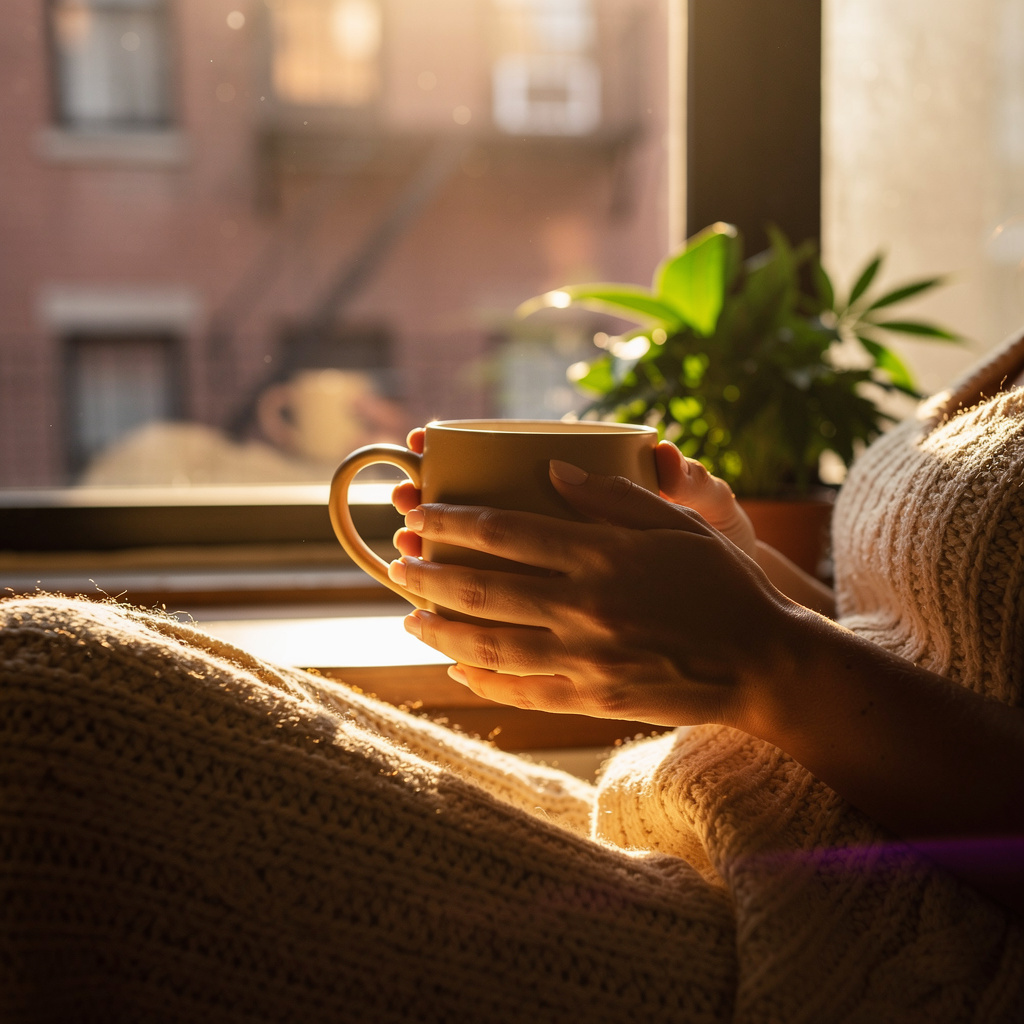
Cannabis for Stress Relief: What Science Says
Cannabis for Stress Relief: What Science Says Research shows cannabis can reduce acute stress and anxiety in some users, particularly strains with bal…
04/08/2026|Tejas Patil

An increasing number of health-conscious New Yorkers are incorporating cannabis into intentional wellness routines — for stress management, sleep support, recovery, and mindful relaxation. The legal market makes this possible in a way it never was before: consistent products, verified potency, and knowledgeable staff who can guide your choices. The Flowery’s 12 NYC locations are built for exactly this kind of intentional, informed cannabis use.
For a long time, the conversation about cannabis was binary: recreation or medicine. You were either getting high for fun or using it as a patient with a medical card.
That binary never captured the reality of how most thoughtful people actually use cannabis. The health-conscious New Yorker who uses a low-dose edible as part of a decompression ritual after a long day isn’t doing something “recreational” in the dismissive sense — and they’re not a patient either. They’re making an intentional choice about their own wellness.
The legal market in New York has made space for this third category to be acknowledged and served properly. And The Flowery has built its dispensary experience specifically around this kind of consumer.
The range is wide. Here are some of the most common ways health-conscious New Yorkers are using cannabis as part of their wellness practice:
Stress and Anxiety Management
Low-dose cannabis — particularly balanced CBD-to-THC products — is used by many consumers specifically to reduce the ambient stress of city living. Research into cannabidiol (CBD) suggests meaningful activity at receptors involved in anxiety response. Combined with low-THC content that doesn’t produce impairment, these products occupy a genuinely useful space for people who want something beyond a glass of wine but less clinical than a prescription.
Sleep Support
Cannabis has a long history as a sleep aid. CBN (cannabinol), a minor cannabinoid found in some products, is specifically associated with sedative effects. Indica-dominant strains and products with myrcene-forward terpene profiles are commonly used for nighttime relaxation and sleep onset. The key is dose management — too much THC can actually disrupt deep sleep cycles, while lower doses seem to support sleep quality for many people.
Recovery and Physical Relaxation
The anti-inflammatory properties associated with CBD and select cannabinoids make certain cannabis products appealing for post-exercise recovery or physical discomfort management. Topical products and balanced-ratio oral products are most common for this use.
Mindful Relaxation
For some consumers, cannabis functions as an intentional pause in a high-output day — a way to transition from work to personal time with attention and intention. This is categorically different from recreational use in the casual sense; it’s closer to meditation or breathwork in its purposefulness.
Creative Flow States
For artists, writers, designers, and others, certain cannabis products have historically been associated with loosened associative thinking and reduced self-censorship. Low-to-moderate doses of sativa-forward products are commonly used for this purpose.
It’s worth being honest here: cannabis research, while growing rapidly, is still in relatively early stages for many wellness applications. The regulatory history of cannabis delayed meaningful clinical study for decades. What we have now is a mix of compelling animal studies, emerging human trial data, and significant anecdotal evidence.
What the science does support, with reasonable confidence:
CBD’s anxiolytic properties. Multiple studies have found CBD to reduce anxiety in clinical settings. Mechanisms include activity at 5-HT1A serotonin receptors and modulation of the endocannabinoid system.
Cannabinoids and sleep architecture. THC appears to reduce REM sleep at higher doses; low doses and CBN may support sleep onset. The relationship is dose-dependent and individual.
Anti-inflammatory activity. Multiple cannabinoids, including CBD and CBG, show anti-inflammatory properties in research settings, though clinical translation varies.
Endocannabinoid system function. The human endocannabinoid system is involved in regulating mood, appetite, pain, inflammation, and memory. Cannabis acts on this system — the mechanisms are real, even where specific clinical claims remain under study.
The honest position for a health-conscious consumer is: cannabis has meaningful biological activity that intersects with wellness goals, the evidence base is growing, and the legal market gives you consistent, tested products that make individual experimentation safer and more informative than it’s ever been.
Start with intention. Before you buy anything, articulate what you’re actually trying to achieve. “I want to sleep better” leads you to different products than “I want to reduce afternoon anxiety” or “I want to support post-workout recovery.” The more specific you can be, the better your product choices will be.
Choose products matched to your goal. The Flowery’s staff across all 12 NYC locations are trained to help you make these connections — they’re enthusiasts who’ve thought about this themselves, not salespeople working a script.
Keep a simple journal. Note what you used, how much, when, and what you experienced. This level of tracking is how you figure out what actually works for you rather than what works on average.
Start low, adjust gradually. This is the golden rule for wellness-oriented cannabis use. Begin with the lowest dose that seems relevant (2.5mg edible, a single vape puff, a low-dose tincture) and give it time to assess the effect before adjusting.
Be consistent. As with any wellness practice, consistency builds data. A single use tells you relatively little; a consistent practice over two to four weeks tells you much more.
For stress and anxiety: Balanced CBD-to-THC products (1:1 or 2:1 CBD:THC ratios). Jaunty is a brand worth asking about at The Flowery specifically for balanced-ratio options. Also look for products with linalool and limonene terpenes.
For sleep: Indica-dominant products with myrcene-forward terpene profiles. Low-dose edibles taken 60–90 minutes before bed. Ask The Flowery’s staff about their current CBN product availability.
For recovery: CBD-forward products and topicals. The Flowery carries a selection of wellness-adjacent products that can address this use case — ask staff for current inventory.
For mindful relaxation: Tinctures for precise dosing. A 5mg sublingual dose offers onset within 15–45 minutes and effects that are manageable and consistent.
For creative use: Sativa-forward strains with pinene and limonene terpene profiles. Lower potency (15–20% THC range) works better for most consumers who want enhanced focus without anxiety.
A wellness-oriented cannabis consumer needs a dispensary that takes this seriously. That means staff who understand the wellness applications of different products — not just what’s trending. It means a product selection that includes balanced-ratio options, quality CBD offerings, and terpene-rich products rather than just max-potency everything.
The Flowery is specifically built for this. The anti-corporate ethos isn’t just aesthetic — it reflects a genuine commitment to sharing knowledge rather than moving product. Every location staffs people who understand cannabis at the level this kind of conversation requires.
Browse the current wellness-oriented product selection at thefloweryny.com, or visit any of the 12 NYC locations for a proper conversation.
Can cannabis be used as a wellness product, not just recreationally?
Yes. Many New Yorkers use cannabis intentionally for stress management, sleep support, physical recovery, and mindful relaxation. The legal market’s verified, consistent products make this safer and more practical than ever.
What cannabis products are best for wellness goals?
It depends on the goal. Balanced CBD-to-THC products for stress/anxiety, indica-forward low-dose edibles for sleep, tinctures for daily precision dosing, and sativa-forward products for creative or focus use. The Flowery’s staff can help match products to specific goals.
Is there scientific support for cannabis as a wellness tool?
The evidence base is growing. CBD has shown meaningful activity in anxiety research. Cannabinoids interact with the endocannabinoid system, which regulates mood, pain, and inflammation. Individual results vary, and clinical research is ongoing.
How do I start a wellness-oriented cannabis routine?
Begin with clear intention (know your goal), choose appropriate products (matched to that goal), start with the lowest relevant dose, and track your experience over several consistent uses.
Where can I get guidance on wellness-oriented cannabis in NYC?
The Flowery’s 12 NYC locations are staffed by knowledgeable, enthusiast-level budtenders who understand the wellness applications of cannabis and can give you real guidance — not just product recommendations.
Cannabis for Stress Relief: What Science Says Research shows cannabis can reduce acute stress and anxiety in some users, particularly strains with bal…

06/17/2026 | admin Rockland County sits on some of the most rewarding trail terrain in the lower Hudson Valley, and anyone who hikes here regularly …

Cannabis Regulatory Compliance Guide for Older Adults in NYC New York permits cannabis use for adults 21+, regulated through the Office of Cannabis Ma…