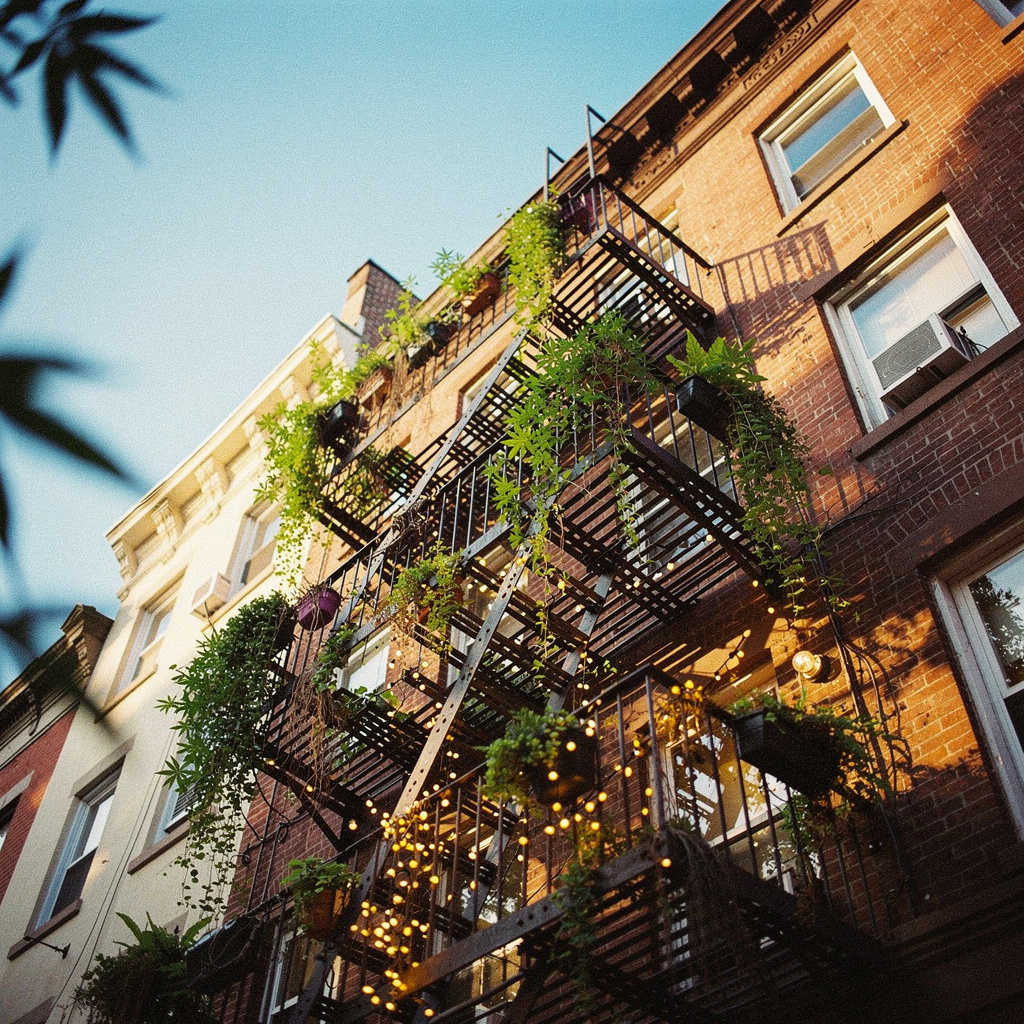
Where NYC’s Creative Scene Scores the Best Weed: A Neighborhood Guide
NYC’s creative community has always operated at the intersection of culture and pragmatism. Today’s artists, musicians, and makers access quality weed…
04/13/2026|admin
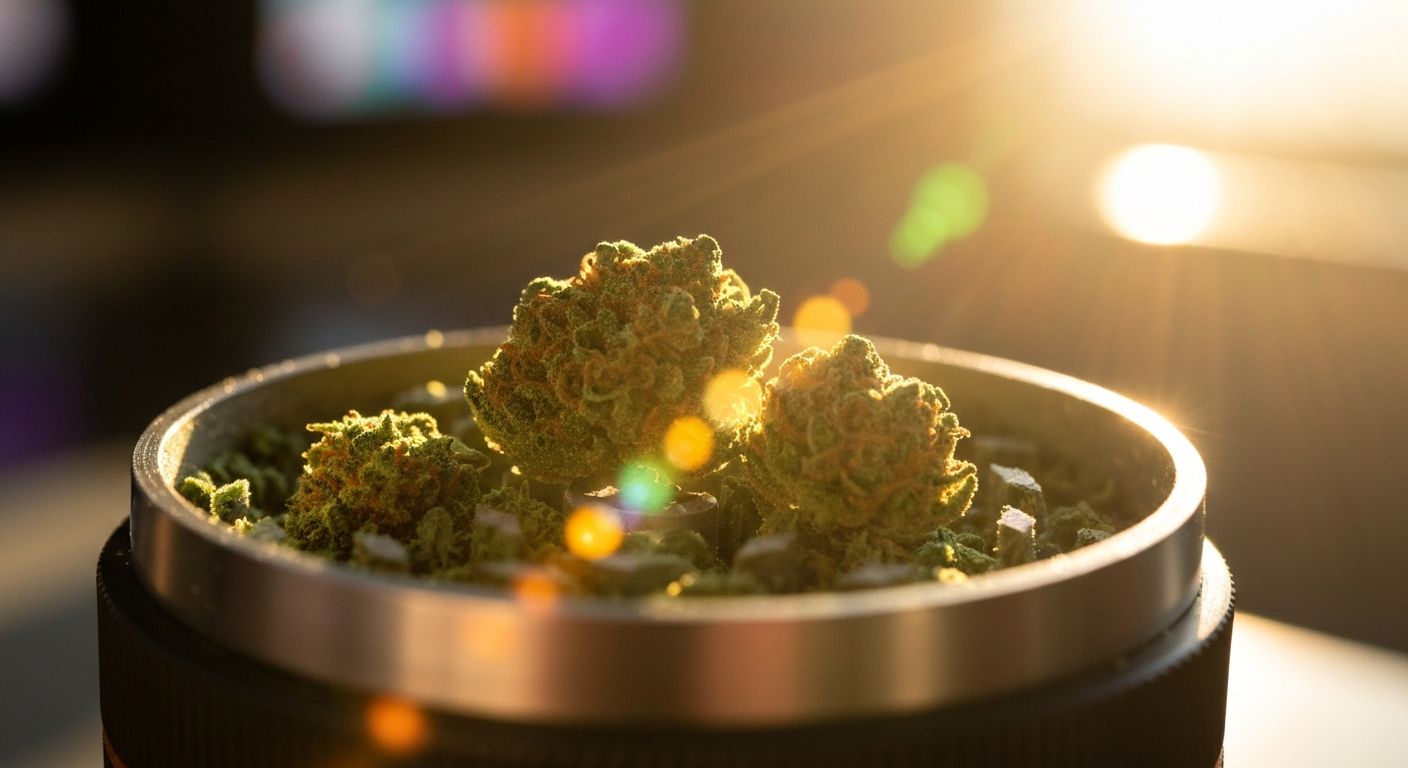
NYC’s creative community connects through neighborhood cannabis dispensaries like The Flowery, where artists, musicians, writers, and designers converge. The Flowery’s 12 NYC locations anchor neighborhoods as community hubs—especially in creative enclaves like Williamsburg, East Village, and Soho—offering both products and genuine spaces for creative community building.
Cannabis legalization did something unexpected in NYC: it transformed dispensaries from furtive transactions into neighborhood gathering spaces. The Flowery is evidence of this shift.
Walk into The Flowery on any given day, and you’re seeing something genuine. Artists and musicians browsing products. Designers chatting with budtenders about strain effects. Writers picking up edibles for creative sessions. Photographers talking to staff about which products pair well with collaborative shoots. It’s not corporate transaction-based retail; it’s community infrastructure embedded in neighborhoods where creative culture thrives.
This matters because creative communities need gathering points. Coffee shops serve this function. Art galleries do. So do music venues and creative studios. But there’s something specific about cannabis dispensaries that makes them natural community nodes: they’re accessible, they’re intimate (conversations with budtenders are inherently personal), and they serve a shared interest that transcends industry or discipline.
The Flowery understands this. They’ve positioned their 12 locations deliberately in NYC’s most creative neighborhoods. Williamsburg isn’t random. East Village isn’t random. Soho, Chinatown, West Village—these are places where creative communities actually live and work. The Flowery is part of neighborhood infrastructure in ways big-box retail never could be.
Williamsburg is the obvious starting point. No neighborhood in NYC has been more central to the post-2000s creative migration.
The Flowery’s Williamsburg location sits in the heart of where visual artists, musicians, and emerging creative talent clustered. Go there on any given day, and you’re seeing that community flow through. Young painters grabbing products before studio sessions. Musicians between rehearsals. Photographers picking up edibles for all-night shoots. The Flowery staff knows these people. They know their preferences, their creative schedules, their communities.
Williamsburg’s creative culture has matured over two decades from art-school-dropout cheap-rent haven to established creative economy. The Flowery’s presence acknowledges that maturation. This isn’t fringe counterculture; it’s mainstream creative infrastructure. Established creative professionals, not just young experimenters, shop at The Flowery in Williamsburg.
The community aspect creates loyalty that transcends transaction. Regular Williamsburg creatives develop relationships with Flowery staff. They discuss new product arrivals. They get early notice when rare strains drop. They’re part of a community that gathers around quality cannabis and authentic connection.
The East Village’s relationship with creative culture is older than Williamsburg’s—the neighborhood has been underground cultural incubator for decades. But it was always subcultural, underground, marginalized. Cannabis legalization changed that.
The Flowery’s East Village location sits in a neighborhood where experimental theater, underground music, alternative visual art, and boundary-pushing creative expression are neighborhood baseline. The community that shops there reflects that. Experimental musicians. Avant-garde theater artists. Boundary-pushing visual creators. Writers working on unconventional projects.
In East Village, The Flowery is infrastructure for a creative community that’s always existed but was always operating in the margins. Cannabis legalization and The Flowery’s presence mainstream that without diluting it. The creative culture of East Village remains experimental, but now it has legitimate retail space embedded in the neighborhood.
The social effect is subtle but real. Creative communities thrive on connection—sharing ideas, collaborating, finding kindred energy. The Flowery’s East Village location becomes a node where that connection happens. You run into the experimental musician you collaborated with last year. You meet a visual artist working in similar conceptual space. You exchange ideas with writers. The Flowery facilitates these encounters.
The Flowery’s reach extends beyond Williamsburg and East Village into other NYC creative neighborhoods, each with distinct character.
Soho’s creative population skews toward fashion, design, and commercial creative work. Photographers, fashion designers, commercial photographers, and brand creatives populate this neighborhood. The Flowery’s Soho location serves a different creative demographic than Williamsburg—older, more established, more commercial-adjacent—but equally embedded in creative infrastructure.
West Village’s creative community is older-school—jazz musicians, writers, experimental creatives with deeper NYC roots. The Flowery’s West Village location connects to that legacy while acknowledging contemporary creative culture. It’s part of neighborhoods with deep creative history.
Chinatown’s creative culture is emerging—younger artists priced out of other neighborhoods, experimental communities, alternative creative spaces. The Flowery’s Chinatown location acknowledges this neighborhood’s growing creative importance while remaining part of traditional community retail infrastructure.
Each location serves its neighborhood specifically. The Flowery isn’t one-size-fits-all corporate chain; each location reflects the actual creative communities around it.
Budtenders at The Flowery do more than sell products. In creative-heavy neighborhoods, they’re community facilitators.
Good budtenders remember creative regulars. They learn what kind of work you do. They understand the creative rhythms of their neighborhood. They know which products creatives prefer. They become nodes of connection themselves—they know people, they remember names, they make introductions when appropriate.
“Oh, you’re a visual artist? Let me introduce you to [name of another visual artist who shops here regularly]. You two should talk.” That’s community building. That’s what makes The Flowery more than retail.
Budtenders in creative neighborhoods become informal curators of knowledge about local creative scenes. They know who’s exhibiting where, who’s performing when, where creative community gathers. They share information. They become embedded in neighborhood culture in ways corporate retail never does.
This creates genuine loyalty. You come back to The Flowery not just for products but for connection. Your budtender remembers you. They know your work. They have recommendations based on understanding you and your creative practice, not generic customer profiles.
The Flowery’s neighborhood locations naturally become gathering spaces for creative communities.
Formal events—artist talks, musician performances, creative workshops—create deliberate community. But informal gathering matters equally. Regular creative people shopping at The Flowery, running into each other, sharing information about upcoming exhibitions or collaborative opportunities.
The Flowery’s loyalty program, combined with regular community presence, creates conditions for genuine community building. You come in regularly, see familiar faces, have conversations that extend beyond transaction. You become part of a community that gathers around cannabis and creative culture.
This is different from national chain retail, which actively works against community. The Flowery’s neighborhood positioning supports the opposite. Regular presence, staff familiarity, neighborhood embeddedness—these create actual community nodes.
Same-day delivery might seem purely utilitarian, but it’s also community infrastructure.
Delivery drivers become neighborhood fixtures. They’re known in their delivery zones. They become another node of neighborhood cannabis community. A delivery driver knows which streets have artists, which buildings house musicians, which creative communities they’re serving.
For creatives, delivery means you don’t lose creative momentum traveling to a dispensary. You’re in the middle of a productive session, you order, delivery arrives within an hour, you continue working. The Flowery’s infrastructure supports creative productivity while remaining part of neighborhood community.
Neighborhood delivery also keeps money circulating locally. You’re not traveling to a big-box chain; you’re ordering from neighborhood infrastructure. The Flowery employees, including delivery drivers, are people you might see regularly, know by name, develop actual relationships with.
Legalization fundamentally changed how cannabis community could function. Before legalization, cannabis gathering was explicitly countercultural, underground, subcultural. Legalization allows cannabis communities to operate openly as mainstream cultural infrastructure.
For creative communities, this matters. Cannabis has always been part of creative culture—that’s not new. But now cannabis communities can operate openly, as neighborhood businesses, embedded in community infrastructure, without legal risk.
The Flowery represents that shift. It’s a legal business operation that simultaneously facilitates genuine community connection around cannabis. It’s possible only because of legalization, but it’s also an authentic expression of what legalized cannabis can enable—community infrastructure that wasn’t possible before.
NYC’s creative community doesn’t need cannabis to be creative. But legalized cannabis, embedded in neighborhood infrastructure like The Flowery, creates community gathering possibilities that didn’t exist before. That’s the genuine cultural shift legalization enabled.
Q: Is The Flowery actually a community gathering space, or just retail?
A: The Flowery functions as both. It’s retail—you buy products. But in creative neighborhoods, it’s also community infrastructure. Regular creative customers develop relationships with staff, encounter other creatives, and participate in neighborhood-based community around cannabis. It becomes what communities make of it.
Q: How do I connect with other creative professionals at The Flowery?
A: Visit regularly, be open to conversations with staff and other customers, participate in any community events or gatherings, and engage authentically with the neighborhood. The Flowery itself doesn’t force connection, but regular presence creates natural opportunities for it.
Q: Are creative professionals actually shopping at The Flowery?
A: Yes. The Flowery’s locations in creative neighborhoods like Williamsburg, East Village, Soho, and West Village attract creative professionals. Walk in and you’ll likely see artists, musicians, writers, and designers shopping there. Staff in these locations know and serve creative communities specifically.
Q: Do Flowery budtenders understand creative communities and creative cannabis needs?
A: In neighborhood locations with established creative communities, yes. Flowery staff in Williamsburg, East Village, Soho understand the creative professionals they serve. They know which products creatives prefer, understand creative schedules, and can recommend accordingly. It varies by location based on actual neighborhood character.
Q: How does The Flowery compare to other NYC dispensaries for creative community?
A: The Flowery’s strength is neighborhood embeddedness. They’ve positioned locations deliberately in creative neighborhoods and staffed them with people who know those communities. That positioning and local focus creates genuine community infrastructure that chain dispensaries can’t match.
Q: Can I find specific creative professionals through The Flowery?
A: Not formally. But regular presence at your neighborhood Flowery location, combined with genuine engagement with staff and other customers, creates natural opportunities to meet creative people. Community connection emerges organically from regular presence, not through structured networking.
Q: Does The Flowery host events for creative communities?
A: That varies by location. Check with your nearest Flowery location about community events, artist gatherings, or other programming they might host. Many locations are exploring how to serve creative communities beyond retail, but specifics depend on individual locations.
Q: Is cannabis a necessary part of NYC creative culture?
A: No. Creative culture thrives with or without cannabis. But legalized cannabis has become infrastructure for community gathering in creative neighborhoods. The Flowery’s role is as gathering space that serves existing creative communities, not as something that enables creativity itself.
NYC’s creative community has always operated at the intersection of culture and pragmatism. Today’s artists, musicians, and makers access quality weed…
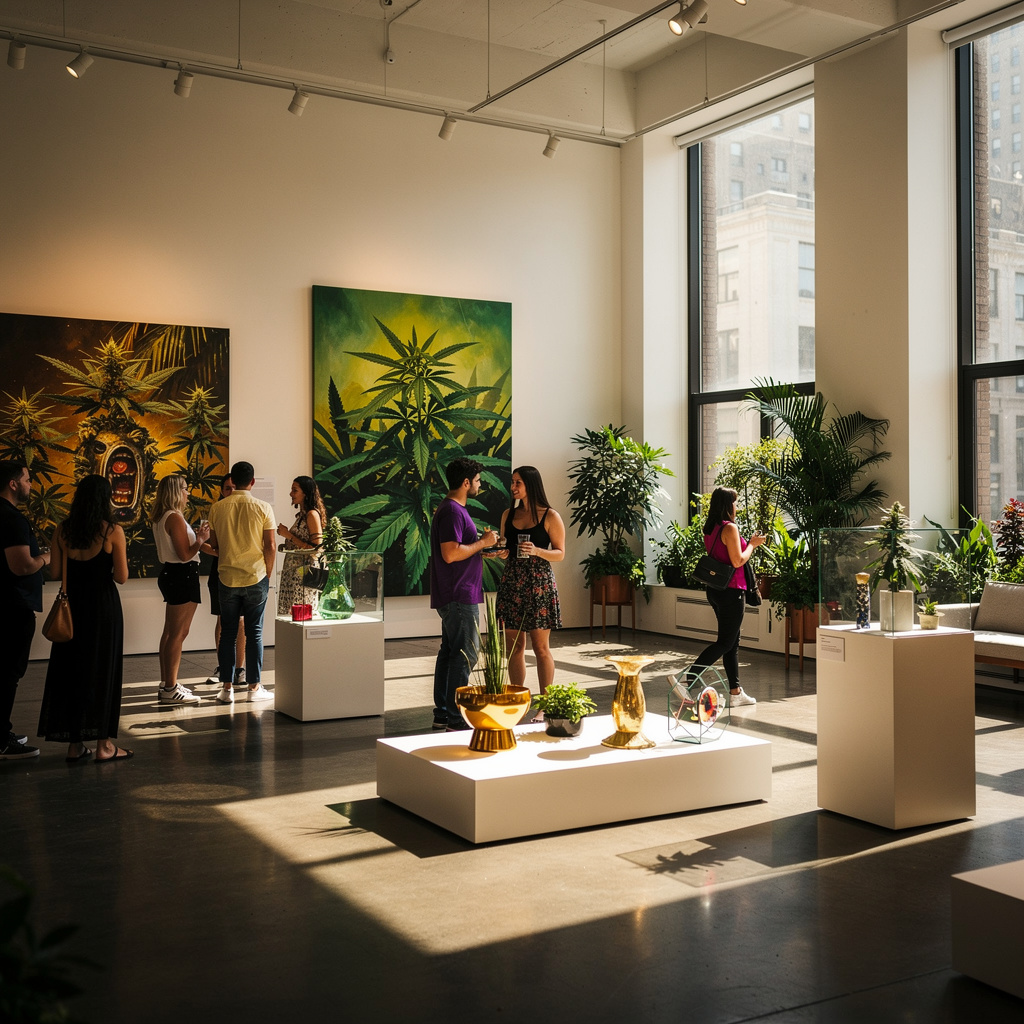
The creative community in NYC – musicians, visual artists, performers, writers, designers, filmmakers – has always had a complicated relationship with…
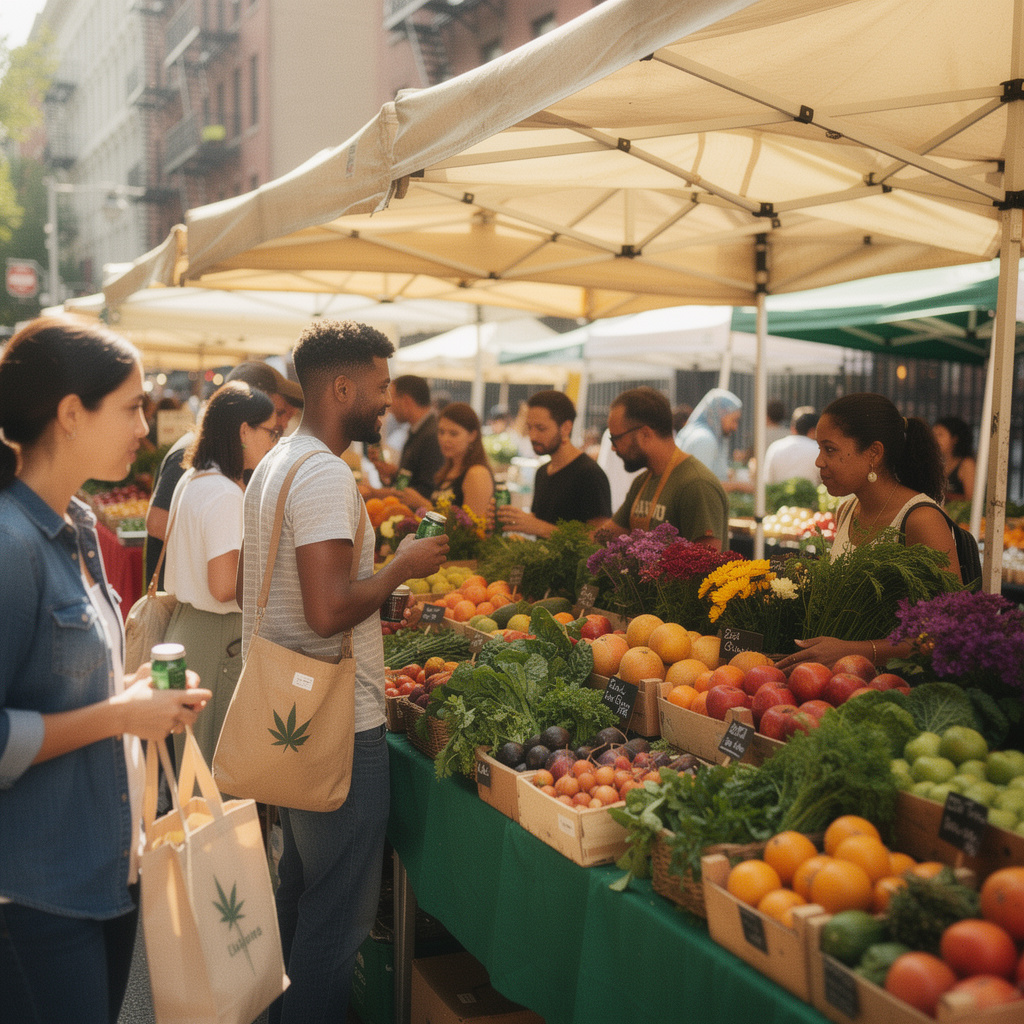
How Health-Conscious Explorers Can Maximize Community Connection Location Focus: NYC (All 12 Locations) Updated: April 2026 Quick Answer Health-consci…