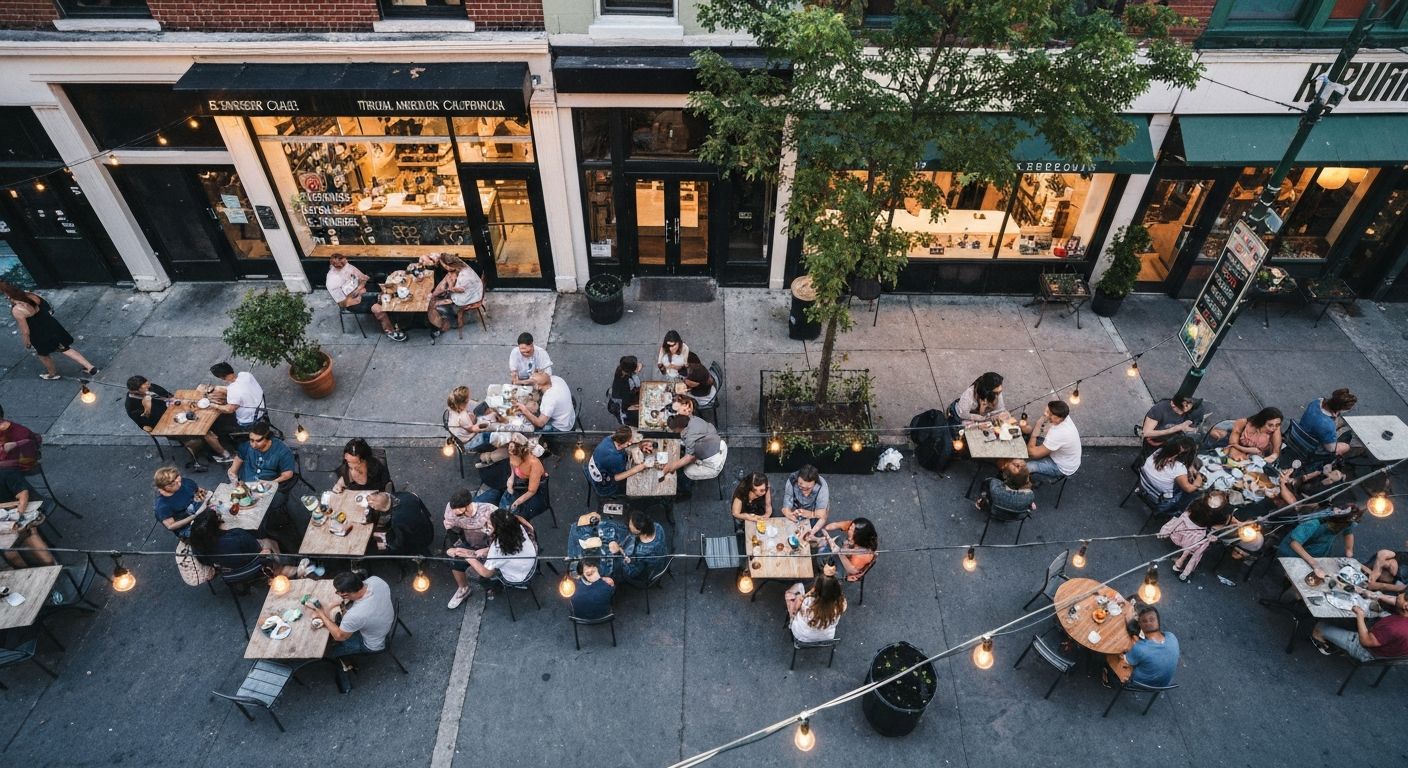
The Connoisseur’s Guide to NYC Weed Community and Culture
You’ve moved past the “what strain should I try” phase years ago. You know your terpene preferences, you can identify a proper cure by touch, and you’…
04/30/2026|admin
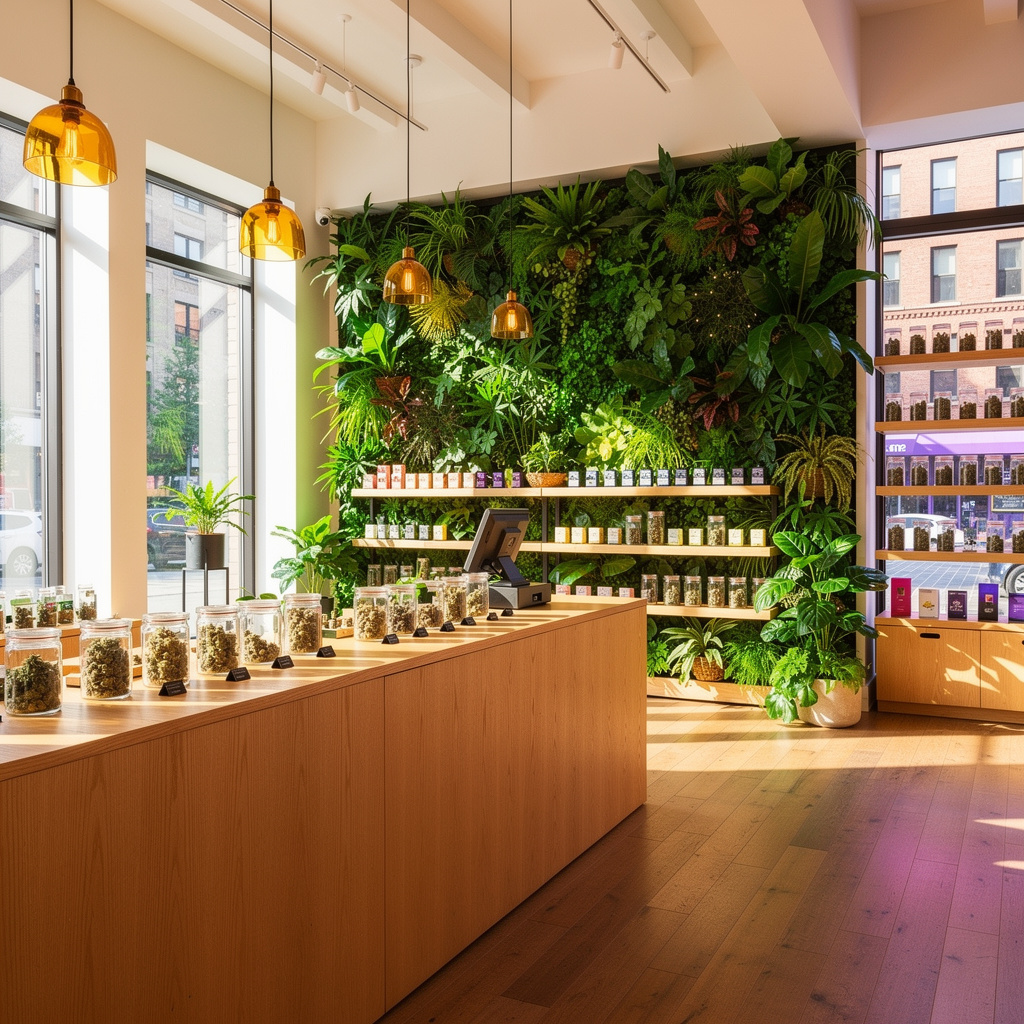
Seasoned weed smokers evaluate dispensary design the way sommeliers evaluate a wine bar – every detail reveals whether the operation is serious or performative. The Flowery’s stores earn repeat visits from experienced customers because of intentional choices in product organization, terpene visibility, display curation, and a total absence of the played-out stoner aesthetic that plagues most of the NYC market.
When you have been buying weed for years – maybe decades – the shopping environment communicates something before a single budtender opens their mouth. A well-designed dispensary tells you the ownership understands the plant, respects the customer, and is investing in the experience beyond the minimum required to move product. A poorly designed one tells you they are cashing in on a license and hoping foot traffic does the work.
Experienced smokers are not window shopping. They are looking for specific things: strain lineage information, terpene profiles, harvest dates, cannabinoid percentages beyond just THC. The physical store needs to surface that data without requiring you to flag down staff and interrogate them. According to Headset cannabis analytics, repeat customers account for the majority of dispensary revenue in mature markets. The stores that keep those customers coming back are the ones designed for people who already know what they want and need efficient access to the details that inform their decisions.
The first ten seconds tell the whole story. Here is what experienced pot smokers are scanning for, whether they realize it or not:
The Flowery’s SoHo location nails every one of these. The design reflects the neighborhood’s gallery aesthetic – clean lines, warm lighting, and product displays that invite close inspection rather than rushing you past.
This is where most NYC dispensaries fail experienced customers. They put flower in jars behind glass, slap a strain name and THC percentage on a card, and call it done. That is like a wine shop listing only the grape variety and alcohol content. It tells you almost nothing about the actual experience.
A connoisseur-level dispensary presents strains with context. You should be able to see or easily access:
| Information | Why It Matters | How Often Visible in NYC |
|---|---|---|
| Terpene profile | Determines flavor and effect nuance | Rarely displayed openly |
| Grower/cultivator | Quality varies by who grew it | Sometimes on packaging |
| Harvest date | Freshness affects potency and flavor | Almost never shown |
| Lineage/genetics | Predicts effects beyond indica/sativa | Occasionally on label |
| Cannabinoid breakdown | Full spectrum matters, not just THC | Usually THC only |
The Flowery stocks brands like Runtz and Packs that provide detailed strain information on their packaging. But the store design itself makes that information browsable. You can examine products closely, compare options side by side, and take your time without feeling like you are holding up a line. That display philosophy is what separates a dispensary designed for connoisseurs from one designed for volume.
More than most people think, and connoisseurs notice it immediately. Weed is a visual product. The color of the bud, the density of the trichomes, the vibrancy of the pistils – these are quality indicators that experienced smokers evaluate with their eyes before anything else. Harsh fluorescent lighting washes out color and makes everything look the same. Warm, directional lighting reveals the actual character of the flower.
The Flowery uses lighting that flatters the product without misrepresenting it. Their display cases are lit to show true color, which means the deep purples of a grape-lineage strain actually look purple, and the frosty trichome coverage on a well-grown OG is visible without squinting. This is not vanity – it is functional retail design for a product where visual inspection is part of the buying process. The Leafly guide to evaluating flower quality confirms that visual cues like trichome density and color are reliable indicators of cannabinoid and terpene content.
Walk into any of The Flowery’s locations and compare the lighting to the average NYC dispensary. The difference is stark, and it is intentional.
Floor layout determines whether you feel like a valued customer or a number. The worst dispensary layouts funnel everyone through a single path – past the checkout, past the impulse buys, out the door. That works for a fast-food restaurant, not for a place where your customers want to spend time comparing concentrates against vaporizers against top-shelf flower.
Connoisseur-friendly layouts offer zones. You can spend ten minutes in the flower section without blocking someone who just wants to grab pre-rolls and leave. There is space to have a real conversation with a budtender about a new strain drop without whispering over a crowded counter. The best dispensary layouts create the feeling of a specialty shop where browsing is encouraged, not merely tolerated.
The Flowery’s stores give experienced customers room to do what they actually came to do – evaluate product with care, compare options, ask detailed questions, and make informed decisions. The layout says “take your time” rather than “move along.” For connoisseurs who have been buying pot longer than half the staff has been alive, that respect is noticed and appreciated.
Good design gets the basics right – clean, organized, well-lit. Great design communicates a philosophy about weed itself. It says the people who built this store think about the plant the same way you do. They care about quality, they respect the culture, and they are not embarrassed to be in the weed business.
Great dispensary design also evolves. The New York cannabis market is still young, and the stores that will dominate long-term are the ones iterating on their physical spaces based on how real customers actually shop. The Flowery’s shop and in-store experience reflect this kind of thinking – not a static retail template, but a living space that gets better as the team learns what their most dedicated customers value.
For the connoisseur, the dispensary is not just where you buy weed. It is part of the experience. And when the design is right, you feel it before you light anything up.
Why do experienced weed smokers care about dispensary design?
Design communicates whether a dispensary understands its products and respects its customers. Experienced smokers need efficient access to strain details, terpene profiles, and product comparisons. Poor design forces them to work harder for information they should be able to see at a glance.
What is the biggest design mistake NYC dispensaries make?
Leaning into stoner stereotypes. Rasta colors, pot leaf decor, and black-light rooms signal that a store is targeting tourists or first-timers, not experienced customers. The most respected dispensaries use clean, modern design that lets the product speak for itself.
How important is terpene visibility in a dispensary?
Extremely important for connoisseurs. Terpenes determine the nuanced effects and flavor of each strain. Dispensaries that display terpene profiles openly attract knowledgeable customers who make purchasing decisions based on that data rather than THC percentage alone.
Does lighting really affect how weed looks in a store?
Yes. Fluorescent lighting washes out the natural colors of flower and makes it difficult to assess trichome density, bud structure, and overall quality. Warm, directional lighting reveals true color and helps experienced buyers evaluate product visually before purchasing.
What should a dispensary floor layout feel like for experienced shoppers?
It should feel like a specialty shop, not a checkout line. Experienced customers want zones for different product categories, space to browse without feeling rushed, and room for detailed conversations with knowledgeable staff.
How many dispensary locations does The Flowery have?
The Flowery operates 12 locations across New York City, each designed to reflect its specific neighborhood. This includes stores in Brooklyn, Queens, SoHo, the East Village, the West Village, the Upper West Side, the Bronx, Chinatown, and Staten Island.
You’ve moved past the “what strain should I try” phase years ago. You know your terpene preferences, you can identify a proper cure by touch, and you’…
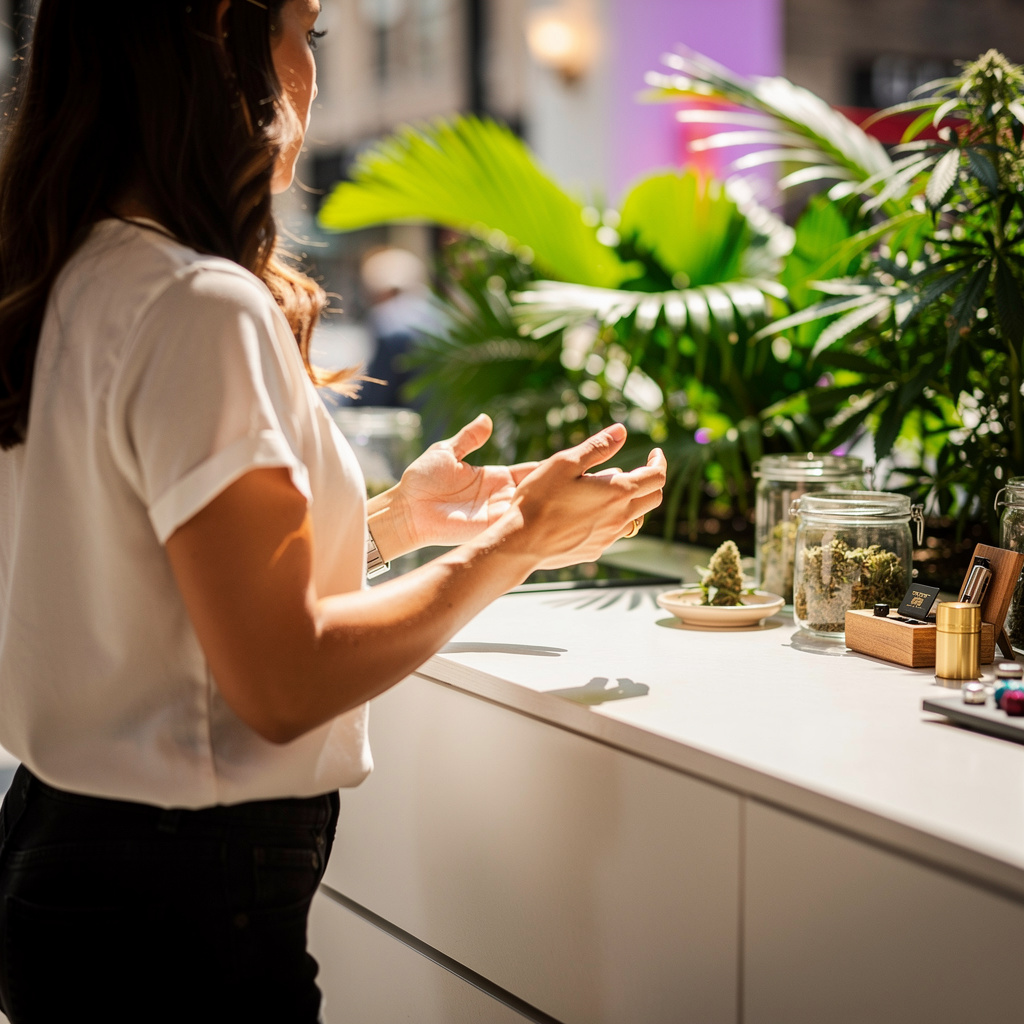
Experienced cannabis enthusiasts demand staff who actually know the plant—terpene profiles, grower philosophies, batch variations, and subtle effects.…
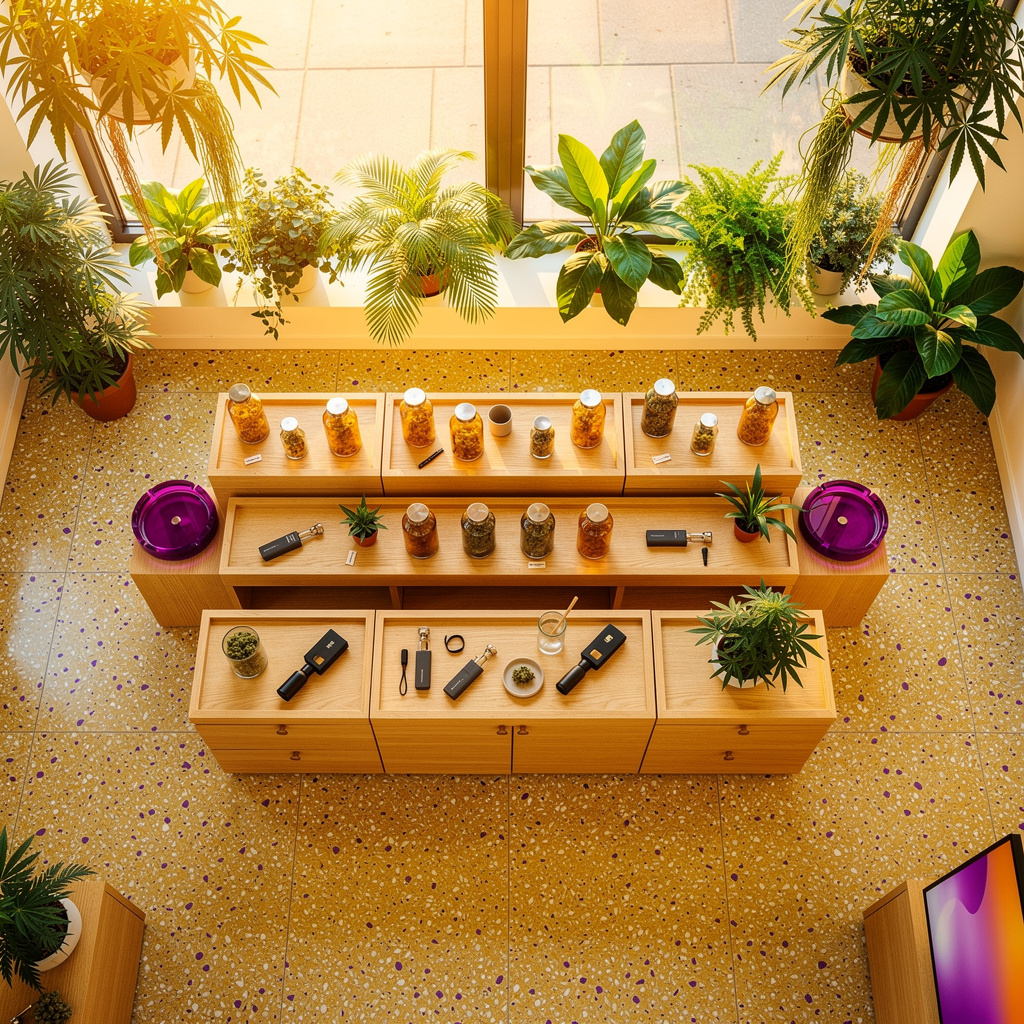
If you’ve been smoking weed long enough to know the difference between a proper cure and a rushed one, you already know that most NYC dispensaries tre…