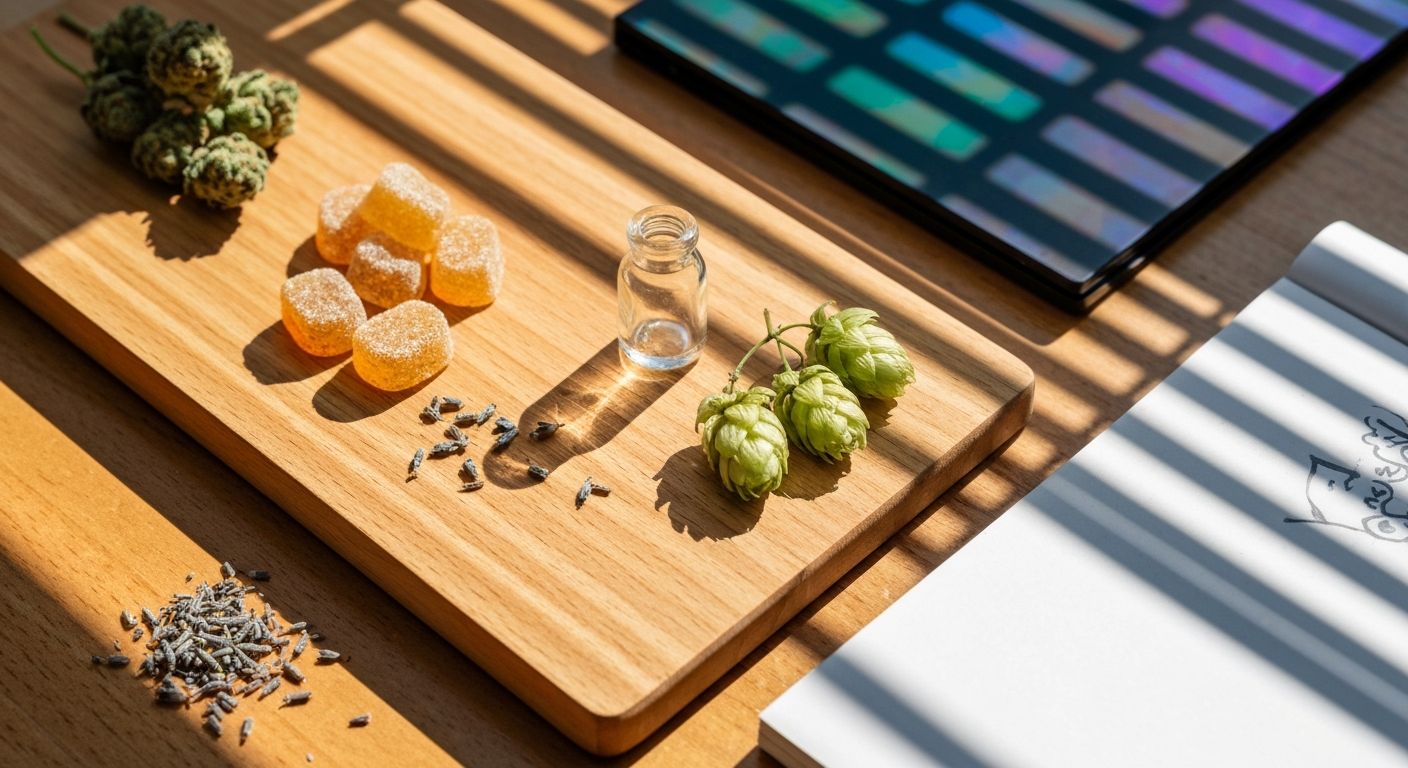
That top-shelf eighth sitting behind the glass at $65 looks identical to the $40 option two rows down. Same general color, same crystal coverage to the naked eye, same confident label design. So what exactly are you paying for when you reach for the premium option, and is it actually worth it?
This is not a question for beginners. If you are new to legal weed in NYC, almost everything on a licensed dispensary shelf is going to be a dramatic upgrade from whatever you were smoking before. But if you have been at this for years – if you know your terps, if you can identify a poor cure by touch, if the word “mids” makes you physically recoil – then the premium question becomes genuinely interesting.
Here is an honest, no-hype breakdown of what premium weed actually delivers, when it is worth the extra money, and when you are paying for packaging more than product.
Defining the Tiers: What Are We Actually Comparing?
Before diving into whether premium is worth it, we need to agree on what the tiers actually mean. NYC dispensary pricing generally breaks into three buckets:
| Tier | Typical Eighth Price | What to Expect |
|---|---|---|
| Value | $25 – $35 | Solid genetics, machine-trimmed, adequate cure, functional but not memorable |
| Mid-Tier | $36 – $50 | Good genetics, hand-trimmed, proper cure, enjoyable terpene profile |
| Premium | $51 – $70+ | Top genetics, hand-trimmed, slow-cured, rich terpene expression, small-batch |
These ranges shift depending on the dispensary, the brand, and market conditions. But in general, this is the landscape at most licensed NYC dispensaries right now.
What Premium Weed Actually Gets You
Genetics and Breeding
Premium flower almost always comes from carefully selected genetics. This does not just mean popular strain names – it means specific phenotype selections from proven cultivars. A grower might run fifty seeds of a strain, find three phenotypes worth keeping, and select one for its terpene production, structure, and effect profile.
Brands like Cookies and Packs built their reputations on genetic selection. When you buy premium flower from a brand that invests in breeding, you are paying for years of selection work that produced that specific plant.
Value tier flower, on the other hand, tends to come from widely available genetics grown at scale. The strain might be the same name on paper, but the phenotype selection, the growing conditions, and the attention to individual plants differ substantially.
Cure and Post-Harvest Handling
This is where premium separates itself most dramatically, and where the money genuinely shows.
A proper slow cure takes two to four weeks minimum, sometimes longer. During that time, chlorophyll breaks down, harsh compounds off-gas, and terpenes develop complexity. It is the difference between a wine that aged properly and one that was bottled too early.
Value tier weed is often dried quickly and packaged fast to keep up with production volume. It is not bad – it gets the job done. But the smoke is harsher, the flavor is flatter, and the ash burns darker. If you have ever wondered why some weed burns white and smooth while other weed crackles and leaves black ash, cure quality is usually the answer.
Terpene Richness and the Entourage Effect
Premium flower typically tests higher in total terpene content. This is partly genetics and partly post-harvest handling – terpenes are volatile compounds that degrade with heat, rough handling, and time.
According to discussions on r/NYCCannabis, experienced smokers consistently report that terpene-rich flower provides a more nuanced, enjoyable high compared to flower that tests high in THC but low in terpenes. The entourage effect – the interaction between cannabinoids, terpenes, and other compounds – is increasingly backed by research as a real phenomenon.
This is perhaps the strongest argument for premium: you are not just getting stronger weed, you are getting more complex weed. And complexity is what separates a good experience from a great one.
Bag Appeal and Physical Quality
Let’s be honest about this one. Premium weed looks better. Denser trichome coverage, tighter trim, more vibrant colors, bigger buds instead of popcorn nugs. Does it affect the smoke? Sometimes. Dense trichome coverage does correlate with higher cannabinoid and terpene content. But a lot of bag appeal is cosmetic.
If you are someone who appreciates the ritual – breaking up a beautiful bud, smelling the jar, inspecting the structure – then bag appeal has real value. If you just want to get where you are going, bag appeal is the most overpriced element of premium weed.
When Premium Is Absolutely Worth It
Special occasions and connoisseur sessions. When you are smoking with people who appreciate quality, or when you want to treat yourself, premium delivers an experience that mid-tier cannot match. The flavor, the smoothness, the complexity of the high – these things matter when you are paying attention to them.
Concentrates and extracts. This is where going premium makes the biggest practical difference. Premium concentrates and live resin made from top-shelf starting material taste dramatically better than budget extracts. The input material defines the output, and there is no hiding behind technique when the starting flower was mediocre.
When you smoke small amounts. If you go through an eighth in a week or more, the per-session cost difference between premium and mid-tier is negligible. A $65 eighth that lasts you ten sessions costs $6.50 per session. A $40 eighth that lasts the same duration costs $4 per session. For $2.50 more per session, you get a noticeably better experience.
Trying a new brand or strain. When exploring brands like MFNY or Jeeter for the first time, starting with their premium offering gives you the best representation of what that brand is capable of. Judging a brand by its value line is like judging a restaurant by its cheapest dish.
When Mid-Tier Delivers 90% of the Experience
Daily drivers. If you smoke every day, buying premium for every session gets expensive fast. A solid mid-tier flower from a reputable brand can be your everyday choice while you save premium purchases for when you want to elevate.
Rolling and blunts. If you are rolling blunts or joints, the wrap or paper introduces its own flavor. The subtle terpene differences between premium and mid-tier get partially masked. You still benefit from better cure quality, but the ROI on premium drops when it is wrapped in tobacco leaf.
Edibles you are making at home. Decarboxylation and infusion destroy most terpenes anyway. If you are cooking with weed, buy on THC percentage per dollar, not on premium status.
Social smoking with casual consumers. If you are sharing with people who cannot tell the difference between a hand-trimmed top cola and machine-trimmed popcorn, save your premium stash for people who will appreciate it.
The Price-Per-Quality Sweet Spot
Here is where years of buying weed in NYC teaches you something useful: the sweet spot sits at the upper end of mid-tier, right around $45 to $52 per eighth.
At this price point, you typically get:
- Hand-trimmed flower with good structure
- Proper cure with smooth smoke
- Decent terpene expression
- Genetics from reputable breeders
- Smaller-batch production without the boutique markup
This is where The Flowery tends to stock some of its most interesting options. The mid-premium overlap zone is where brands compete hardest on quality because they know their customers are paying attention. Shopping this range at locations like the SoHo dispensary or the West Village spot gets you access to staff who can point you toward the best value-to-quality products on the shelf.
The Real Question Is How You Smoke
Premium worth is not universal – it is personal. It depends on:
- How often you smoke. Daily smokers feel the price difference more acutely
- How you consume. Vaporizer users taste more nuance and benefit more from premium
- Who you smoke with. Solo sessions where you are savoring every hit reward quality
- Your palate development. The more experienced your palate, the more premium justifies itself
The NYC market is maturing. According to the Office of Cannabis Management, the number of licensed cultivators and processors continues to grow, which means more competition and more options across every price tier. This is good for connoisseurs – it means premium brands have to actually deliver to justify their pricing, and mid-tier brands are raising their quality to compete.
How Loyalty Programs Change the Math
One factor that shifts the premium calculation is loyalty programs. If you are earning points on every purchase and redeeming them for discounts, the effective cost of premium drops.
The Flowery’s loyalty program, for example, rewards repeat customers in a way that makes reaching for the top shelf more financially sustainable. If your loyalty discount effectively brings a $60 eighth down to $50, you are suddenly in that sweet spot without compromising on quality.
Smart connoisseurs stack loyalty rewards, keep an eye on drops and new arrivals, and know that the best time to try premium is when incentives align. This is not about being cheap – it is about being strategic with your spending so you can afford to smoke well consistently.
The Honest Answer
Premium weed is worth it when you can taste the difference, appreciate the difference, and afford the difference without it changing how often you smoke. If buying premium means you smoke less often, you are probably better off with excellent mid-tier that you can enjoy daily.
The sweet spot for most NYC connoisseurs is a rotation: mid-tier for the everyday, premium for the moments that matter. And honestly, at today’s NYC dispensary quality levels, even the mid-tier is better than anything the unlicensed market was offering five years ago.
Buy smart. Smoke well. Know the difference.
Frequently Asked Questions
Is premium weed actually stronger than cheaper options?
Not necessarily. THC percentage does not always correlate with price tier. Premium weed often has higher total terpene content and better cure quality, which creates a more complex and enjoyable experience, but raw potency alone is not what you are paying for.
What is the biggest quality difference between premium and mid-tier weed?
Cure quality. A properly slow-cured flower smokes smoother, tastes better, and burns cleaner than flower that was dried and packaged quickly. This single factor affects flavor, harshness, ash color, and overall enjoyment more than any other variable.
How can I tell if premium weed is actually premium before buying?
Look for terpene percentages, harvest or packaging dates, and named cultivators. If the label just says the strain name and THC percentage with no other details, you may be paying a premium price for mid-tier product. Transparency in labeling is a strong quality signal.
Should I always buy the most expensive option at a dispensary?
No. The most expensive option reflects production cost, brand positioning, and perceived value – not always actual quality. The $45 to $52 range often delivers the best quality relative to price for flower in the NYC market.
Does premium matter more for flower or concentrates?
Concentrates. The quality of the starting material has an outsized impact on the final concentrate product. Premium live resin or rosin made from top-shelf flower tastes dramatically different from budget concentrates made from trim or lower-quality material.
Is it worth buying premium weed for edibles?
Generally not. Decarboxylation and the infusion process destroy most of the terpenes that make premium flower special. For edibles, prioritize THC content per dollar. Save premium flower for smoking or vaporizing where you can taste the difference.
How do loyalty programs affect whether premium is worth it?
Loyalty programs can meaningfully reduce the effective cost of premium products. Earning and redeeming points on premium purchases can bring the per-unit cost down into the mid-tier range, making premium more accessible for regular consumers.
Will premium weed prices come down as the NYC market matures?
Competition tends to drive prices down over time. As more cultivators enter the market and production scales up, premium quality should become available at lower price points. The mid-tier of today may be what value tier looked like two years ago.