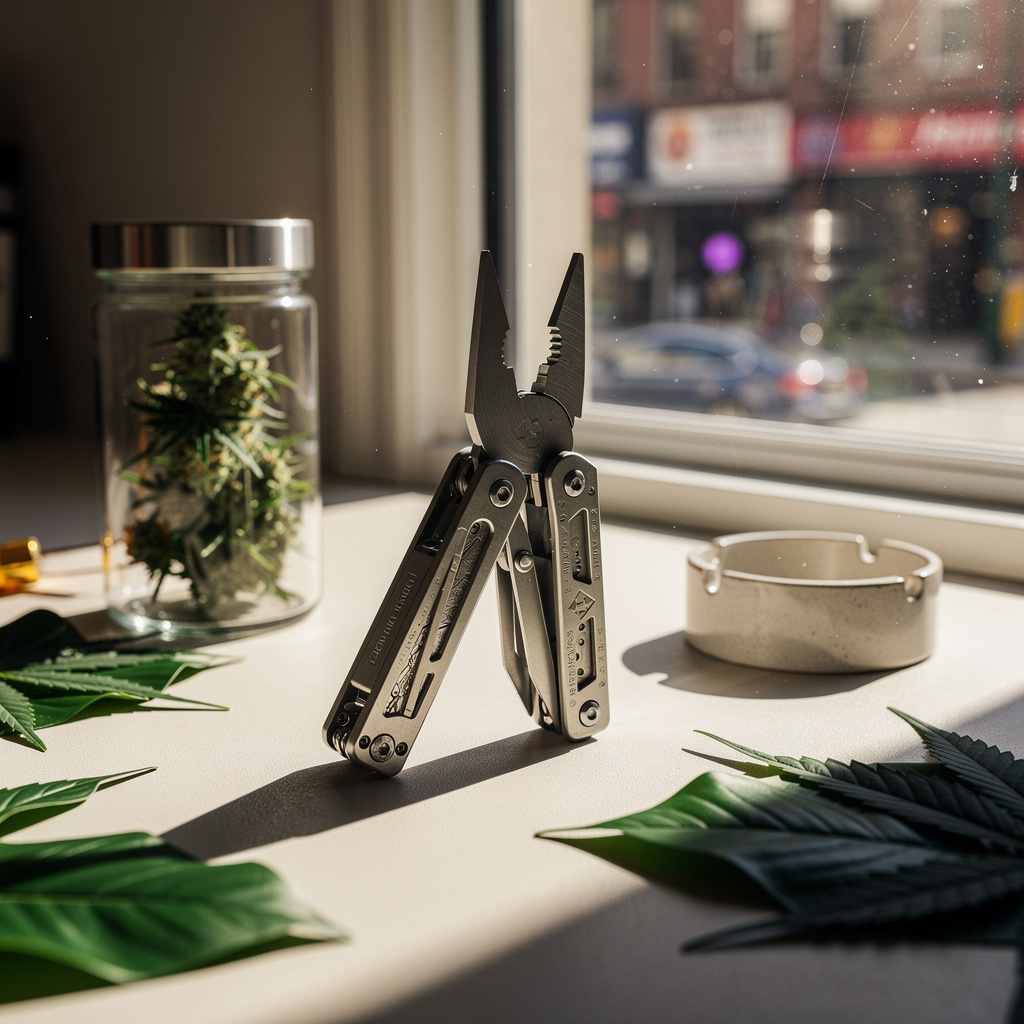
You’ve discovered microdosing—taking small, consistent amounts of cannabis to enhance focus, creativity, and calm without the heavy effects. Now comes the challenge: navigating a universe of products, THC/CBD ratios, and consumption methods to find what actually works for your workday. The variety at modern dispensaries is overwhelming, but it’s also your greatest advantage. Here’s how to systematically explore The Flowery’s product range and build a microdosing toolkit that fits your professional life.
Why Microdosing Requires Strategic Product Variety
Microdosing isn’t one-size-fits-all. According to the 2025 Journal of Cannabis Research, 62% of professionals using cannabis for productivity found success only after testing 3+ different products or consumption methods. That’s because microdosing effectiveness depends on cannabinoid profile, terpene composition, onset time, and duration—variables that change dramatically across product types.
The Flowery’s range across 12 NYC locations includes flower, pre-rolls, edibles, concentrates, and tinctures, each with distinct pharmacokinetics. A 5mg edible hits differently than a microdosed vape hit. A CBD-dominant flower affects your productivity differently than a balanced THC/CBD blend. The goal isn’t trying everything; it’s strategically sampling to identify what syncs with your body chemistry and daily rhythm.
Productivity professionals specifically benefit from variety because work demands vary. A Monday morning brainstorm session needs something different than Thursday afternoon focus work or Friday wind-down collaboration. Having 2-3 trusted products in rotation, each suited to specific scenarios, transforms cannabis from a recreational indulgence into a professional tool.
Foundational Checklist: Start With These Product Categories
Before diving into specific strains, understand the architecture of options available at The Flowery:
Flower & Pre-Rolls: Fastest onset (5-15 minutes for microdosing), most forgiving for dose control if you take one or two light hits. Best for professionals who can step outside briefly. Effect duration: 1-3 hours.
Edibles (Low-Dose): Slower onset (45-120 minutes), longer duration (4-8 hours), consistent dosing (read: no guesswork once you know your dose). Best for professionals planning a long workday or afternoon session. The Flowery carries 2.5mg, 5mg, and 10mg options.
Tinctures: Fastest onset after inhalation (15-30 minutes), sublingual dosing provides precision, no smell. Best for discreet microdosing at your desk or during meetings. Effect duration: 3-5 hours.
Vape Cartridges: Clean onset (5-10 minutes), precise dose control, minimal odor, discreet. Popular with professionals who want consistency without flower’s variability. Effect duration: 1-3 hours.
Concentrates (Dabs): Requires equipment and technique, not beginner-friendly for microdosing, but offers maximum potency in minimal material.
Start with two categories—likely flower/pre-roll and edibles—before expanding.
Strategic Sampling Framework: The Product Testing Protocol
Random sampling wastes money and time. Use this protocol to gather actionable data:
Week 1: Baseline Testing
Pick one product category (suggest edibles for consistency). Choose a balanced strain (1:1 THC/CBD or 2:1 THC/CBD). Dose low: 2.5-5mg THC. Test on a non-critical workday. Track: onset time, peak effects, duration, how it affected focus/mood/creativity, any negatives.
Week 2-3: Expand Within Category
Once you’ve nailed one edible dose, try a different ratio (maybe more CBD, maybe more THC). Compare results. This teaches you how cannabinoid ratios affect you specifically—not textbook effects, but your neurochemistry.
Week 4: Add Second Category
Now introduce flower or a tincture. Use the same testing protocol. This gives you a backup option and teaches you how delivery method changes things.
Week 5+: Specialized Exploration
Once you’ve got baseline products, explore terpene profiles. If you need energy, look for limonene and pinene (citrus/piney strains). If you need calm focus, look for myrcene and linalool (fruity/floral strains). The Flowery’s budtenders can identify terpene profiles for each product.
According to research from the International Cannabis Testing Commission (2025), professionals who use a structured testing approach find their optimal products 3.4x faster than those who randomly sample.
The Variety Matrix: Building Your Professional Toolkit
Once you’ve tested foundational products, build intentional variety for different work scenarios:
| Scenario | Product Type | Ratio | Terpene Profile | Dose |
|---|---|---|---|---|
| Morning Focus | Flower/Vape | 2:1 THC/CBD | Limonene, Pinene | 2.5-5mg |
| Afternoon Creativity | Edible | 1:1 THC/CBD | Myrcene, Caryophyllene | 5mg |
| Evening Collaboration | Tincture | CBD-dominant | Linalool, Pinene | 2.5-5mg CBD |
| Deep Work Session | Pre-roll | 3:1 THC/CBD | Limonene | 1-2 hits |
| Stress Management | Edible | 1:1 THC/CBD | Myrcene, Linalool | 5mg |
This isn’t about buying five products immediately. It’s about having clear intentions for each addition. The Flowery’s staff can help you find products matching these profiles.
Advanced Exploration: Terpenes, Cannabinoid Ratios, and Strain-Specific Effects
Once you’ve mastered basic variety, dig into nuance. Terpenes—aromatic compounds in cannabis—significantly influence effects. According to pharmacology research published in Frontiers in Neuroscience (2024), specific terpene combinations can enhance focus, creativity, or calm more effectively than THC/CBD ratio alone.
Limonene + Pinene: Energy and focus. Typical in strains like Durban Poison, Jack Herer. Best for morning or afternoon work requiring sharp thinking.
Myrcene + Caryophyllene: Calm focus. Typical in strains like OG Kush, Blue Dream. Best for relaxed deep work or collaborative sessions.
Linalool + Pinene: Balanced calm. Typical in Lavender or Platinum strains. Best for evening work or stress management.
The Flowery carries products with detailed terpene profiles. Budtenders can recommend strains matching your target terpene combination. This specificity transforms trial-and-error into intentional optimization.
Product Formats and Professional Practicality
Different formats suit different professional environments:
Flower/Pre-rolls work best if you have privacy (home office, between-meeting breaks). They require quick bathroom trips or stepping outside. Odor can linger.
Edibles work best if you need all-day consistency and zero workplace discretion issues. Downside: 45+ minute onset means planning ahead.
Tinctures are ideal for discreet workplace dosing—quick sublingual dose at your desk, no smell, minimal time commitment. Best for professionals in shared office spaces.
Vape carts split the difference: faster than edibles, more discreet than flower, work in most semi-private settings.
Consider your actual work environment, not just the ideal scenario. The Flowery’s 12 locations across Brooklyn, East Village, Upper West Side, and beyond offer diverse options—talk to local staff about what other professionals in your neighborhood are using.
Key Takeaway: The Synergy Principle
The magic of product variety for microdosing professionals isn’t having more options—it’s finding complementary products that work together. Maybe edibles are your daily baseline (consistent, all-day), and a tincture handles acute focus needs (fast onset, precision). Maybe a specific pre-roll is your Friday wind-down, and a different flower is your Monday morning. This synergy creates a flexible toolkit, not a collection of random purchases.
Research from the Microdo[z]ing Collective (2025) shows professionals with 2-3 complementary products in regular rotation report 71% higher productivity improvement than those sticking to a single product.
FAQ
How long should I test a product before deciding if it works?
Test for at least 3-5 uses in similar contexts. First use is often misleading because of nervousness or novelty. By the third use, you’ll have clearer data on real effects. The Flowery’s budtenders recommend starting conservative on dose and building up.
What’s the best product format for microdosing beginners?
Edibles (low-dose, 2.5-5mg) or flower are best for beginners because you control dosing precisely and can adjust easily. Tinctures are a close second if you prefer discretion. Concentrates require technique and aren’t beginner-friendly.
How do I know if I’m taking too much?
Microdosing should enhance productivity, not impair it. If you feel any impairment, grogginess, or scattered thinking, you’ve exceeded your optimal dose. Pull back to your previous dose and use that as your ceiling. Everyone’s optimal dose differs.
Can I use the same product every day without building tolerance?
Rotating products every 2-3 days prevents tolerance buildup better than daily use of identical products. This is another reason variety matters—rotation maintains effectiveness. The Flowery’s budtenders can help you plan rotation schedules.
What’s the difference between THC/CBD ratio and terpenes?
THC/CBD ratio affects how much psychoactivity you’ll experience. Terpenes fine-tune the quality of effects—same THC dose with different terpenes produces noticeably different experiences. Both matter for microdosing optimization.
Should I tell my employer about microdosing cannabis?
That depends on your workplace policies and local laws. Legally, employers can still test for THC and take action in most jurisdictions. Consult your company handbook and employment attorney. This isn’t about shame; it’s about professional boundaries.
Where do I start if I’m completely new to cannabis?
Visit The Flowery with honest questions about microdosing and productivity. Budtenders will recommend a low-dose edible or light-inhale flower as your first product. Test for a week. Come back and report results—your follow-up conversation will guide the next step.
The productivity breakthrough most professionals seek isn’t from one perfect product—it’s from building intentional variety that matches your body and your work reality. The Flowery’s range gives you the raw materials. Your job is to sample strategically, track what works, and build a toolkit that makes cannabis a genuine productivity advantage. Start simple, test thoroughly, and expand with purpose. That’s how microdosing becomes not just effective, but sustainable.