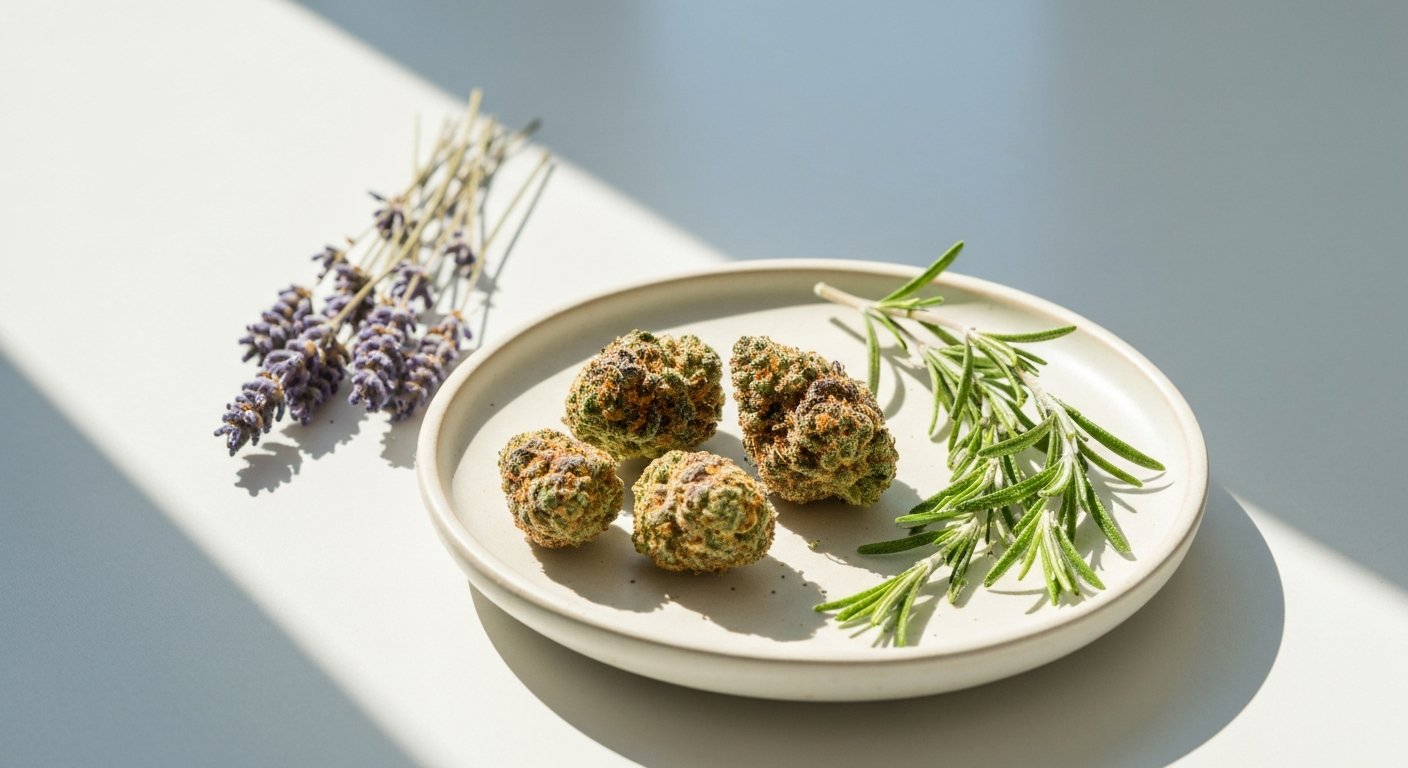
Health-Conscious Cannabis: Microdosing, Low-THC Options, and Consistent Access
Weed for wellness, not escape. If you’re exploring weed for anxiety, sleep, pain, or general wellness without wanting to get impaired, you need a different approach than recreational users chasing effects. That approach is built on microdosing, low-THC products, consistent access, and dispensaries that actually understand health-conscious use. Here’s how to access weed safely while maintaining the precision, consistency, and discretion your wellness goals demand.
What Health-Conscious Pot Use Looks Like
Health-conscious weed consumers aren’t stereotypical stoners. You’re exploring weed as a wellness tool – for stress, sleep, inflammation, or anxiety – without wanting impairment or the “high” associated with recreational use. You might be a professional, a parent, or someone who values staying functional. You care about precision dosing, product consistency, and finding effects that serve your specific health goals.
This niche has exploded. Reddit communities like r/microdosing and r/weed have surged with health-conscious explorers discussing microdosing protocols, low-THC options, and which dispensaries actually support wellness use. Silicon Valley professionals, therapists, and wellness-focused consumers are leading this trend. According to market analysis from BATCH, microdosing interest has skyrocketed – people want therapeutic benefits without recreational effects.
The challenge: most dispensaries still market toward recreational users. Budtenders often default to high-THC recommendations. Inventory skews toward strong products. Health-conscious consumers need to know how to find dispensaries that actually support their approach.
Microdosing 101: Precision Matters
Microdosing means taking small, measured doses – typically 2.5-5mg THC – to achieve specific therapeutic effects without impairment. The goal is consistent, reliable results that don’t interfere with your day.
Why microdosing works: At low doses, cannabinoids like THC interact with your endocannabinoid system in subtle ways. You get therapeutic benefits (anxiety reduction, pain relief, sleep support) without the “high.” Higher doses flood your system, creating impairment and anxiety spikes – opposite of what health-conscious users want.
According to Leafwell’s microdosing guide, sublingual tinctures provide the most accurate dosing for titration. A 1ml tincture might contain 5mg THC, meaning you know exactly what you’re taking. Compare that to smoking or edibles where dose varies by portion size.
Product Formats Ranked by Dosing Precision
| Format | Precision | Onset | Duration | Best For | Consistency |
|---|---|---|---|---|---|
| Sublingual Tincture | Highest (exact mg) | 15-30 min | 4-6 hours | Microdosing protocols | Excellent – repeatable |
| Low-Dose Edibles | High (pre-dosed 2.5-5mg) | 1-2 hours | 6-8 hours | Sleep, daily routine | Very good – batch matters |
| Capsules/Pills | High (pre-dosed) | 1-2 hours | 6-8 hours | Structured dosing | Excellent |
| Flower (vaping) | Medium (self-dosed) | 5-15 min | 1-3 hours | Titration/adjustment | Good with discipline |
| Topicals | Localized | Varies | Varies | Pain/inflammation | N/A – non-systemic |
For health-conscious consumers, tinctures and low-dose edibles dominate. You get consistency – the same product, the same dose, the same result – without guesswork.
Low-THC Strains: A Different Market
Traditional cannabis marketing emphasizes high-THC percentages. But low-THC strains (8-12% THC) and high-CBD strains serve health-conscious users perfectly. Low-THC flower still produces effects – anxiety relief, pain reduction, sleep support – without the impairment risk.
According to cannabis market analysis, edibles with 5mg THC or less have become increasingly popular with health-conscious consumers. They represent a formal shift in how the industry understands pot beyond recreational getting-high culture.
The problem: many dispensaries don’t stock robust low-THC or high-CBD options. Budtenders don’t recommend them because margins skew toward high-potency sales. This is where you need to be selective about which dispensary you choose.
Choosing the Right Dispensary for Health Goals
Not all dispensaries support health-conscious use equally. Here’s what to evaluate:
Consistent Low-THC/Microdose-Friendly Inventory. Walk in and ask: “Do you always stock low-THC strains?” “Do you have consistent low-dose edible options?” Mediocre dispensaries stock none. Good ones have dedicated sections.
Knowledgeable Staff on Dosing Safety. Can a budtender explain terpenes? Can they discuss cannabinoid profiles beyond just THC percentage? Do they ask about your experience level before recommending? These matter.
Delivery or Flexible Access. For health-conscious consumers, consistency means accessing the same product repeatedly. If your microdose protocol uses a specific 5mg gummy, you need to know it’s always available. Some dispensaries use delivery services; some prioritize regular inventory rotation. Know which works for your routine.
Product Testing & Transparency. Lab results matter. Can you see exactly what cannabinoids are in that product? What terpene profile? Health-conscious consumers need this detail.
Staff Training on Wellness vs. Recreation. Does the dispensary acknowledge health-conscious use? Or do budtenders treat all customers like recreational users? This cultural signal matters. The Flowery’s positioning around knowledgeable friendly staff and quality-over-quantity suggests wellness awareness.
Questions to Ask a Dispensary About Microdosing Support
Before you visit or when you arrive, ask:
- “Do you have consistent low-THC options in stock?”
- “Can I order the same product repeatedly, or does your inventory rotate too much?”
- “Do you offer delivery for routine orders?”
- “What’s your staff training on microdosing and wellness use?”
- “Can you show me lab results for terpene profiles and exact cannabinoid percentages?”
- “Do you have sublingual tinctures with precise dosing?”
- “What’s your most popular low-dose edible, and is it always in stock?”
Dispensaries that welcome these questions – and have answers – are your allies. Dispensaries that brush off microdosing questions aren’t health-conscious focused.
Building Your Health-Conscious Weed Routine
Starting a microdosing protocol requires structure:
1. Start with product selection. Choose one format (tincture or low-dose edible) that allows precise, repeatable dosing. Avoid flower if consistency matters – rolling quality varies.
2. Pick your dose. For anxiety or sleep, 2.5-5mg THC is typical starting. If you use a 5mg gummy daily, buy enough to sustain a month. Consistency requires reliable supply.
3. Track your results. Journal: “2.5mg tincture at night + sleep quality 7/10” or “5mg gummy for anxiety + focus maintained.” This data guides adjustments.
4. Adjust slowly. Increase by 2.5-5mg only after 1-2 weeks. Microdosing is about finding your sweet spot, not chasing effects.
5. Stay with your protocol. Don’t switch products randomly. If something works, order the same product next time. This is why dispensary consistency matters.
Product Consistency: Why It Matters
Recreational users might not care if they buy a different strain each time. Health-conscious consumers need the same product with the same effects. This requires:
- Dispensaries that maintain consistent inventory
- Products that are batch-tested (you can compare batch dates)
- Budtenders who track what worked for you previously
- Access methods (like delivery or standing orders) that guarantee availability
According to Leafwell, health-conscious users cite “finding a budtender who gets the wellness angle” as essential. You need someone who understands that switching products disrupts your protocol.
Microdosing for Specific Goals: FAQ
What’s the best product for anxiety without impairment?
Low-THC strains with higher CBD or terpenes like limonene and myrcene. Tinctures (5mg THC) or 2.5mg edibles allow precise dosing. Onset time is 15-30 minutes (tincture) or 1-2 hours (edible), so account for that in your routine.
Can I use weed for sleep without becoming dependent?
Yes. Low-dose edibles (5mg THC) taken 1-2 hours before sleep work well. They’re less addictive than sleep medications. Track sleep quality to ensure consistency. If effects fade, that’s tolerance – take a break rather than increasing dose.
Is there a difference between smoking/vaping and edibles for microdosing?
Yes. Vaping allows faster feedback (you feel effects in 5-15 minutes) but requires self-discipline with dosing. Edibles lock you into a specific dose but take longer (1-2 hours). For precision, edibles or tinctures beat vaping.
What about CBD without THC?
Pure CBD (no THC) is legal in all states and doesn’t create a high. It works for inflammation, anxiety, and pain – but differently than THC. Some health-conscious users prefer CBD-only; others want CBD:THC balance (like 1:1 ratios). Experiment to find your ratio.
How do I know if I’m microdosing correctly?
You feel subtle effects – less anxiety, better sleep, mild pain relief – without impairment. You can still work, drive, think clearly. If you feel “high” or foggy, your dose is too high.
Can I microdose every day?
Yes. Many health-conscious users take low doses daily for consistent benefits (anxiety management, sleep support, pain management). This is different from recreational use where people use situationally.
What if I travel and can’t access the same product?
Difficult. This is why health-conscious consumers need reliable home supply. When traveling to legal states, research dispensaries in advance or accept that you’ll disrupt your protocol temporarily.
Dispensary as Partner in Your Wellness Protocol
Health-conscious weed use requires a different mindset about dispensaries. You’re not impulse-buying – you’re establishing a wellness routine that depends on product consistency, staff knowledge, and reliable access. Choose your dispensary accordingly.
The Flowery’s emphasis on “same-day delivery,” “neighborhood dispensary” approach, and “knowledgeable friendly staff” suggests support for this model. Local dispensaries with strong community ties typically offer the consistency and personalized attention health-conscious consumers need.
The Bottom Line: Wellness-Focused Pot Access
Weed for wellness works – when you approach it precisely. Microdosing with consistent products, low-THC options, and knowledgeable staff support makes a profound difference. The key is finding a dispensary that treats health-conscious use as legitimate, stocks appropriate products, and maintains the consistency your wellness protocol requires.
Start small, track carefully, find your dispensary partner, and commit to protocol. That’s how health-conscious weed exploration works.
—