Cannabis Cartridges: Everything You Need to Know
Weed cartridges represent the intersection of convenience and quality for premium weed buyers. Pre-filled glass tanks of concentrated weed oil, these …
04/09/2026|admin
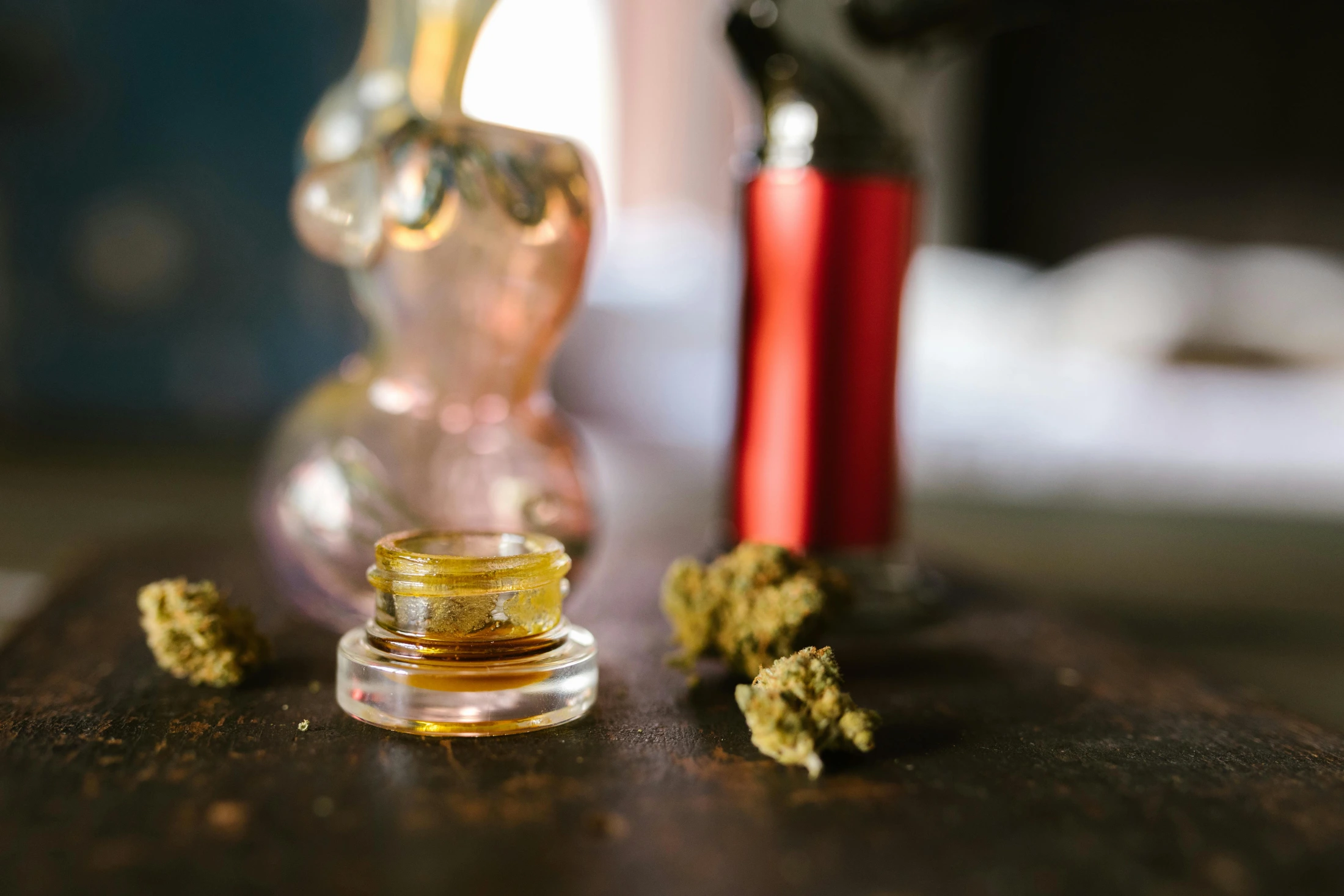
The indicator of a top-tier concentrate product and a great experience for long-time enthusiasts isn’t high THC. Rather, it’s the presence of terpenes, the complexity of the extraction method, and a premium feel. From live rosin to resin to other concentrates, one thing is clear: the best picks don’t just hit hard. They preserve more of the plant’s resin, which is why they earned such a cult following.
For shoppers browsing The Flowery’s menu near New Main St, the range of premium concentrate profiles can feel exciting but hard to compare. To simplify your selection, this guide covers how to choose the right terpenes and extraction methods while maximizing the quality of your top-shelf concentrate.
Concentrates are strong by design. New York’s Office of Cannabis Management reports a THC range for concentrates of 50% to 98%, compared with a flower at 12% to 30%. Being said, they’re recommended mainly for consumers with higher tolerance and experience.
Concentrates are a modern take on the traditional flowers. However, just like with any product, one needs to be cautious.
General rule of thumb: Rosins, resins, and other premium concentrates should be best treated as small-dose, occasional-use products rather than flower.
Solventless live rosin is a premium cannabis concentrate made to preserve the plant’s original resin. It’s a top-notch choice since they’re known for outstanding terpene preservation, trichome quality, starting material, and process integrity. Mainly because it involves a craft process built around preserving the cannabis plant’s resin profile. The easiest way to explain it is to know about the other two common extraction methods: butane hash oil (BHO) and standard distillate.
In short, BHO extracts resin with solvents, and distillate refines cannabis into THC oil. Meanwhile, live rosin is made without solvents. It takes a cleaner mechanical route: fresh frozen flower, ice water hash, trichome separation, drying, and heat-and-pressure pressing.
However, it’s more than undergoing a natural, thorough, or budget-friendly process. Things are trickier than they seem for concentrates. A case in point: some of US products have reportedly been contaminated and exhibit less THC than their labels claim. Serious rosin shoppers must look beyond THC percentage and ask more about the nitty-gritty, from the cultivar source to the handling to the testing.
Live resin and live rosin can both start with fresh frozen cannabis, but they are not made the same way. With live resin, the plant is usually freshly frozen, then extracted with solvents like butane or propane. Those hydrocarbons strip cannabinoids and terpenes from the plant material. For solventless live rosin, it’s a different philosophy of extraction. An ice-water hash is usually the starting point. The hash is dried, then pressed with heat and pressure to produce rosin. Here’s the solventless, hydrocarbon-free process:
Step 1: Cannabis flowers are frozen shortly after harvest. This is to preserve the live resin profile before any deterioration that occurs (during drying and curing).
Step 2: The frozen cannabis is then washed in cold water with ice. It separates the trichome heads from the plant material. The wash water is then passed through a series of fine-micron bags that filter the resin by size, producing what’s called ice water hash or bubble hash.
Step 3: After washing, the hash has to be freeze-dried to remove the moisture. If the hash is dried badly, it might oxidize and lose flavor.
Step 4: Once the hash is dry, it is to be packed into a rosin bag and pressed with hydraulic force and heat. The heat softens the resin, while the pressure squeezes it out.
Why Solventless Costs More?
Authentic solventless live rosin is labor-intensive and usually yields less than solvent-based extraction. It’s expensive since, from growing to pressing, it requires craft and high standards. It’s difficult to use a lower-grade bud input for the process.
Read past the numbers. Real connoisseurs would look and judge: starting material, extraction method, aroma, texture, container, and how the product behaves in a device. The overall feel,even visually, is what matters after all for a premium experience.
| Feature | Good Signs | Red Flag | What It Means |
|---|---|---|---|
| Color | Gold, honey, blonde, pale amber | Looks burnt, muddy, greenish, or almost black | May show age, heat damage, or too much plant material |
| Texture | Looks like smooth frosting, jam, sap, or soft butter | Looks watery, crusty, chalky, or separated | Shows whether it was handled and stored well |
| Aroma | Smells fresh, loud, fruity, gassy, piney, floral, or earthy | Smells burnt, plasticky, moldy, grassy, or stale | It should smell alive (like a real flower), not flat or off |
| Melt | Melts smoothly like warm butter, light bubbling | Burns black, sizzles hard, or leaves grit | Cleaner hash usually melts more evenly |
| Residue | Leaves a light golden or amber puddle | Thick black residue | May mean overheating, poor filtration, or low-quality input |
| Cart Oil | Thick and even, like slow-moving syrup | Thin like water, cloudy, separated, or leaking | Vape oil should look stable and consistent |
| Packaging | Sealed jar/cart, clear label, batch info, QR/link to lab results | Broken seal, vague label, no test info | Premium extract should be traceable |
For years, much of the vape and concentrate shopping revolved around potency and extraction efficiency. The market was full of distillates for the time being. However, buying demand has recently shifted: from pure cannabinoid extracts to terp-rich, strain-authentic options.
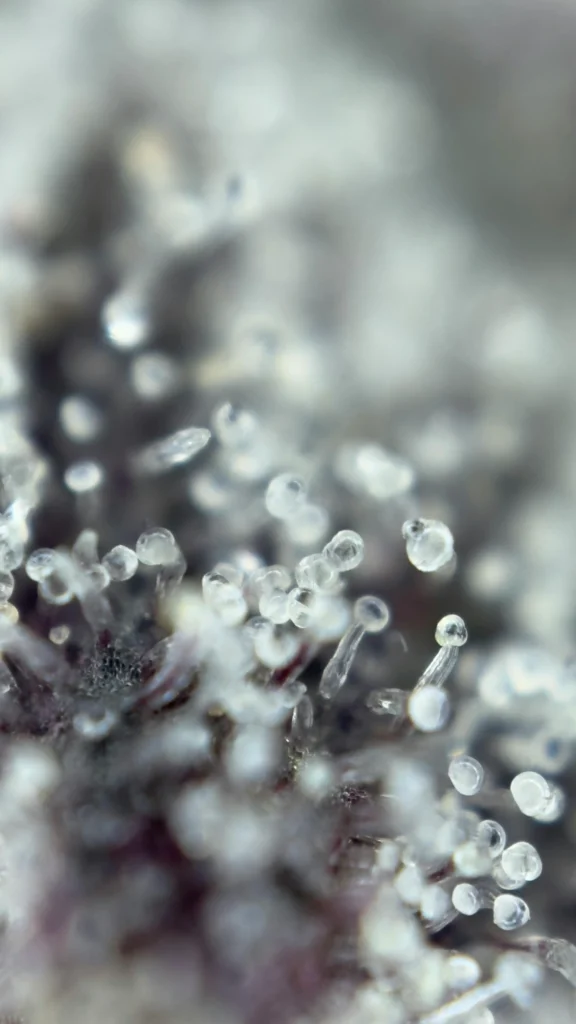
And the only way to get the fullest profile (potency, taste, smell, or effect) of a cultivar is to preserve it through flash freezing. Here’s the difference in how trichomes (the source of terpenes and cannabinoids) behave in two methods:
In a rosin vape, a clean melt comes down to how the oil behaves when heat hits the cartridge. It’s a common issue among rosins: whether the oil can move through the cartridge and aerosolize without overheating the terpene-rich extract.
Live rosin is thicker and more terpene-sensitive than standard distillate. In a device, the oil has to wick toward the heating element, loosen with heat, and turn into an aerosol.
When live rosins are used in vape devices, they can be best enjoyed if you’re using the right temperature and doing slow pulls at the right intervals. New York OCM also tells consumers to follow suggested cartridge temperatures when available.
For quiet days in Haverstraw, live rosin is the ideal concentrate, whether you’re unwinding after a sunset at Emeline Park on a weekend or after docking at Haverstraw Marina on a weekday evening. Just dab it for a fuller flavor hit. Or, you can use a rosin vape cart for shorter, instant hits.
The rosin appeal is not just about the deep and true-to-strain aroma and taste. It’s also about the full experience it gives. Since rosins are more about the flower’s original resin, you’re also potentially getting the full-blown entourage effect. This means there’s synergy among the terpenes, THC, and other compounds that makes the journey plain sailing, without unwanted ups and downs.
Connoisseurs celebrate solventless live rosin for one reason: when it is done right, it carries the flower’s fingerprint into concentrate form. Not just THC from distillates, not just flavors from live resin.
However, not all live rosins can give you the full experience. Solventless rosin can still be bad if the flower was weak, the hash was rushed, the press ran too hot, or the cart hardware mishandled the juice.
A rosin is only top-tier when the live plant survives the process, and the process itself was done right. If you are browsing The Flowery Haverstraw menu or stopping by the store at 35 Conger Ave, hold on to that thought. You can ask your budtender or check the brand’s claims about it, including the extract type, the batch, the hardware, and how to run the cart without cooking the flavor.
Weed cartridges represent the intersection of convenience and quality for premium weed buyers. Pre-filled glass tanks of concentrated weed oil, these …
Hashish & Co is one of the most respected concentrate brands on the NY recreational market, with a focus on solventless hash, live rosin, and traditio…

Which NYC Dispensaries Have the Best Selection of Local NY Cannabis Brands NYC’s deepest local cannabis selection lives with dispensaries that actuall…