Haverstraw Cannabis Laws 2026: A Guide to Local Consumption and Safety
If you are 21 or older, you can legally purchase and consume adult-use cannabis in both the Town and Village of Haverstraw. However, navigating the sp…
06/16/2026|admin
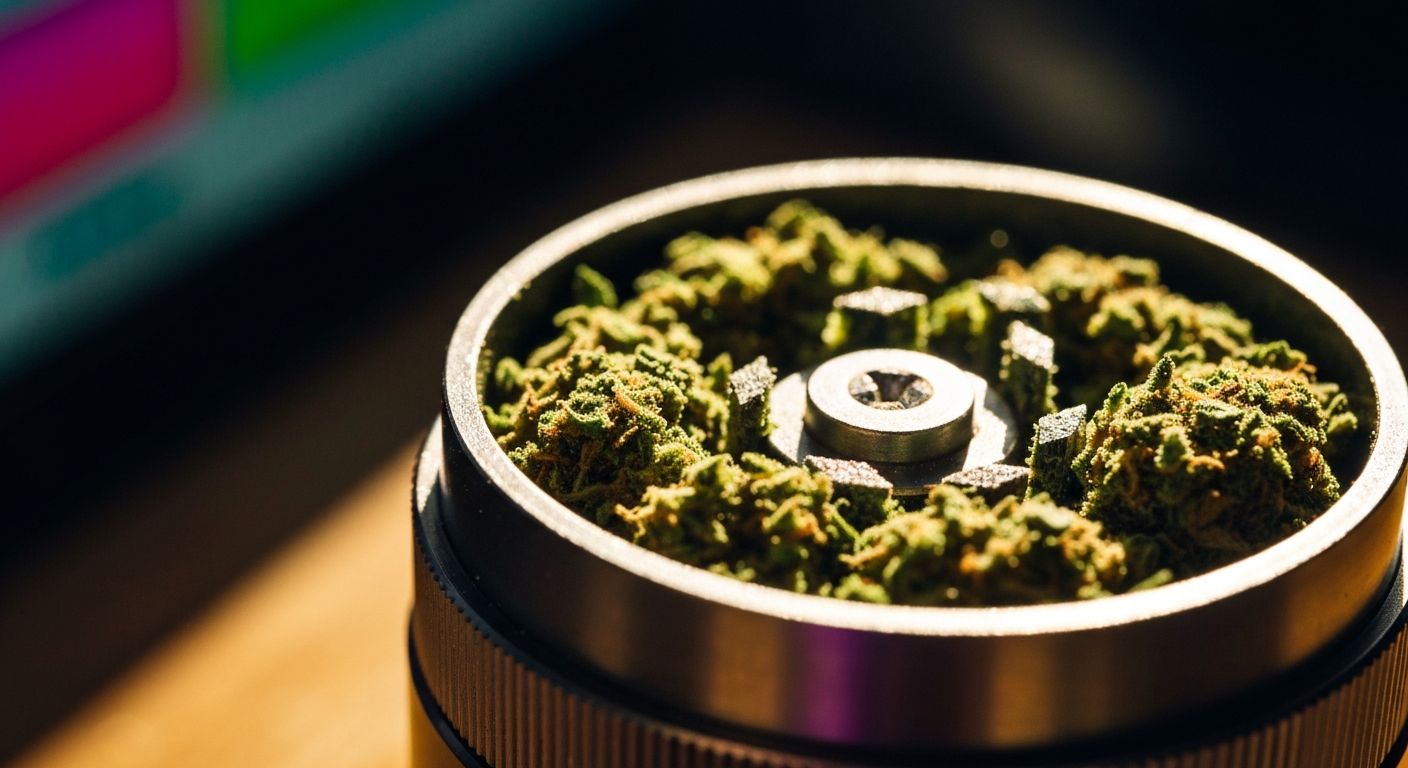
Cannabis labels in New York display verified potency for THC and CBD, along with serving size, batch information, and lab-testing data. For health-conscious consumers, understanding this information is the key to making intentional choices. The Flowery’s staff across all 12 NYC locations can walk you through reading any label or Certificate of Analysis in the store.
At a licensed New York dispensary, the label on a cannabis product is a legal document. The potency percentages listed are verified by a certified third-party lab. The serving size is calculated against those tested numbers. The batch number traces back to specific production records that can be reviewed if needed.
This is fundamentally different from anything that existed before legalization. The product you’re buying has a documented identity. When you understand how to read it, you’re not guessing what you’re consuming — you know.
For health-conscious consumers who approach cannabis the same way they’d approach any supplement or wellness product, this label literacy is foundational.
1. Product Name and Type
The label starts with the brand name and product name. For flower, you’ll see the strain name. For edibles, it’ll be the product type (gummies, chocolates, etc.). For vapes, the strain or oil type.
The “type” designation — indica, sativa, hybrid — is included on most products, though it’s worth knowing that these categories are guides to general effect profiles rather than strict scientific classifications. More meaningful is the specific terpene profile, which some products include.
2. Total THC and Total CBD
These are the core potency numbers. In New York, they’re required to be listed as:
“Total THC” reflects the active THC content accounting for decarboxylation — the conversion of THCA (inactive form) to THC (active form) through heat. For edibles and extracts, the label shows the post-activation number directly.
What the numbers mean:
– Flower: 15–20% THC is considered moderate; 25%+ is high-potency
– Edibles: 5mg THC per serving is a standard starting dose; 10mg is a common full dose; 2.5mg is micro-dose
– Vape oil: 60–80% THC is standard; 50–60% is more moderate
3. Serving Size and Servings per Package
For edibles, this is critical. A package containing 100mg total THC might be divided into 10 servings of 10mg each — or 20 servings of 5mg. Knowing your serving size is how you control your dose.
For flower: a “serving size” isn’t standardized in the same way, but some brands include it as an approximate portion recommendation.
4. Net Weight or Volume
How much product you’re getting. For flower, it’s in grams. For edibles, it’s in grams or ounces. For vape cartridges, it’s in milliliters.
5. Batch Number and Lab Testing Information
Every licensed New York cannabis product is traceable to a specific production batch. The batch number on the label connects to the Certificate of Analysis (COA) from the testing lab.
6. Ingredients (for Edibles)
Edibles are required to list ingredients, including any allergens. Health-conscious consumers should check this, especially for sugar content, dietary compatibility (vegan, gluten-free, etc.), and any additives.
7. Manufacturer Information
The licensed producer’s information, including their OCM license number.
8. Warnings
New York requires specific warnings on all cannabis products: “Keep out of reach of children,” the 21+ age restriction, and the prohibition on operating motor vehicles under the influence.
Every legally sold cannabis product in New York has a Certificate of Analysis (COA) from a certified third-party lab. This is the source document behind the label.
Where labels give you summary information, the COA gives you the full picture:
Full Cannabinoid Panel
Beyond THC and CBD, a complete COA includes:
– THCA (the inactive precursor to THC)
– THCV (found in some strains, associated with appetite suppression and focus)
– CBN (associated with sedation and relaxation)
– CBG (associated with anti-inflammatory properties)
– CBC and other minor cannabinoids
For health-conscious consumers who care about the full profile of what they’re consuming, this data is meaningful.
Terpene Profile
Some COAs include terpene testing. Terpenes are aromatic compounds that contribute significantly to the character and effect of a cannabis product. Common terpenes include:
| Terpene | Aroma | Associated Effects |
|---|---|---|
| Myrcene | Earthy, musky | Relaxation, sedation |
| Limonene | Citrus | Mood elevation, stress relief |
| Pinene | Pine | Alertness, memory retention |
| Linalool | Floral, lavender | Calm, anxiety reduction |
| Caryophyllene | Spice, pepper | Anti-inflammatory, stress relief |
| Terpinolene | Fresh, fruity | Uplifting, anti-anxiety |
A strain high in myrcene will feel different from a strain high in limonene, even if the THC percentages are similar. This is why reading terpene profiles — when available — matters more than THC percentage alone for many experienced consumers.
Pesticide Results
Each pesticide tested, with the result and whether it passed or failed New York’s limits.
Heavy Metals Results
Arsenic, cadmium, lead, and mercury, with pass/fail indicators.
Residual Solvents (for extracts and vapes)
Butane, ethanol, propane, and others tested to ensure they fall below safety thresholds.
Microbial Results
Mold, yeast, E. coli, Salmonella, and others.
Getting a COA at The Flowery
Ask any staff member at The Flowery for the COA for a specific product. It’s a reasonable request and should be met with a straightforward answer. The Flowery’s staff are specifically trained to be able to access and explain this information — it’s part of what knowledgeable cannabis retail actually means.
“What’s the difference between ‘Total THC’ and ‘THC’?”
“Total THC” accounts for the conversion of THCA to THC during consumption (through heat). “THC” alone typically refers to the already-activated form. For practical purposes, Total THC is what matters for understanding potency.
“Why does 10mg in one edible feel different from 10mg in another?”
Several factors: the specific cannabinoid profile, the terpene profile, the type of extraction, whether it’s full-spectrum or distillate, and even the individual product’s bioavailability. This is why brand consistency matters — and why The Flowery focuses on curated brands rather than stocking everything.
“Is higher THC always better?”
No. For most purposes, and especially for health-conscious or newer consumers, moderate THC with a rich terpene and minor cannabinoid profile produces a more nuanced and often more enjoyable experience than maximum-potency products.
What do the THC percentages on cannabis labels in NYC mean?
They represent the verified potency of THC in the product, as tested by a certified third-party lab. For flower, it’s expressed as a percentage of dry weight. For edibles and vapes, it’s typically expressed in milligrams.
How do I read an edible cannabis label to know my dose?
Find the “Total THC per serving” — this is the amount you’ll consume in one serving. Beginners should start at 2.5–5mg. “Total THC per package” divided by “servings per package” gives you the per-serving dose.
What is a Certificate of Analysis (COA) and how do I get one?
A COA is the complete lab testing report for a specific product batch. It covers potency, terpenes, pesticides, heavy metals, and microbials. Ask any Flowery staff member for the COA on a specific product you’re considering.
Why do different cannabis products with the same THC percentage feel different?
Because THC percentage is only one factor. Terpene profile, minor cannabinoids, extraction method, and individual biochemistry all contribute to the experience. Reading the full COA — not just THC% — gives you a more complete picture.
Does The Flowery help customers understand cannabis labels?
Yes. Staff at all 12 Flowery locations are trained to explain label information and COA data. It’s a core part of the customer experience — not an add-on.
If you are 21 or older, you can legally purchase and consume adult-use cannabis in both the Town and Village of Haverstraw. However, navigating the sp…

Cannabis Regulatory Compliance Guide for Older Adults in NYC New York permits cannabis use for adults 21+, regulated through the Office of Cannabis Ma…
You’re visiting NYC, you’re interested in trying quality weed, and you want to avoid counterfeits or sketchy unlicensed shops. Welcome to Chinatown, w…