Cannabis Cartridges: Everything You Need to Know
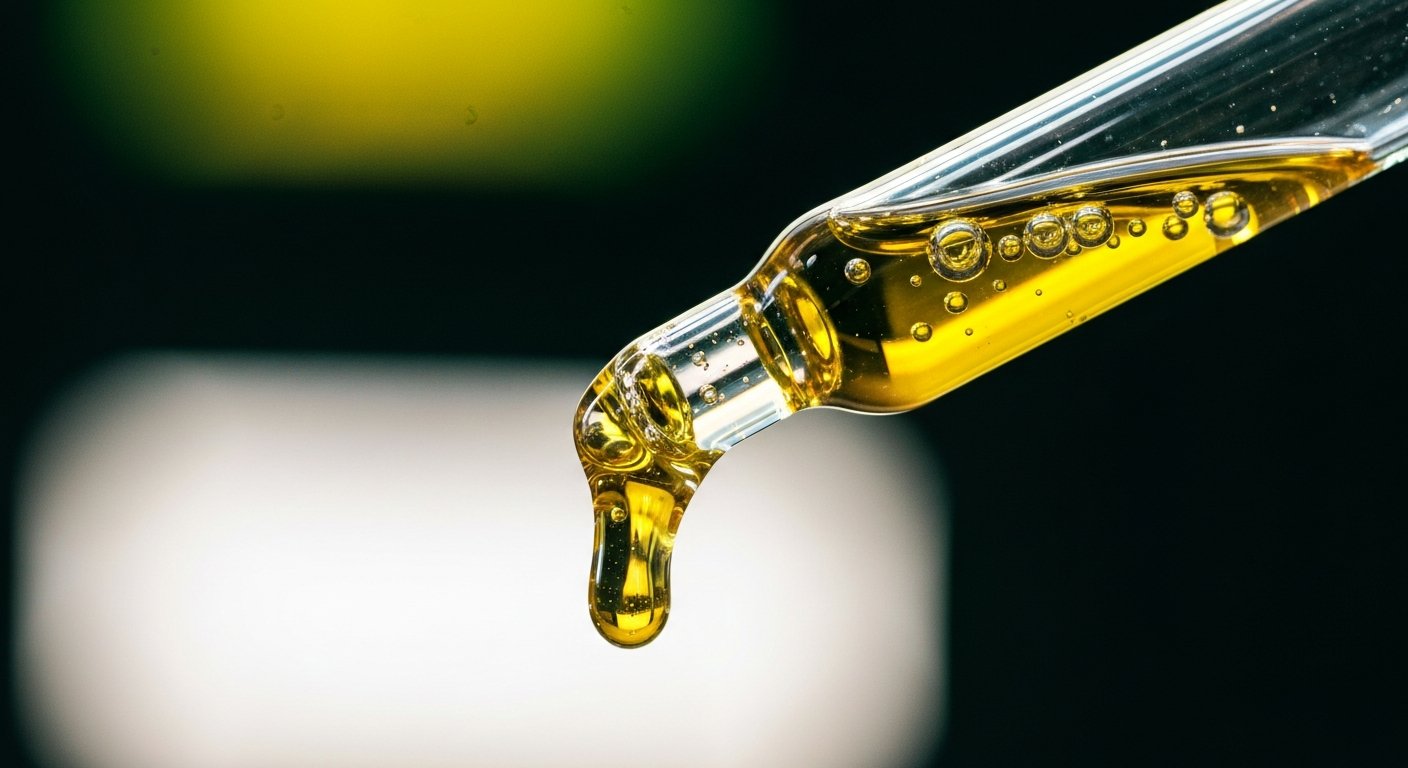
Weed cartridges represent the intersection of convenience and quality for premium weed buyers. Pre-filled glass tanks of concentrated weed oil, these …
04/09/2026|admin
Knowing how to tell good weed from bad is a useful skill whether you’re shopping at a licensed dispensary or evaluating a friend’s stash. The licensed NY market is generally consistent on quality because state testing weeds out the worst product, but quality varies across price tiers and brands. Here’s the sensory checklist NYC buyers use to evaluate weed at the counter or in the bag.
Five sensory checks cover most of the quality picture: look, smell, touch, taste, and burn. Each one tells you something specific.
Good weed is visually distinctive. The buds are well-formed, the trichomes are visible, and the color is vivid. Specifically:
Color. Vivid greens, occasionally with purple, orange, or red highlights from the genetics. Avoid weed that looks brown, gray, or washed out. These colors typically indicate age, poor curing, or low quality.
Trichome coverage. Trichomes are the small crystalline structures on the buds that contain THC and other cannabinoids. On good weed, they’re visible to the naked eye and cover most of the bud surface. On lower-quality weed, they’re sparse or absent.
Bud structure. Good weed has dense, well-formed buds with visible structure. Indica strains tend to be denser and rounder. Sativa strains tend to be more wispy and elongated. Either way, the bud should look intentional, not crumbly.
Trim. Look at how cleanly the bud has been trimmed. Hand-trimmed buds have a more sculpted appearance. Machine-trimmed buds can be over-trimmed and lose surface trichomes. Brands like Sundae School and premium Dank NY drops are typically hand-trimmed.
Good weed smells strong, complex, and pleasant. Specifically:
Strength. Open the jar or bag and the aroma should be immediately noticeable. Weak smell often indicates old weed or under-cured weed.
Complexity. Quality weed has layered aromas. Fruit, citrus, pine, gas, candy, cake — these descriptors come from terpenes and indicate a well-preserved terpene profile. Single-note or flat aromas suggest less terpene preservation.
Cleanness. The aroma should smell like weed and the strain’s terpene profile, not like hay, ammonia, chemicals, or mold. Off-smells are a clear sign to skip.
| Aroma | Likely Terpene | Common Strains |
|---|---|---|
| Citrus, lemon | Limonene | Lemon Haze, Super Lemon Haze |
| Pine, herbal | Pinene | Jack Herer, OG Kush |
| Fruit, sweet | Myrcene, terpinolene | Mango, fruit-leaning hybrids |
| Gas, fuel | Caryophyllene | Sour Diesel, OG Kush |
| Cake, dessert | Linalool, myrcene | Wedding Cake, Gelato |
Good weed has a specific feel. It should be:
Slightly springy, not crispy. Squeeze a bud gently. It should compress slightly and bounce back. If it crumbles or shatters, it’s too dry — likely over-cured or aged. If it’s mushy or wet, it’s improperly cured and may have mold risk.
Sticky. The trichomes produce a slight stickiness. Run a bud across your fingers. Good weed leaves a faint resin residue. Lower-quality weed feels dry and powdery.
Cool. Good weed should be at room temperature, not warm. Warm storage degrades cannabinoids and terpenes.
When you smoke or vape good weed, the flavor should be:
Strain-accurate. A citrus-forward strain should taste like citrus. A gas-leaning strain should taste like gas. The flavor should match the smell.
Smooth. Good weed produces smooth smoke that doesn’t burn the throat at moderate pulls. Harsh or rough smoke often indicates poor curing, residual chlorophyll, or chemical residue.
Clean. The aftertaste should be clean and terpene-forward, not chemical, soapy, or metallic.
The way weed burns tells you a lot about its quality:
Even burn. A pre-roll or joint should burn evenly down one side. Uneven burns (canoeing) often indicate inconsistent grind or improper packing.
White-gray ash. Quality weed burns to a light white-gray ash. Dark or black ash suggests poor curing, residual nutrients, or low quality.
Clean smoke. The smoke should look clean and natural. Heavy or chemical-smelling smoke is a quality flag.
Burn rate. Good weed burns at a moderate pace. Too fast suggests dryness; too slow with constant relighting suggests dampness or poor packing.
NY state requires every licensed weed product to pass mandatory testing for:
The state testing requirement is the floor of quality on licensed NY weed. Anything that fails testing doesn’t make it to dispensary shelves. This is the structural reason why licensed weed is more reliable than unlicensed alternatives, regardless of brand.
Five red flags suggest you should skip a particular bag or strain:
If you encounter any of these at a licensed dispensary, point it out to the budtender and ask for a different jar. Licensed product shouldn’t fail these basic checks, but occasionally a jar from the back of inventory will be older than the front-of-rotation stock.
Is licensed weed always better than gray-market weed?
On safety yes, because of mandatory testing. On quality, generally yes, because licensed cultivators have higher standards and accountability. The price gap is real but the safety guarantee justifies it.
What’s the most important quality check?
Smell. The terpene profile tells you about freshness, curing, and strain authenticity. A strong, complex, clean aroma is the single best quality indicator.
Can I tell THC content just by looking?
No. THC content varies by genetics and growing conditions, not just visual quality. Always check the label. The shop page shows THC content for every SKU.
Does The Flowery sell different quality tiers?
Yes. The flower menu spans entry-tier ($35 to $45 per eighth) through premium ($60 to $80 per eighth). All tiers pass state testing; quality difference is in trim, cure, terpene preservation, and strain rarity.
How long does good weed stay good?
Properly stored (cool, dark, sealed) flower stays at peak quality for 3 to 6 months. Concentrates last longer. After a year, cannabinoid and terpene degradation is meaningful.
The sensory checklist is fast once you’ve used it a few times. Look, smell, touch, taste, burn. Five seconds at each step, total of maybe a minute when you’re learning. Within a few months of regular weed buying, the checklist becomes automatic and you’ll know within seconds whether you’re holding good product. The Flowery’s budtenders are happy to walk through the checklist with new buyers at the counter, and most are visibly pleased when a buyer asks about terpenes and curing rather than just THC percentage.
Weed cartridges represent the intersection of convenience and quality for premium weed buyers. Pre-filled glass tanks of concentrated weed oil, these …
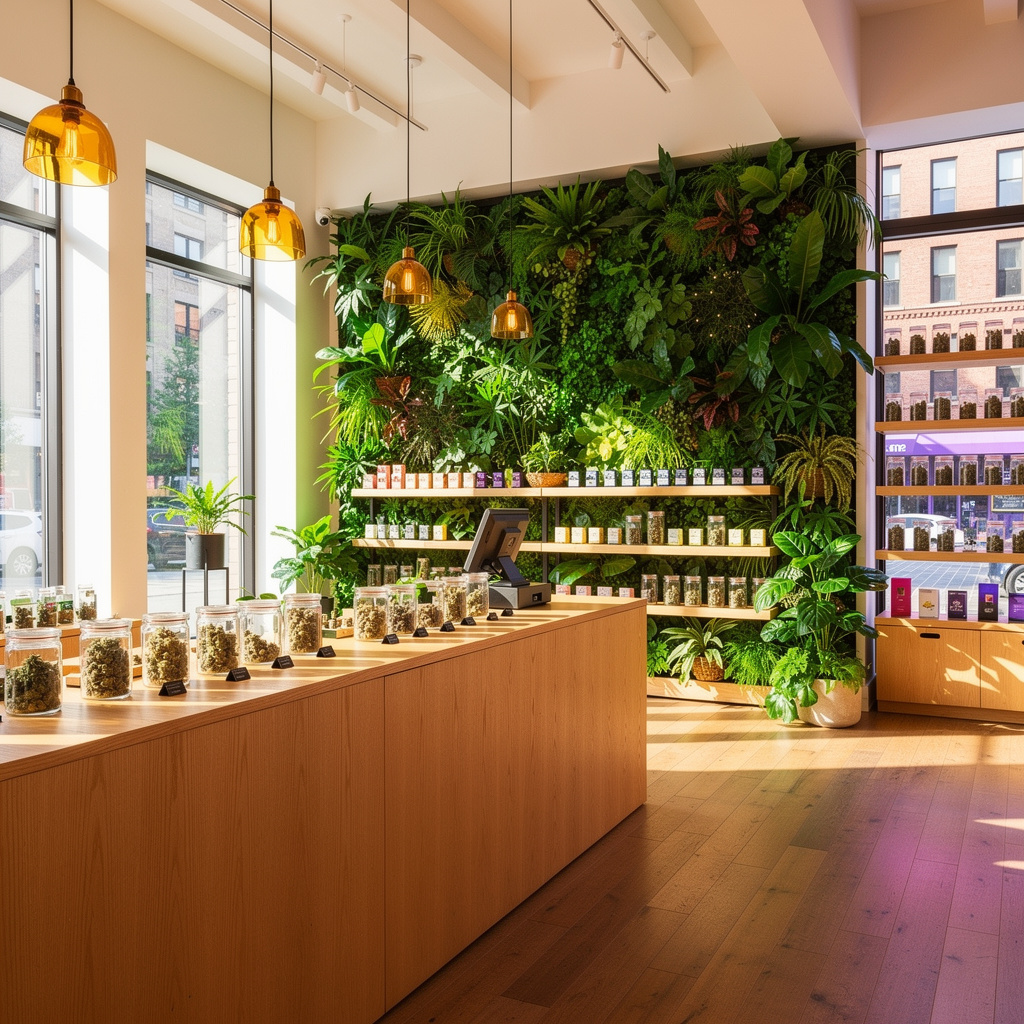
Seasoned weed smokers evaluate dispensary design the way sommeliers evaluate a wine bar – every detail reveals whether the operation is serious or per…
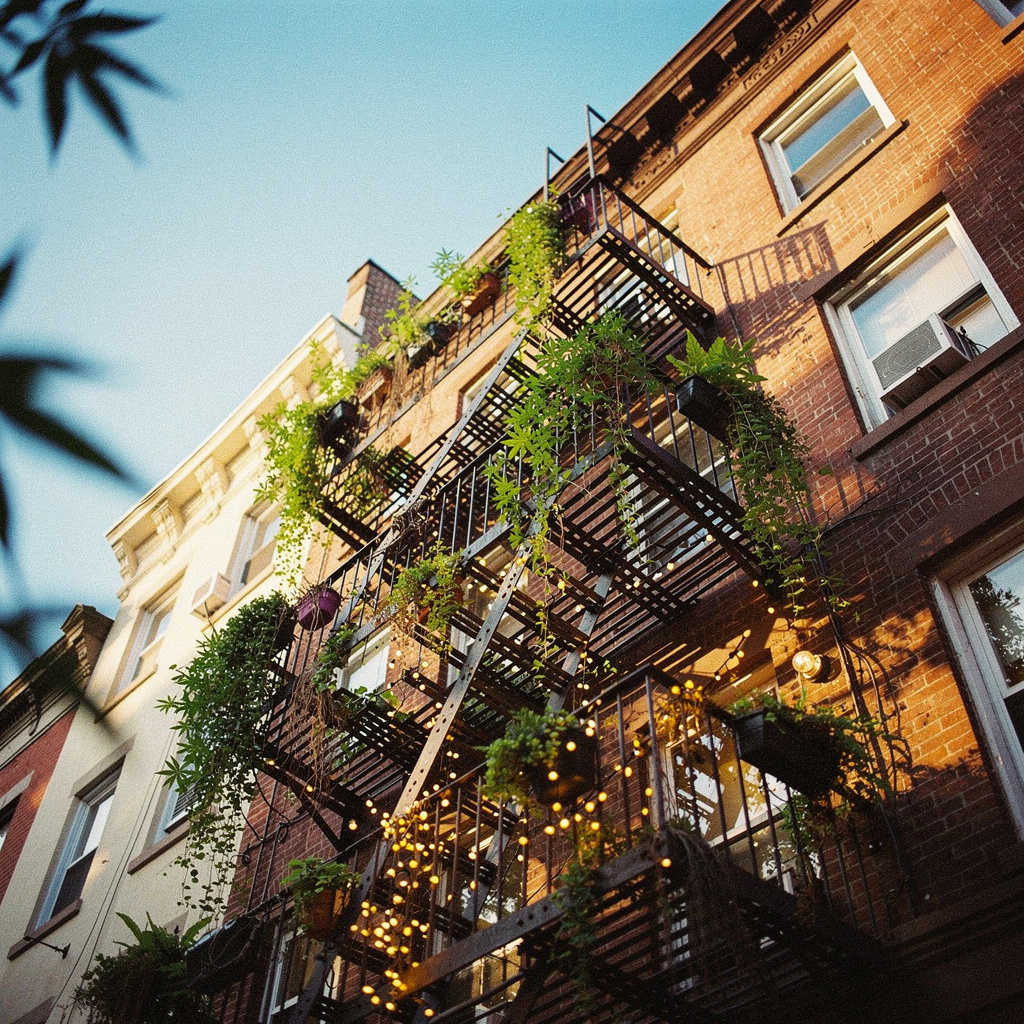
NYC’s creative community has always operated at the intersection of culture and pragmatism. Today’s artists, musicians, and makers access quality weed…