
Guide to Store Atmosphere: Young Adult First Legal Purchase Edition
Guide to Store Atmosphere: Young Adult First Legal Purchase Edition You’re a young adult, you’re legal, and you’re walking into a dispensary for the f…
04/08/2026|Tejas Patil

You spent years navigating the medical system. The card, the renewals, the limited dispensary options, the clinical atmosphere that made buying pot feel like picking up a prescription. Now recreational is here, the doors are open, and you are standing in front of a completely different experience wondering what just happened.
The shift from medical to recreational weed in NYC is not just a regulatory change – it is a full sensory overhaul. The stores look different, the product selection explodes, the people behind the counter talk to you differently, and suddenly you have twelve options where you used to have two. That can be exciting or overwhelming, depending on how prepared you are.
Here is what actually changes when you make the switch, what stays the same, and where to go for the smoothest transition.
Medical dispensaries in New York were designed to feel like pharmacies. White walls, minimal signage, sterile environments, and staff in scrubs or lab coats. The experience was intentionally clinical because the program was built around the idea that this was medicine, not recreation.
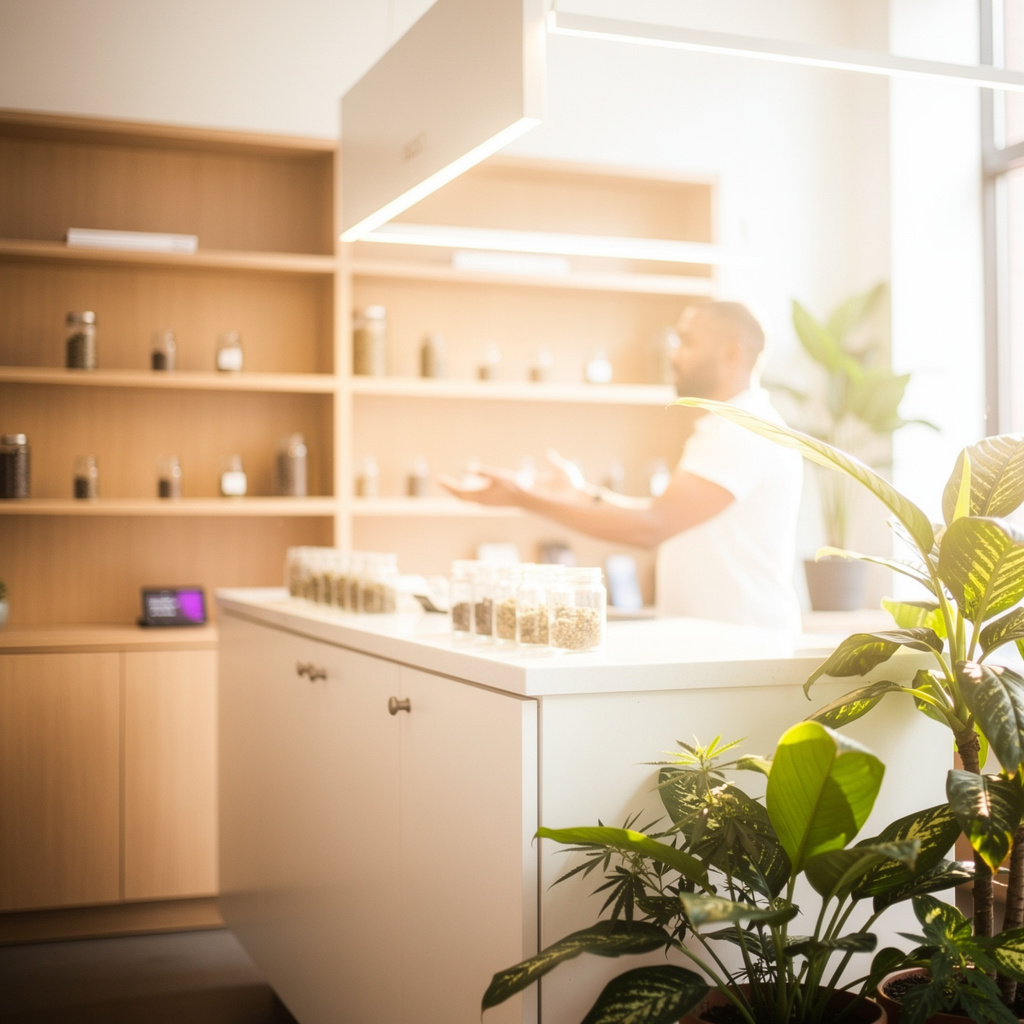
Walking into a recreational dispensary like The Flowery’s East Village location or their Brooklyn dispensary is a fundamentally different experience. The design is warm. The staff are passionate about weed, not just trained on dosing protocols. The vibe is closer to a craft wine shop than a pharmacy.
For some former medical patients, this is a breath of fresh air. For others, particularly those who valued the clinical structure, it takes adjustment. Both reactions are valid.
The medical market in New York was famously constrained. For years, whole flower was not even available – patients could only access tinctures, capsules, and vaporizer cartridges. Even after flower was added, the selection was limited to a handful of cultivators operating under the original Registered Organization licenses.
The recreational market has blown those doors open. At a well-stocked dispensary, you will find:
The expansion is massive. Brands like Camino, Wyld, and Kiva brought their established edibles programs to New York, giving former medical patients access to products that have been refined in mature markets like California and Colorado.
The most immediate practical change: you do not need a medical card. No doctor visit, no annual renewal fee, no registration with the state. You walk in with valid government-issued ID showing you are 21 or older, and you shop.
According to the Office of Cannabis Management, the recreational program is open to all adults 21 and over. No qualifying conditions, no certifications, no hoops.
This alone saves former medical patients several hundred dollars a year in card costs and doctor visits. That money goes back into your pocket – or into better weed.
Former medical patients sometimes report missing specific aspects of the medical experience. Here are the most common ones and how to address them in the recreational space.
Medical products were required to include precise milligram dosing. Recreational products include this too, but the wider variety of formats can make it harder to compare apples to apples. If you were used to a specific tincture at a known dose, finding the equivalent in the recreational market takes some experimentation.
The solution: start with brands known for dosing accuracy. Wana gummies and Ayrloom products are known for consistent dosing, which makes them natural transition products for former medical patients.
Medical dispensary staff were trained in therapeutic applications. They could discuss symptom management, drug interactions, and dosing schedules with clinical knowledge.
The best recreational dispensaries hire staff who combine product knowledge with genuine understanding of how people use weed for wellness. The Flowery’s team, for instance, includes people who can talk about terpene profiles in the context of relaxation, pain management, and sleep – without requiring you to have a medical card to access that conversation.
If you are switching from medical, do not hesitate to tell the budtender that you used pot for specific purposes. Good staff will guide you toward products that match your needs, not just whatever is popular that week.
This one is real and there is no way around it. Medical weed in New York carried lower tax rates than recreational. According to the New York State Department of Taxation and Finance, recreational purchases include a state excise tax based on THC content plus standard sales tax. Medical purchases were exempt from some of these taxes.
The price difference varies by product, but former medical patients should expect to pay somewhat more for equivalent products on the recreational side. Loyalty programs can help offset this – more on that below.
Not every dispensary handles the medical-to-recreational transition equally well. Some stores are optimized for first-time buyers and tourists. Others cater to experienced smokers. Former medical patients fall into a unique category – experienced with pot but new to the recreational retail environment.
Here is what to look for in a dispensary if you are making the switch:
Knowledgeable staff who listen. You do not need someone to explain what THC is. You need someone who can help you find a recreational equivalent to the medical product you relied on. The Flowery’s locations train their teams to meet customers where they are, which makes them strong options for former medical patients who know what they want but need help navigating a new inventory.
Broad product range. A dispensary with limited stock cannot serve your needs well. You want a place that carries everything from precision-dosed edibles to high-quality flower across multiple brands. The wider the selection, the more likely you are to find something that matches your medical favorites.
Calm environment. Some dispensaries feel like clubs. If you are used to the clinical quiet of a medical dispensary, look for stores that balance energy with space to think. Locations like the Upper West Side dispensary or the Chinatown dispensary tend to have a different rhythm than the busiest downtown spots.
Delivery option. If you are not ready for the in-store experience, NYC weed delivery lets you browse the full menu online and have your order brought to you. This can be a comfortable bridge between the medical dispensary experience and full recreational shopping.
If you used medical pot as part of a health routine, maintaining that routine matters more than the regulatory category of your purchase. Here are practical steps:
Document what you were using. Write down the product name, format, dose, and how often you used it. This gives any budtender a clear picture of what to recommend as a replacement.
Start with the closest equivalent. If you used a 10mg THC capsule for sleep, start with a 10mg edible or capsule in the recreational market. Do not jump into a completely different format just because it is available.
Ask about terpenes. Medical staff rarely discussed terpenes. Recreational staff at good dispensaries can help you match terpene profiles to the effects you relied on medically. Myrcene for sleep and pain, limonene for mood, caryophyllene for inflammation – these conversations happen naturally in well-run recreational stores.
Join a loyalty program. The Flowery’s loyalty program helps offset the higher recreational tax burden. If you are going to be a regular customer – and former medical patients usually are – earning rewards on every purchase adds up.
Keep your medical card active if you can. New York still maintains its medical program, and medical patients retain certain advantages including lower taxes. If the cost of maintaining your card is less than the tax savings, it may make financial sense to keep both options open. Check the NYS Department of Health medical cannabis page for current program details.
Switching from medical to recreational is not just about where you buy or what you pay. It is about entering a community. The medical program was necessary and important, but it was small, isolated, and clinical by design. The recreational market connects you to a wider world of growers, brands, formats, and fellow smokers who share your appreciation for the plant.
The Flowery exists at the intersection of quality and accessibility. With twelve locations across NYC and the Hudson Valley, including spots in Queens, the Bronx, and Staten Island, there is a store within reach no matter where you are. And their staff understand that former medical patients are not beginners – they are experienced users entering a new environment.
The transition does not have to be jarring. It can be the best upgrade you have made in years.
Do I need to cancel my medical card to buy recreational weed in NYC?
No. You can hold a medical card and buy recreational products. Many former medical patients keep their cards active for the tax benefits while also shopping recreationally for the wider product selection.
Is recreational weed the same quality as medical?
In many cases, recreational products match or exceed medical quality. The recreational market has attracted premium cultivators and brands from established markets, bringing product quality that the limited medical program could not match.
Will I pay more for recreational weed than I did for medical?
Likely yes, due to higher excise taxes on recreational products. The price difference varies by product type. Loyalty programs and dispensary promotions can help offset the increase.
Can I still get dosing guidance at a recreational dispensary?
Yes, if you choose the right dispensary. Staff at quality recreational stores can discuss dosing, effects, and product comparisons. Tell your budtender about your medical background – they can tailor their recommendations accordingly.
What if I cannot find my specific medical product in the recreational market?
Focus on matching the format, dose, and terpene profile rather than the exact brand name. Ask staff to help you identify recreational products with similar cannabinoid and terpene compositions to your medical favorites.
Is recreational delivery available for former medical patients?
Recreational delivery is available to all adults 21 and over in NYC, regardless of medical status. You do not need a medical card to order delivery from a licensed dispensary.
Should I switch all at once or gradually?
Gradually. Start by visiting a recreational dispensary while your medical card is still active. Try recreational equivalents of your go-to products. Once you are comfortable with the new options, you can decide whether to renew your medical card or transition fully to recreational purchasing.
Are there any medical products not available in the recreational market?
Some pharmaceutical-grade formulations and specific ratio products that were developed exclusively for the medical program may not have direct recreational equivalents. However, the recreational market generally offers a much broader selection overall.
Guide to Store Atmosphere: Young Adult First Legal Purchase Edition You’re a young adult, you’re legal, and you’re walking into a dispensary for the f…
Staff Expertise for Convenience-Focused Professional The Flowery’s staff are trained to understand professional cannabis use. They do the research for…
The Complete Purchase Privacy Guide for The 55+ Silver Consumer If you’re 55 or older and considering cannabis for the first time or returning after d…