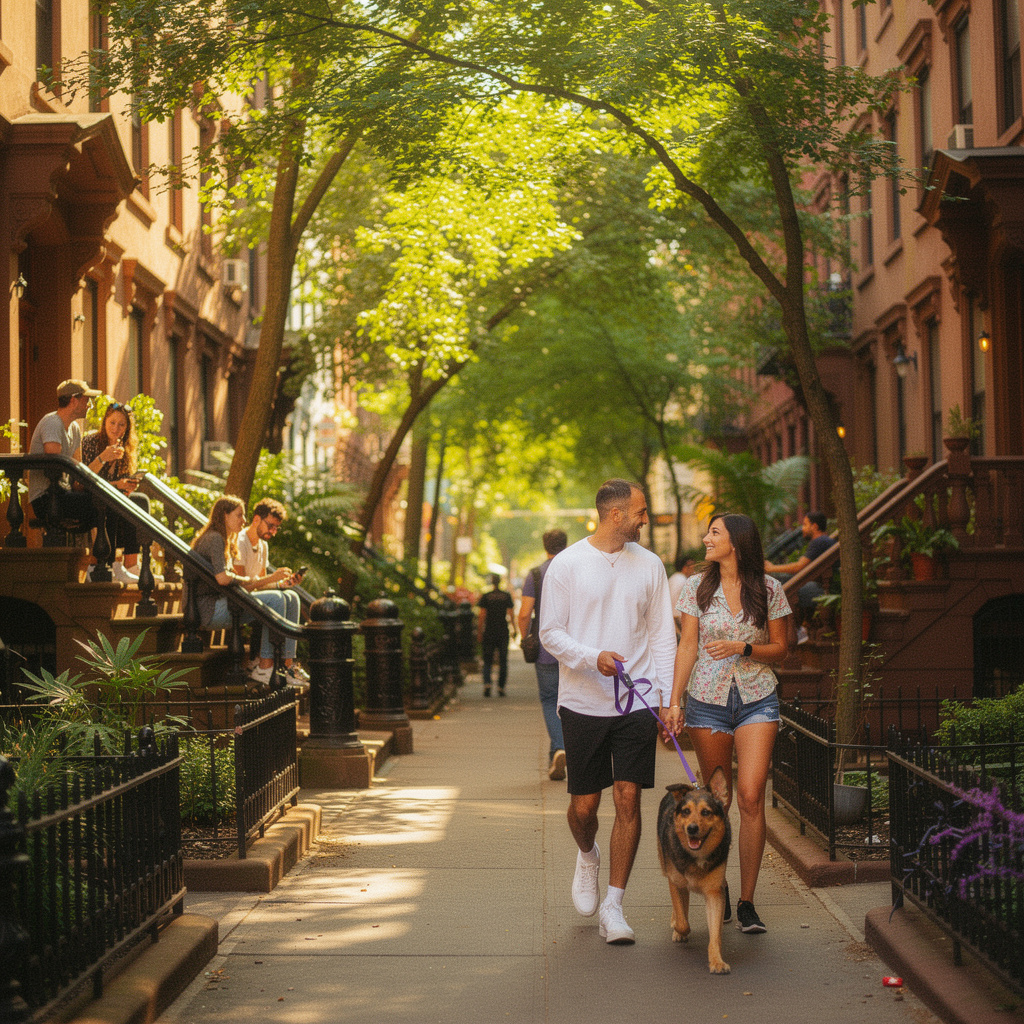
Three years ago, buying weed in New York City meant a text to a guy who knew a guy, a handoff in a park, or a trip to one of the hundreds of unlicensed smoke shops that operated in plain sight. Today, you can walk into a designed, curated, licensed dispensary in your own neighborhood, have a real conversation about terpenes and dosing with a trained professional, and leave with a product that has been lab-tested and tracked from seed to shelf. The shift is not just legal. It is cultural. And for a city that has always set the pace for how the rest of the country thinks about everything from food to fashion to nightlife, legal pot has become something nobody predicted – a new layer of neighborhood identity.
From Underground to Mainstream Without Losing the Edge
The biggest risk of legalization was always homogenization. When something moves from the underground to the regulated market, there is a real danger of stripping away everything that made it interesting. Chain-store weed. Corporate pot. The Starbucks-ification of a culture that was built on authenticity, risk, and community.
New York mostly avoided that trap, and the credit goes to the city’s buyers as much as its operators. NYC consumers are ruthlessly discerning. They do not tolerate generic experiences in their restaurants, their bars, or their coffee shops, and they brought that same standard to dispensaries.
The weed shops that have thrived in this city are the ones that understood a fundamental truth – New Yorkers are not just buying a product. They are choosing a vibe. The dispensary you go to says something about you, the same way the neighborhood you live in or the dive bar you frequent does.
The Flowery understood this from the start. Instead of stamping out a single template across every location, they built 12 dispensaries that reflect the character of the neighborhoods they serve. The SoHo shop feels different from the East Village location, which feels different from the Bronx spot. That is not just interior design. That is cultural intelligence.
The Dispensary as Community Hub
Something unexpected happened as legal weed shops planted roots in NYC neighborhoods. They became gathering points. Not in the way bars or clubs are gathering points, but in a quieter, more organic way.
Dispensaries host events. They sponsor local artists. They partner with neighborhood organizations. They become the kind of place where regulars know the staff by name and new customers get genuine recommendations instead of upsells. In a city where independent businesses are constantly losing ground to chains, the neighborhood dispensary has become a surprisingly resilient addition to the local ecosystem.
This community function is not an accident. New York’s social equity licensing program was specifically designed to ensure that the legal weed market included operators from the communities most harmed by prohibition. The result is a dispensary landscape that is more diverse in ownership and culture than almost any other retail category in the city.
For creatives especially, dispensaries have filled a gap that has existed since the pandemic hollowed out so many third spaces. They are somewhere to go that is not work, not home, and not a bar. You can walk into The Flowery’s West Village dispensary, browse the shop menu, talk to someone about what pairs well with a painting session or a long studio night, and leave with something tailored to your creative process.
Art, Music, and Weed: The Creative Intersection
The relationship between weed and creative culture in New York did not start with legalization – obviously. But legalization gave it permission to be visible, intentional, and collaborative in ways that were not possible when the entire relationship existed in a legal gray area.
Gallery openings now feature pot-friendly elements without pretending they do not. Musicians talk openly about how specific strains influence their process. Designers, photographers, writers, and filmmakers integrate weed into their routines without the performative secrecy that used to come with it.
This visibility has created a feedback loop. As more creatives are open about their relationship with pot, more products are being designed with creative use in mind. Strains selected for their cerebral effects. Low-dose edibles designed for functional microdosing during work hours. Vaporizers that let you take a single precise hit between sessions without the commitment of smoking a full joint.
The creative community in NYC has always been a driver of cultural trends, and its embrace of legal weed is accelerating the normalization of pot across demographics that the traditional stoner stereotype never reached – professionals in their 30s, parents in their 40s, retirees exploring something they avoided for decades.
How Each Neighborhood Developed Its Own Weed Identity
One of the most fascinating developments in NYC’s legal pot landscape is how different neighborhoods have developed distinct dispensary cultures, reflecting the same neighborhood identities that define everything else about the city.
| Neighborhood | Dispensary Vibe | Who Shops There | Cultural Flavor |
|---|---|---|---|
| SoHo | Gallery-sleek, curated | Design-conscious buyers | Art world adjacent |
| East Village | Eclectic, exploratory | Musicians, creatives, students | Discovery-driven |
| Brooklyn | No-nonsense, local-first | Regulars, community-rooted buyers | Neighborhood loyalty |
| Chinatown | Accessible, diverse | Mixed-age, multicultural shoppers | Bridge-building |
| West Village | Elevated, intentional | Writers, professionals | Thoughtful consumption |
| Upper West Side | Warm, knowledgeable | Families, established professionals | Wellness-oriented |
This is not The Flowery telling each neighborhood how to relate to pot. It is each neighborhood telling The Flowery what they want, and the dispensary adapting accordingly. The Chinatown location serves a different demographic mix than the Queens dispensary, and the product emphasis, the staffing, and the overall experience reflect those differences.
On Reddit’s r/NYCTrees, you can watch this neighborhood identity play out in real time. Regulars debate which location has the best selection, which staff gives the best recommendations, and which neighborhood dispensary experience best matches their personality. It is the same conversation New Yorkers have been having about pizza, bagels, and bodegas for decades – just with a new category added.
Social Equity and Why It Actually Matters
Legal weed in New York was never supposed to be just about commerce. The MRTA included some of the most ambitious social equity provisions of any state legalization effort, recognizing that decades of prohibition disproportionately impacted Black and Latino communities while white consumers faced minimal consequences for the same behavior.
The social equity framework gave licensing priority to people from impacted communities, people with past convictions for offenses that are now legal, and minority- and women-owned businesses. It was designed to ensure that the people who paid the highest price for prohibition would have a meaningful stake in the legal market.
Has it worked perfectly? No. Bureaucratic delays, high startup costs, and competition from well-funded corporate operators have made the path harder than the legislation intended. But the impact is real and visible. New York’s dispensary landscape includes operators who bring genuine community ties, cultural understanding, and lived experience to their businesses in ways that no corporate chain can replicate.
The Drug Policy Alliance tracks social equity progress across all legal states, and New York’s program, despite its growing pains, remains one of the most comprehensive in the country. For consumers who care about where their money goes, choosing a dispensary that reflects your values is as much a part of the culture as choosing the right strain.
What Comes Next for NYC Weed Culture
The pot market in New York is still young. The legal framework continues evolving, new licenses are being issued, and consumer behavior is shifting as more people make their first legal purchases.
Several trends are shaping where things go from here.
Consumption lounges are beginning to open, creating legal spaces where people can consume on-site. These lounges have the potential to become the next evolution of the dispensary-as-gathering-place concept – somewhere between a coffee shop and a bar, designed specifically for the social weed experience.
Weed tourism is growing as visitors from states where pot remains illegal come to New York specifically to experience the legal market. The delivery infrastructure makes it easy for tourists staying in hotels to order without needing to find a dispensary in person.
Product sophistication continues to increase. Early legal markets tend to be flower-dominant, but New York is rapidly expanding into concentrates, specialty edibles, and innovative formats that give consumers more choices than ever.
Brand identity is maturing. New York-specific weed brands are developing the kind of loyal followings that craft breweries built a decade ago. Consumers are developing preferences not just for strains but for the companies behind them, and brands carried at shops like The Flowery are building genuine cultural cachet.
Questions About NYC’s Weed Culture Shift
Is it socially acceptable to talk about using weed in NYC now?
Broadly yes. The stigma has dropped dramatically since legalization. Most social and professional circles in NYC treat pot use the same way they treat alcohol – acceptable in moderation, personal choice, not remarkable enough to comment on.
Can I visit a dispensary just to look around without buying?
Absolutely. Licensed dispensaries welcome browsers. Staff are happy to answer questions and educate without any purchase pressure. It is a legitimate way to learn before you buy.
Are there weed-friendly events in NYC?
Yes and growing. Art shows, music events, comedy nights, and wellness workshops with pot-friendly elements are becoming more common. Check community boards and r/weed for listings.
How has legalization affected weed prices in NYC?
Legal prices have dropped as the market has matured and competition has increased. An eighth of quality flower now runs $30 to $55 at most licensed dispensaries, down from the early days of legal sales when limited supply pushed prices higher.
Do dispensaries hire from the local community?
Many do, and social equity licensees are particularly likely to prioritize local hiring. Budtender and retail positions at NYC dispensaries tend to draw from the surrounding neighborhoods.
What happened to the unlicensed smoke shops?
Enforcement has increased significantly. The OCM and local authorities have shut down hundreds of unlicensed operators, though some remain. The legal market’s growth has also drawn customers away from unlicensed sellers as quality, safety, and variety improve.
Is New York’s weed market really different from other legal states?
Yes. The social equity focus, the neighborhood-driven dispensary culture, and the sheer diversity of the consumer base make New York unique. Other states legalized first, but no other market reflects its city’s culture the way New York’s does.
A City That Was Always Ready for This
New York did not become a weed city when the MRTA passed. It was always a weed city. Legalization just gave the culture permission to exist openly, to build real businesses, and to contribute to neighborhoods instead of operating in their shadows. The dispensaries that are thriving here – The Flowery among them – are the ones that recognized this from day one. They did not try to create a weed culture in New York. They joined the one that was already here and gave it a proper home.