Guide Convenience Access 55 Plus Silver Consumer
Cannabis is becoming mainstream for older adults seeking pain relief, better sleep, and quality of life improvements. The Flowery makes access simple:…
04/08/2026|Tejas Patil
More adults over 55 are turning to legal pot for chronic pain than at any point in New York’s history. Whether it is arthritis, neuropathy, back pain, or post-surgical discomfort, the legal market now offers products specifically designed for targeted relief without the intensity that might put off a cautious first-timer. This guide walks through what works, what to watch out for, and how to get started safely.
The numbers tell a clear story. According to the National Institute on Drug Abuse, adults over 55 represent one of the fastest-growing demographics in legal pot markets nationwide. In New York specifically, dispensary operators report steady increases in customers over 55 since recreational sales launched.
The reasons are practical, not cultural. Many seniors have spent years cycling through NSAIDs, opioids, and other pharmaceuticals that come with their own side effects – stomach issues, dependency risks, liver strain, drowsiness. Pot offers an alternative pathway that can be calibrated to your specific pain level and tolerance.
Research from the Arthritis Foundation shows that CBD and THC interact with the body’s endocannabinoid system, which plays a role in regulating pain, inflammation, and immune response. While the research is still evolving, thousands of seniors in New York are already finding meaningful relief through legal, lab-tested products.
The key is approaching it methodically, not guessing your way through it.
Not every pot product is built for pain management. Some are designed for recreation, others for sleep, and some specifically for localized or systemic pain relief. Here is a breakdown of what works best for seniors dealing with chronic pain.
| Product Type | Best For | Onset Time | Duration | Key Advantage |
|---|---|---|---|---|
| Topicals (creams, balms) | Joint and muscle pain | 15-30 minutes | 2-4 hours | No psychoactive effects |
| Tinctures | Systemic pain, sleep | 15-45 minutes | 4-6 hours | Precise dosing with dropper |
| Low-dose edibles (2.5-5mg) | Widespread chronic pain | 45-90 minutes | 6-8 hours | Long-lasting, discreet |
| Vaporizers | Acute pain flare-ups | 1-5 minutes | 1-3 hours | Fast relief when needed |
| Capsules | Daily pain management | 30-60 minutes | 4-6 hours | Familiar pill format |
Topicals deserve special attention for seniors. A CBD or THC-infused balm applied directly to a sore knee or stiff shoulder delivers relief to that specific area without entering the bloodstream in significant amounts. You will not feel high, and you can use them alongside most medications. The Flowery carries topical options in its shop that staff can walk you through in detail.
Tinctures are the other standout. A measured dropper lets you control exactly how much THC or CBD you take, making it simple to start with a very low dose and increase gradually over days or weeks.
This is not a slogan. It is the single most important piece of advice for anyone over 55 trying pot for pain relief. Your body processes THC differently than someone in their twenties, and factors like metabolism, body weight, medications, and liver function all affect how you respond.
Start with 2.5mg of THC or less. That is half of a standard gummy serving. Wait at least two hours before taking more. With edibles especially, the onset is slow, and taking a second dose too soon is the most common mistake new users make.
Keep a simple journal for the first two weeks. Note the product, the dose, the time you took it, when you felt effects, and how your pain responded. This log becomes invaluable when talking to your doctor or when working with dispensary staff to refine your approach.
If 2.5mg does not produce noticeable relief after three or four sessions, increase to 5mg. Many seniors find their effective dose somewhere between 5mg and 15mg for edibles, or one to two drops of a low-potency tincture. The goal is not to get high. The goal is to manage pain with the minimum effective dose.
This conversation matters, and it is more straightforward than most people expect. Doctors in New York are increasingly familiar with pot as a pain management tool, especially given the state’s long-running medical program.
Bring specifics. Tell your doctor what type of pain you experience, what you have already tried, and that you are considering legal, lab-tested products from a licensed dispensary. Ask about potential interactions with your current medications – this is the most important clinical question.
Common medication interactions to discuss include blood thinners (warfarin especially), certain blood pressure medications, sedatives and sleep aids, and some antidepressants. THC and CBD can affect how your liver metabolizes other drugs, so your doctor needs the full picture.
The American Medical Association maintains updated guidance on cannabinoid-drug interactions. Your pharmacist is another excellent resource for checking specific medication combinations.
Do not skip this step. Even if your doctor is neutral or skeptical about pot, the medication interaction check alone makes the conversation worthwhile.
Walking into a dispensary for the first time when you are over 55 can feel like walking into a foreign country. The terminology is unfamiliar, the product variety is overwhelming, and nobody wants to feel like they are asking stupid questions. This is exactly where trained staff make the difference.
At The Flowery’s locations across NYC, staff members are trained to work with customers of all experience levels, including seniors who have never touched pot before. They can explain the difference between THC and CBD, recommend specific products for specific types of pain, and help you understand dosing before you make a purchase.
A good dispensary interaction for a senior pain patient looks like this: you describe your pain, your experience level, and any medications you take. The staff member recommends two or three products at appropriate potency levels, explains how to use each one, and suggests a starting dose. You leave with a clear plan, not a bag of mystery products.
The Flowery’s loyalty program also helps seniors who find a product that works. Once you know what relieves your pain, consistent purchasing through the program builds rewards that offset costs over time.
Not every product or method is appropriate for seniors managing chronic pain. A few clear boundaries will keep your experience safe and productive.
Avoid high-THC flower and concentrates when starting out. Products like live resin and high-potency concentrates are designed for experienced consumers with established tolerance. They can deliver 60-90% THC in a single hit, which is far too intense for someone exploring pain relief for the first time.
Avoid smoking as your primary method if you have respiratory issues. Vaporizers are a better inhalation option because they heat weed below combustion temperature, producing vapor instead of smoke. But if you have COPD, asthma, or other lung conditions, stick with edibles, tinctures, or topicals.
Avoid buying from unlicensed shops. This cannot be stressed enough for seniors. Unlicensed products are not lab-tested, and contaminated weed poses a greater risk to older adults with compromised immune systems or existing health conditions. Every product at a licensed dispensary like The Flowery has passed mandatory OCM testing.
Avoid mixing pot with alcohol, especially during your initial exploration. Both substances amplify each other’s effects, and the combination can cause dizziness, nausea, or dangerous drops in blood pressure.
Getting to a dispensary is not always easy when mobility is a factor. The Flowery offers weed delivery across NYC, bringing lab-tested products directly to your door. You can browse the full menu online, ask questions through the ordering platform, and have your purchase delivered the same day.
For seniors in neighborhoods like the Upper West Side, Chinatown, or the Bronx, there are also physical locations close enough to visit when you want that face-to-face staff interaction.
Is pot safe for people over 55 with chronic conditions?
For many adults over 55, pot is a viable pain management option, but safety depends on your specific health conditions and medications. Talk to your doctor before starting, especially if you take blood thinners, sedatives, or blood pressure medication. Start with low doses and lab-tested products from licensed dispensaries.
Will I get high if I use pot for pain relief?
That depends on the product and dose. Topicals produce no psychoactive effects at all. Low-dose edibles (2.5-5mg THC) and CBD-dominant tinctures provide pain relief with minimal or no high. The goal for pain management is finding the lowest effective dose, which for most seniors falls well below the threshold for strong psychoactive effects.
What is the best pot product for arthritis pain?
Topical creams and balms applied directly to affected joints are the most targeted option. For widespread arthritis pain, low-dose tinctures or edibles provide systemic relief. Many seniors use a combination – topicals for acute flare-ups in specific joints and a daily low-dose edible or tincture for baseline pain management.
How do I know what dose to start with?
Begin with 2.5mg of THC for edibles or one small drop of a low-potency tincture. Wait at least two hours before considering more. Increase by 2.5mg increments over several days until you find relief. Keep a simple log of dose, timing, and effects to dial in your personal sweet spot.
Can I use pot alongside my prescription medications?
Potentially, but you must check with your doctor or pharmacist first. THC and CBD can interact with certain medications by affecting liver enzyme activity. Blood thinners, some heart medications, and certain antidepressants are the most common interaction concerns. Never adjust prescription medications on your own.
Do I need a medical card to buy pot for pain in New York?
No. Any adult 21 or older can purchase recreational pot at OCM-licensed dispensaries in New York. A medical card may provide tax savings, but it is not required for access to the same lab-tested products available on the recreational side.
Will dispensary staff judge me for being older?
Absolutely not. Seniors are one of the fastest-growing customer groups at licensed NYC dispensaries. Staff at The Flowery are trained to work with customers of every age and experience level. Ask every question you have – that is exactly what they are there for.
Pain management after 55 is not about finding a miracle cure. It is about expanding your options with something that is legal, tested, and increasingly supported by research. The legal pot market in NYC gives you access to products your doctor can discuss, your dispensary staff can explain, and your own body can guide you toward. Start low, go slow, talk to your doctor, and let the staff at The Flowery help you find what actually works.
Cannabis is becoming mainstream for older adults seeking pain relief, better sleep, and quality of life improvements. The Flowery makes access simple:…
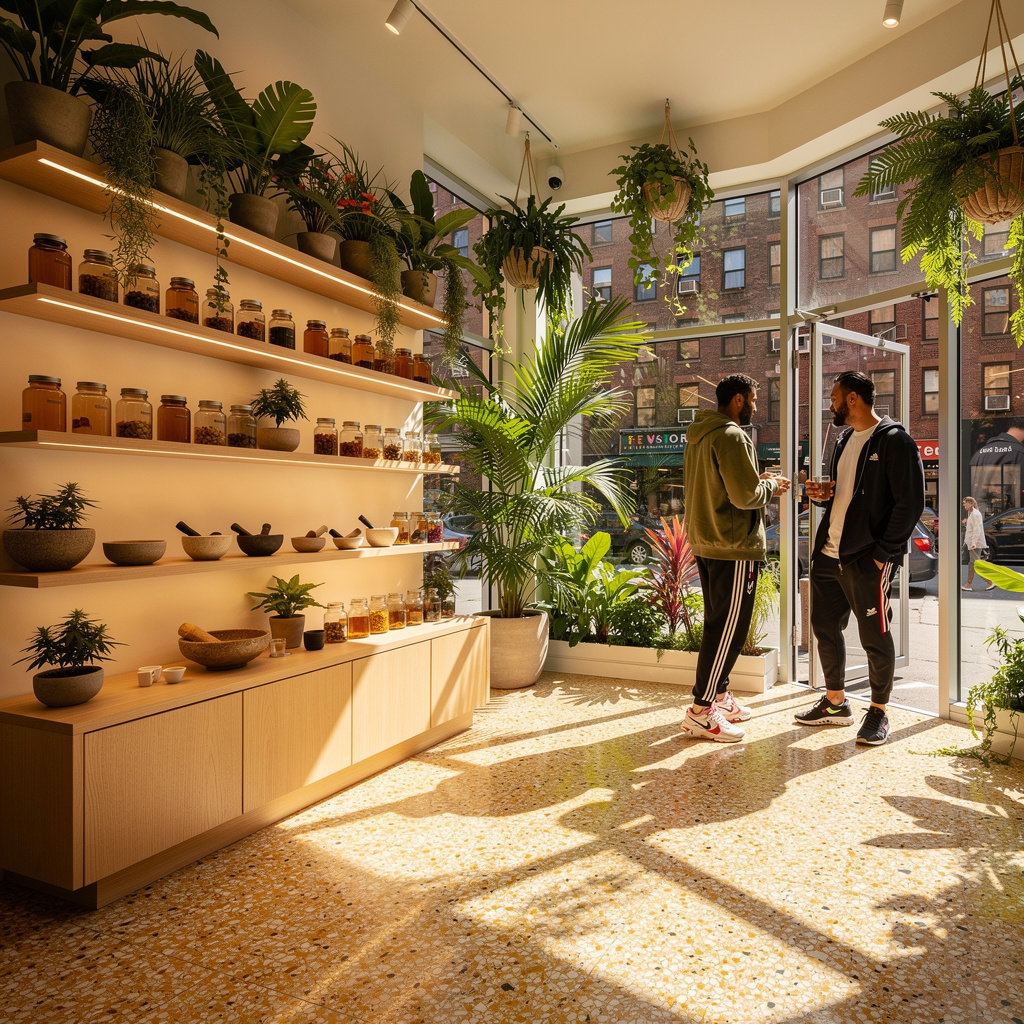
Seniors can shop for pot at any licensed NYC dispensary by bringing a valid photo ID proving they are 21 or older, visiting during quieter hours for m…

More Americans over 55 are trying weed than at any point in history, and for good reason. Whether you are looking for relief from chronic pain, better…